Materials & Metallurgical
What a hardness number can and cannot establish
Hardness is converted to strength and offered as proof a part was out of spec. The conversion standards and the published regressions both say the number will not carry that.

Electrical, Electronics & Batteries
UL 9540A is a test method, not a certification
No listing results from UL 9540A testing, and what “passing” means changed with the sixth edition. What the report characterizes, and what it cannot be read to say about a fire.
Polymers, Plastics & Composites
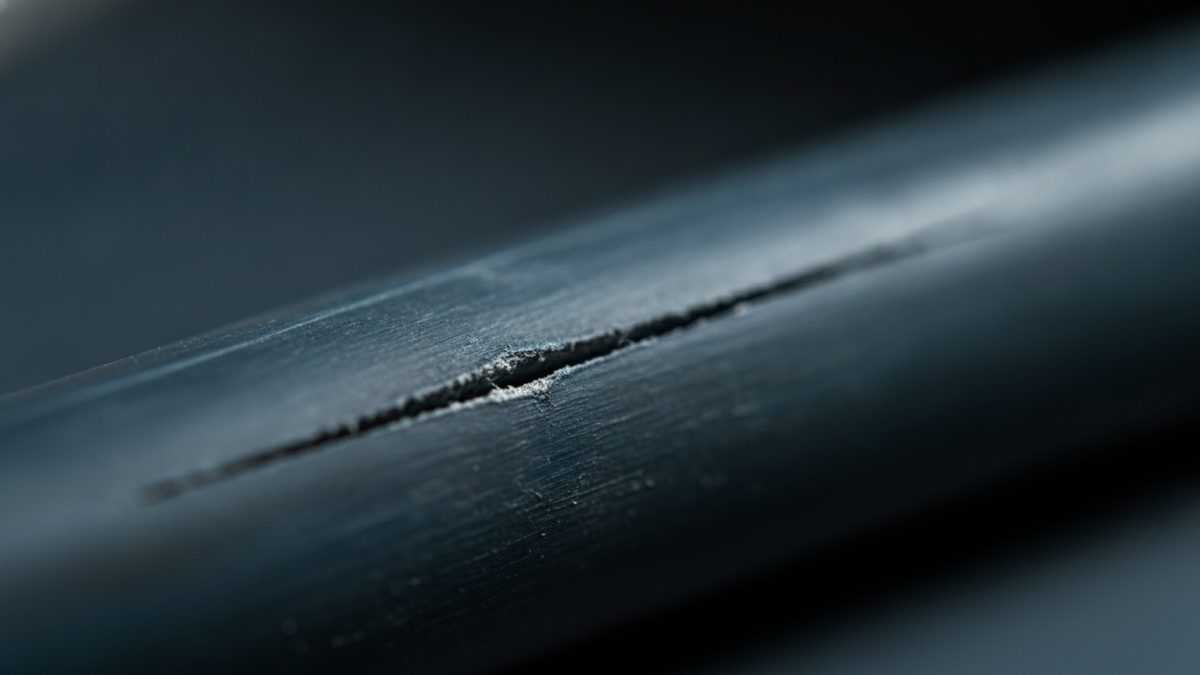
Slow crack growth: the pipe failure that needs no surge
A split in a polyethylene pipe is read as a pressure event far more often than the evidence supports. The brittle-like slit is a years-long mechanism, and it looks nothing like a burst.
Accident Reconstruction
Perception-response time is a distribution, not a number
The 2.5 second figure is a highway design criterion, not a measurement of any driver. What the research actually reports, and how the physical record can bound the interval instead.

Structural & Civil
Condition rating is not capacity: what each number proves
A bridge coded Poor and a bridge that cannot carry legal loads are two different findings from two different records. The federal rules keep them apart, and so should a record review.
Fire & Explosion
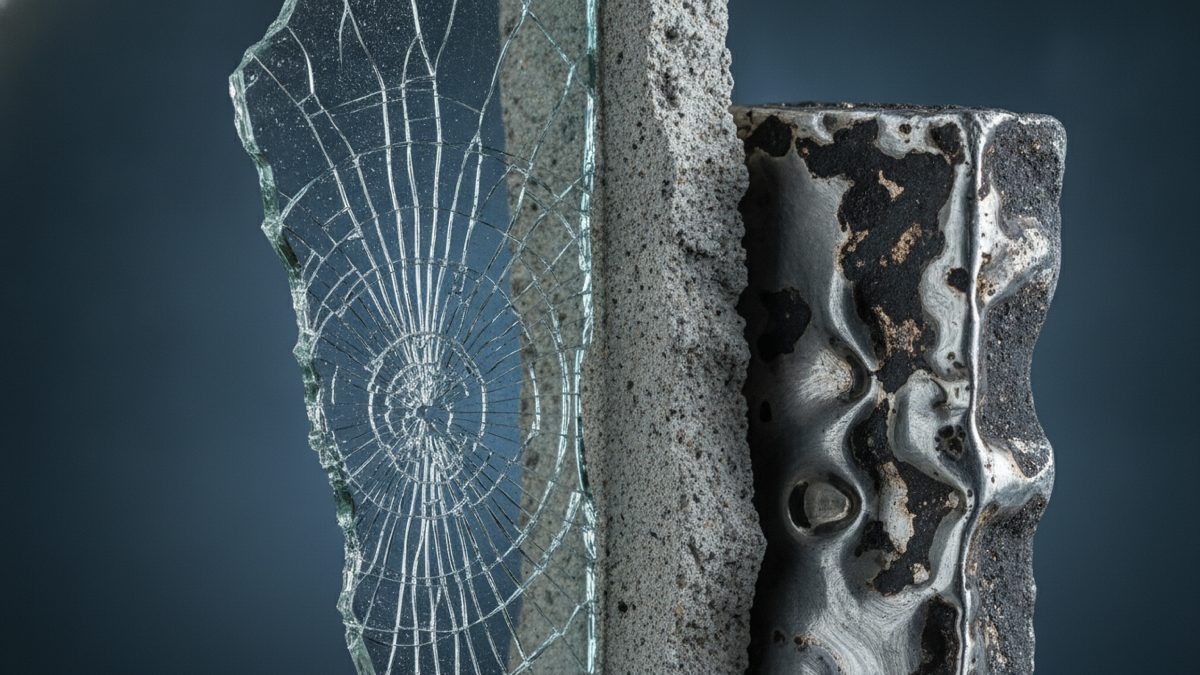
The burn indicators that did not survive testing
Crazed glass, spalled concrete and melted metal were once read as proof a fire burned hot and fast. When the field finally tested them, the inference did not hold.
Mechanical & Component
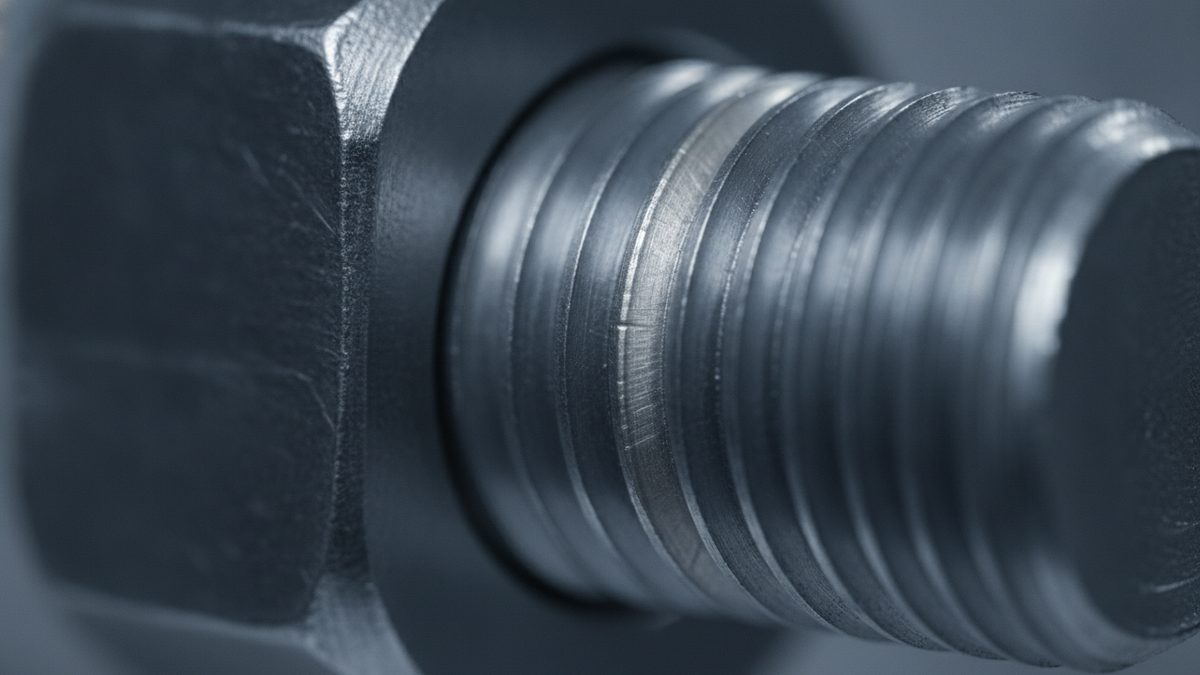
Why torque is a poor proxy for clamp force
Bolted joints are designed around preload, but installed with torque. The gap between the two is where design, installation and maintenance responsibility is usually decided.
Mechanical & Component
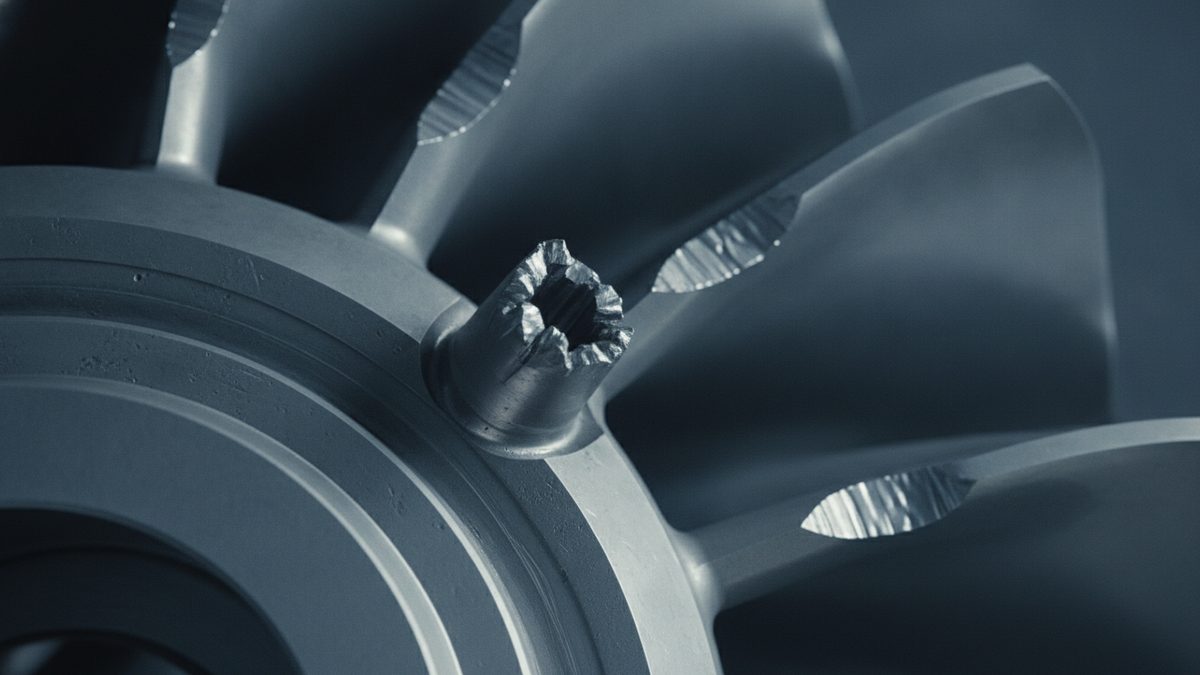
Which blade went first: reconstructing a liberation event
After a blade liberates, the worst-looking damage is almost never the origin. Identifying the first blade governs whether the event was a defect, an ingestion or an operating problem.
Polymers, Plastics & Composites
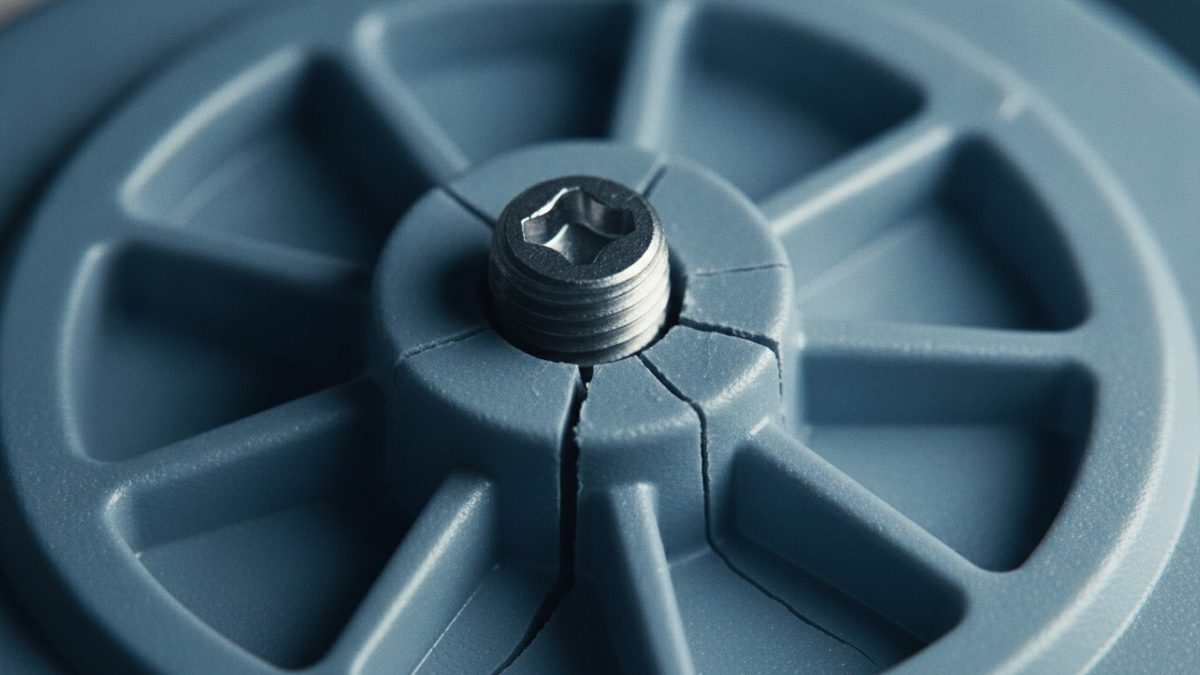
Where the stress came from in a stress-cracking failure
ESC cannot happen without sustained tensile stress, and that stress is often nowhere in the design load case. Molded-in stress, assembly stress and service load each leave a different trace.

Biomechanical & Medical Device
Where injury tolerance numbers actually come from
Tolerance criteria descend from cadaveric testing, sub-injurious volunteer work and statistical scaling. They describe a population under a defined loading condition, and no individual is that population.
Mechanical & Component
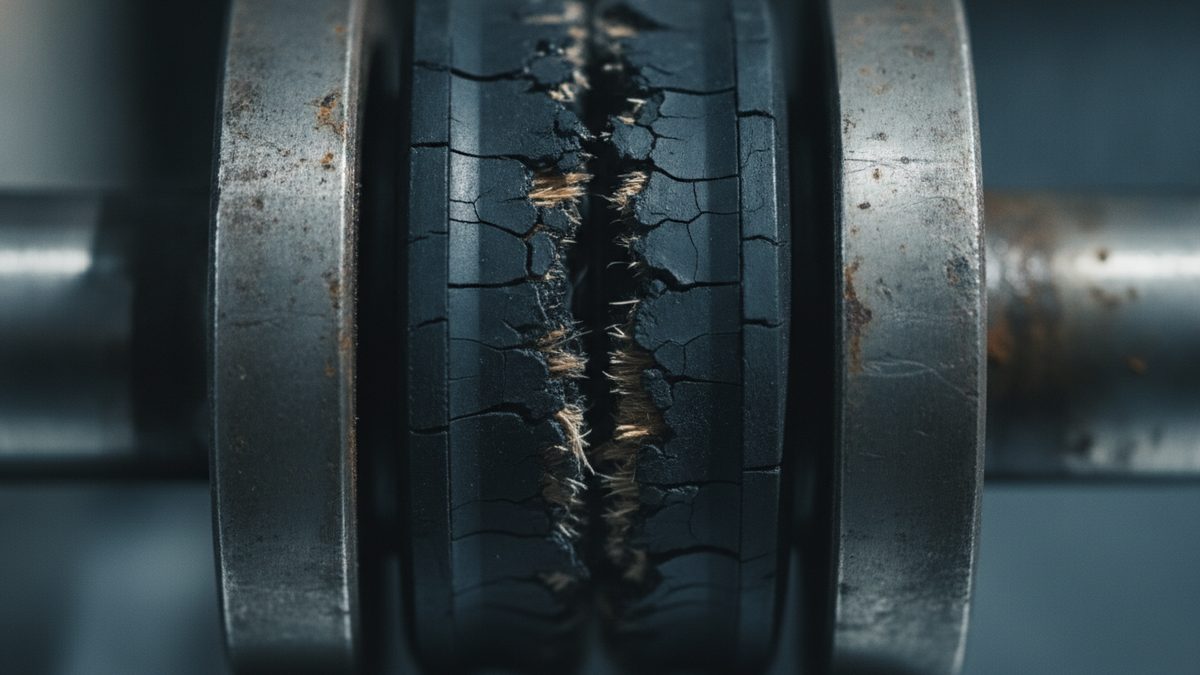
When the drivetrain, not the shaft, drove the failure
A shaft is loaded by everything attached to it. Misalignment, torsional vibration and resonance can drive cyclic stress far above what a steady-state calculation predicts.

Mechanical & Component
When the coating fails before the blade does
Hot corrosion, oxidation and erosion rarely break a blade themselves. They consume the coating and thin the section, and the fracture that follows gets recorded as the cause.
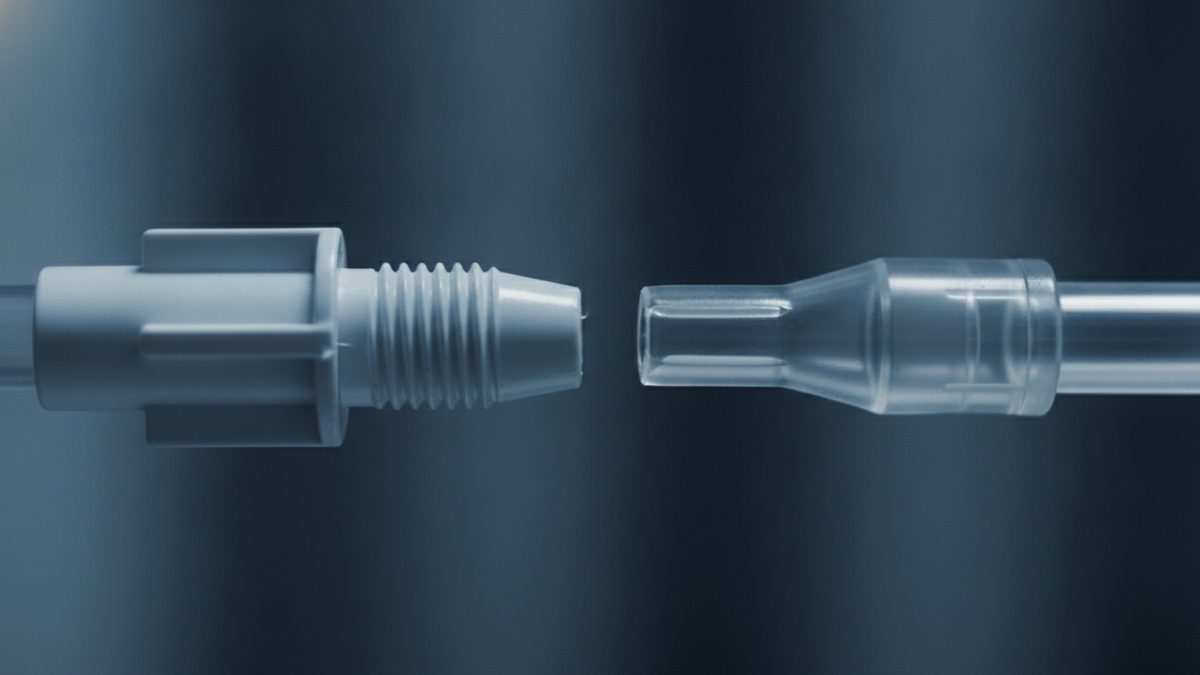
Biomechanical & Medical Device
When a wrong connection should be physically impossible
Small-bore connector standards were written so that incompatible routes cannot mate. Connector matters usually turn on which generation of hardware was in service and what the design record shows.
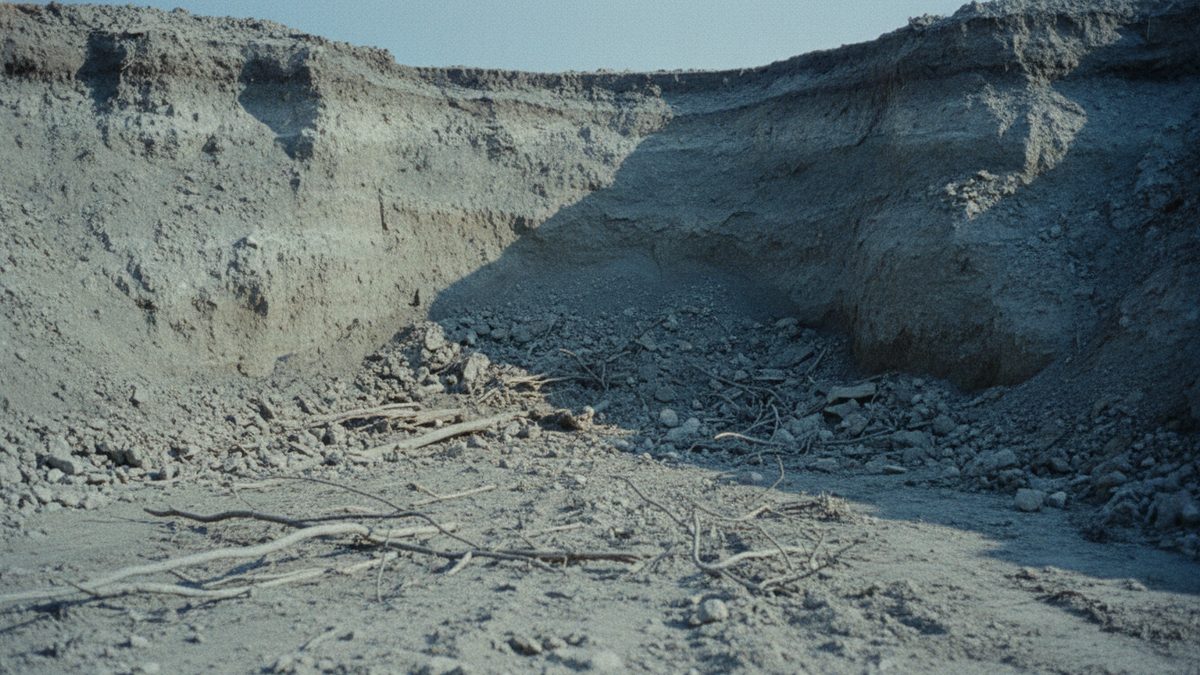
Geotechnical & Foundations
When a breach destroys its own initiation zone
The place where an embankment failure started is the first thing the breach flow carries away. Instrumentation records, inspection history, construction files and the surviving geometry have to carry the reconstruction.
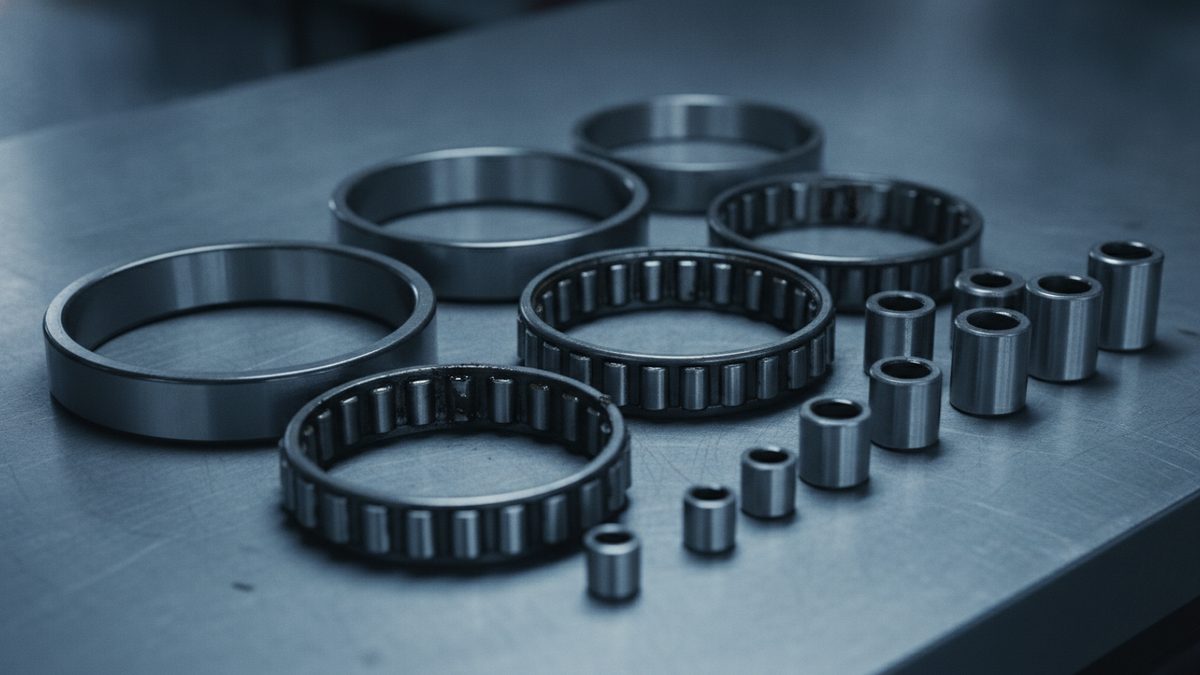
Mechanical & Component
What teardown destroys in a failed bearing
A failed bearing is a physical record of its own operating conditions. Solvent, a press and a rag remove most of that record in minutes, and no later examination recovers it.
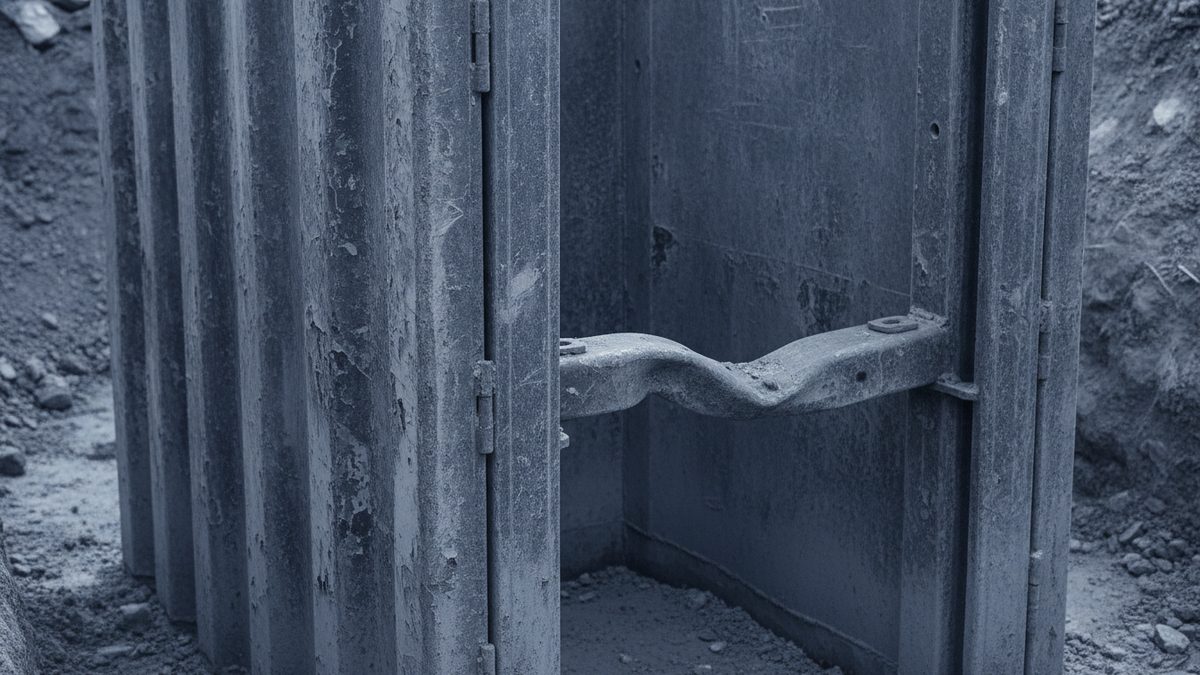
Geotechnical & Foundations
What survives after the trench is backfilled
Rescue and public safety mean a collapsed trench is usually gone within hours. What is left to reconstruct it: photographs, spoil and wall samples, the shoring hardware, and the day's records.

Accident Reconstruction
What restarting the line destroys
Controller memory, alarm history, lockout devices and the machine's as-found condition have a short half-life. A working protocol for the first shift after a plant-floor injury.
Mechanical & Component
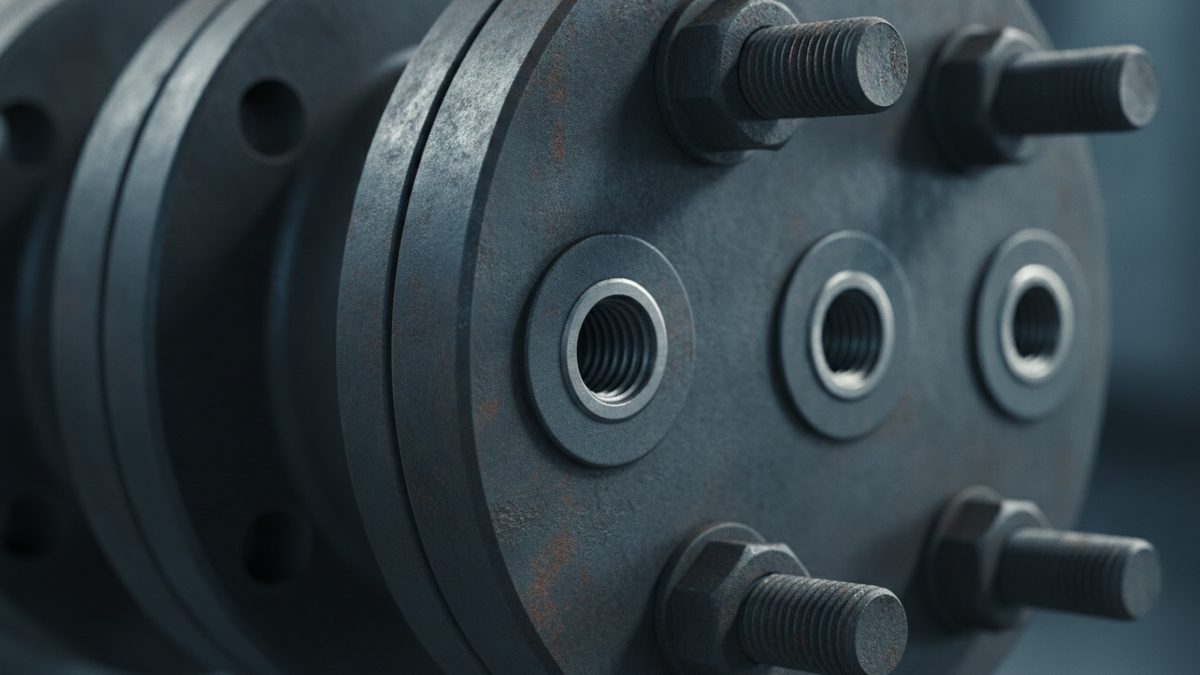
What disassembly destroys in a bolted joint
Residual torque, witness marks, corrosion product and fastener position are consumed within hours of a failure by ordinary recovery work. What preservation of a bolted joint actually requires.
Polymers, Plastics & Composites
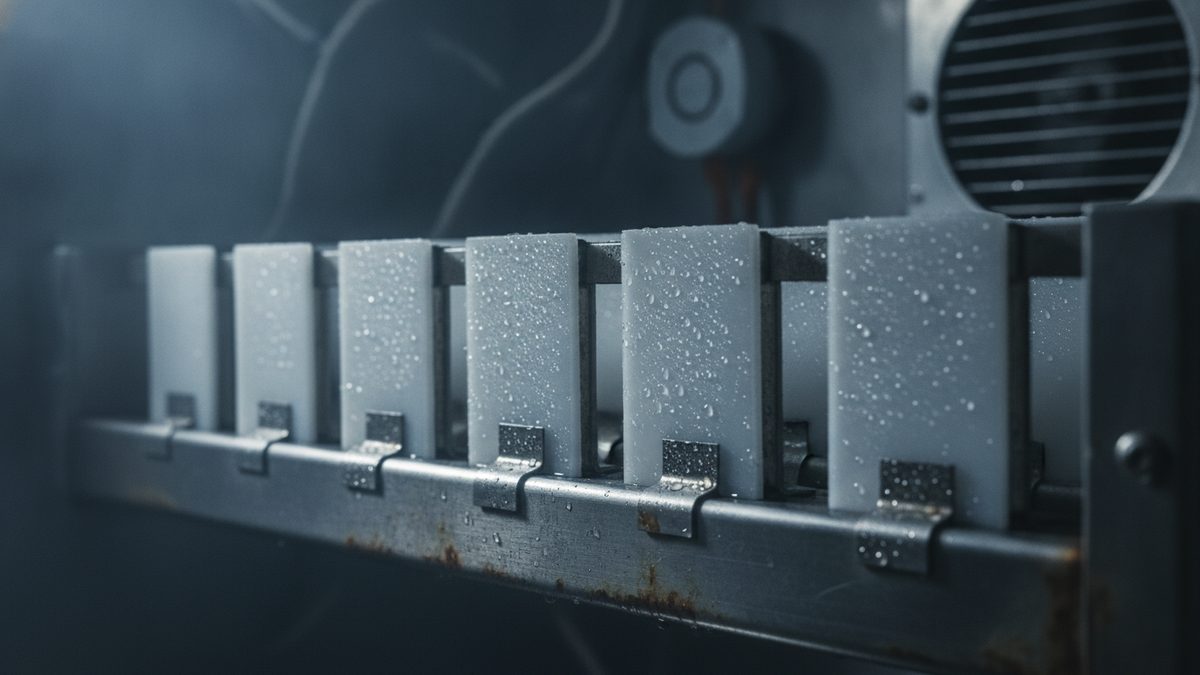
What accelerated weathering testing can and cannot predict
Laboratory weathering compresses years into weeks by intensifying specific stresses. It ranks materials and confirms mechanisms reliably; converting its hours into calendar years is where it gets misused.

Accident Reconstruction
Coefficient of friction is a measurement, not a property
A floor does not have a coefficient of friction the way it has a thickness. It has whatever an instrument reported, under one contaminant, with one test foot, on one day.
Accident Reconstruction
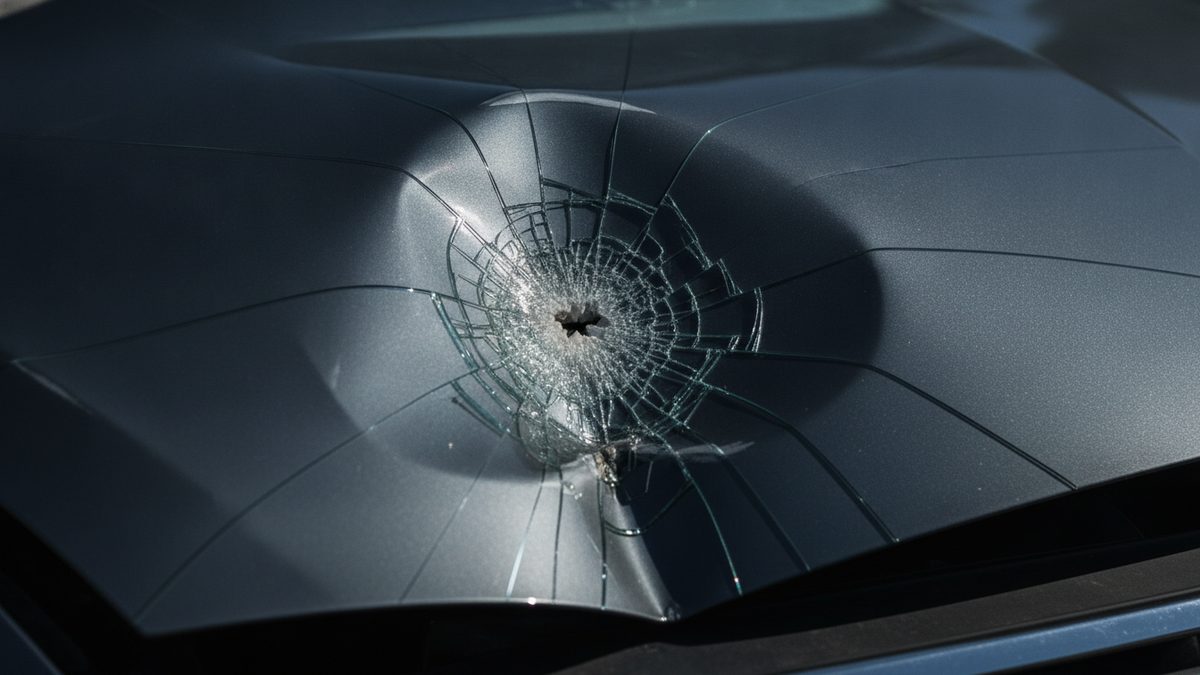
What a throw-distance speed estimate can and cannot carry
Throw-distance analysis produces a defensible speed range, not a number. The trajectory family, the friction path and the inferred impact point each move the answer, and each has to be stated.
Mechanical & Component
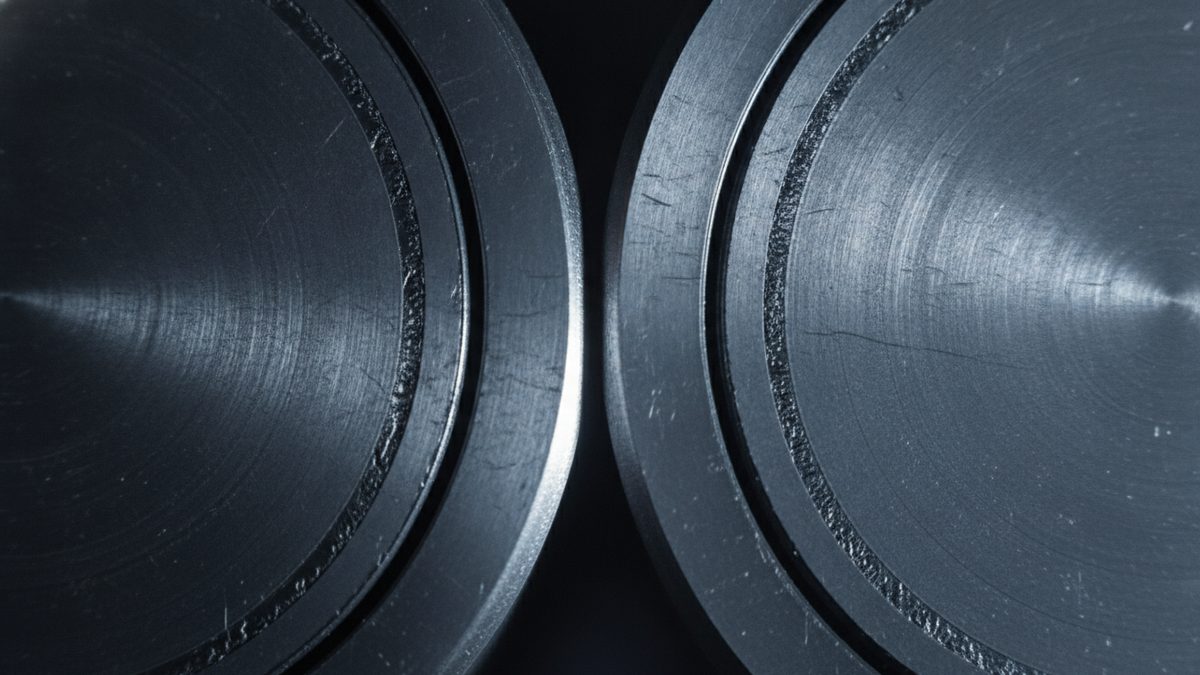
What a rebuild destroys in a failed pump or compressor
Most of what a rotating machine records about its own failure lives in relationships between parts, not in the parts themselves. Teardown, cleaning and rebuild erase them in that order.
Geotechnical & Foundations
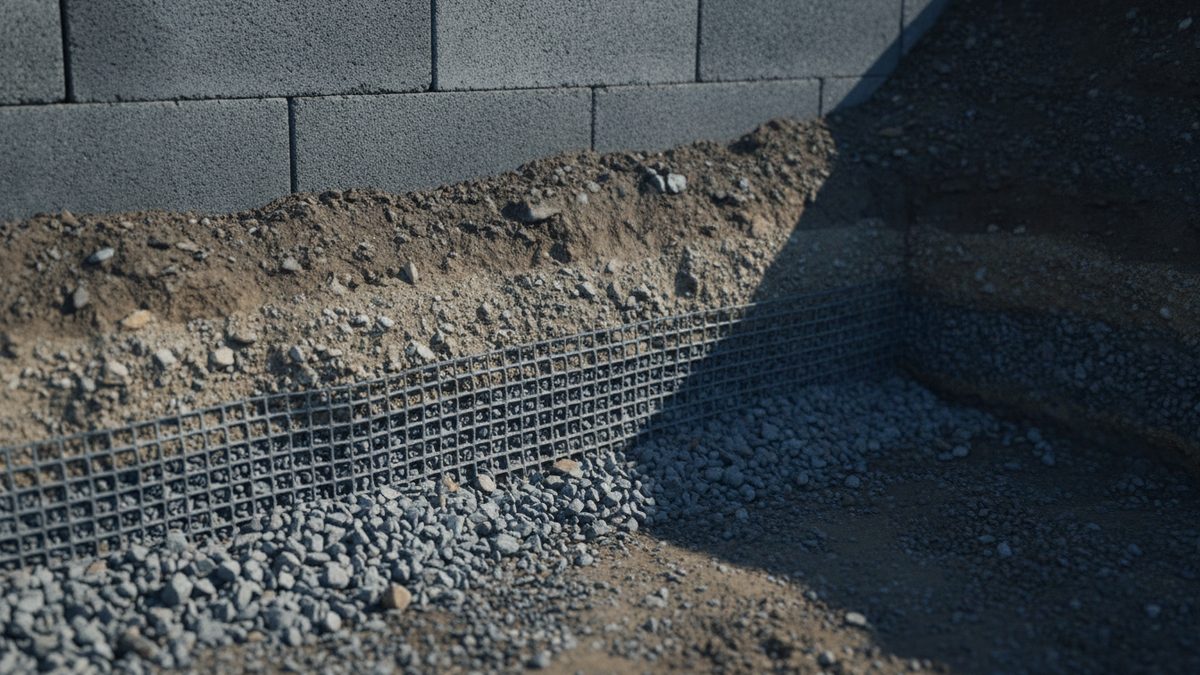
The as-built question behind most retaining-wall disputes
Backfill material, compaction, reinforcement length and spacing are invisible within days of construction. A controlled excavation of the reinforced zone is usually the most informative work done on site.
Polymers, Plastics & Composites
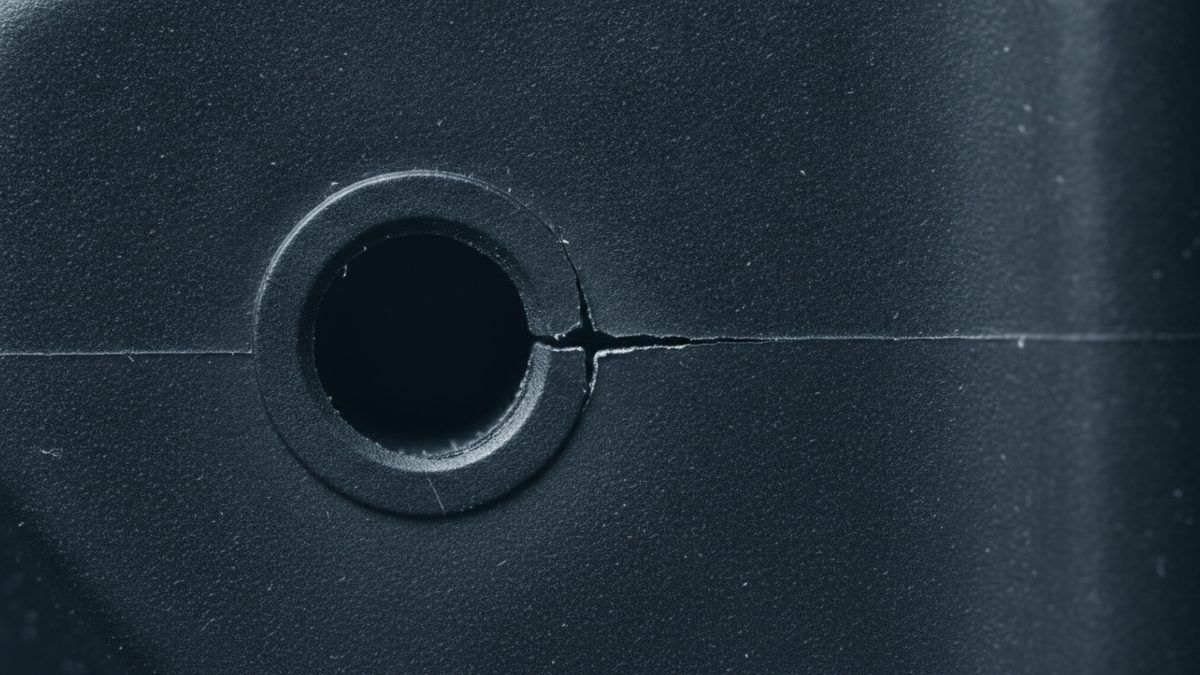
Weld lines: the plane a molded part was always going to break on
Where two melt fronts meet, the polymer never fully re-entangles. That plane is weaker than the material around it, its location is predictable, and it is a recurring source of field cracking.
Polymers, Plastics & Composites
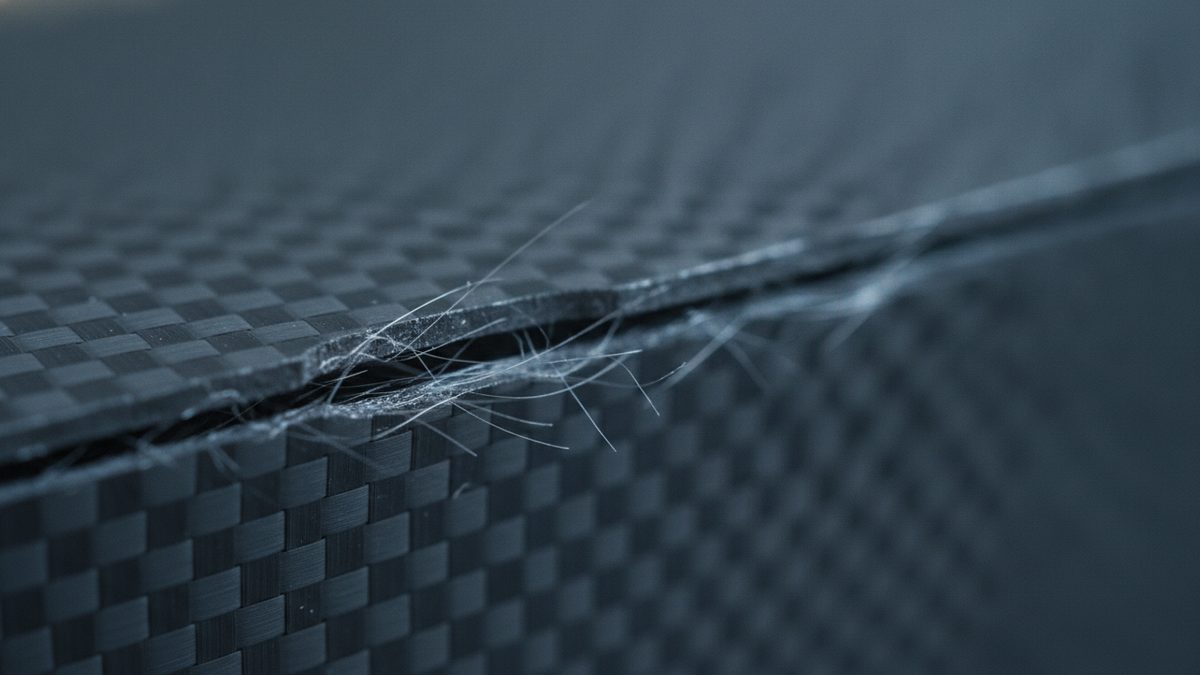
Was the delamination stable, or was it growing?
A flaw that sat unchanged for years and one that was propagating toward a critical size support very different conclusions. What fracture toughness testing and free-edge geometry establish about growth.

Mechanical & Component
Wall loss, cracking or overpressure: separating rupture modes
Thinning, subcritical crack growth and a pressure excursion all end in an open pressure boundary. They leave different evidence, and the distinction decides which records matter.

Biomechanical & Medical Device
Use error, device error, and what the design record anticipated
Calling a device event operator error settles nothing. Usability engineering treats a mistake at the interface as evidence about the design, and the manufacturer's own file records which mistakes were foreseen.

Accident Reconstruction
Trips and stairs are a geometry problem, not a traction problem
A trip is not a slip. Riser uniformity, nosings, handrail continuity and quarter-inch elevation changes are measurable long after any contaminant is gone, and they follow different rules.
Geotechnical & Foundations
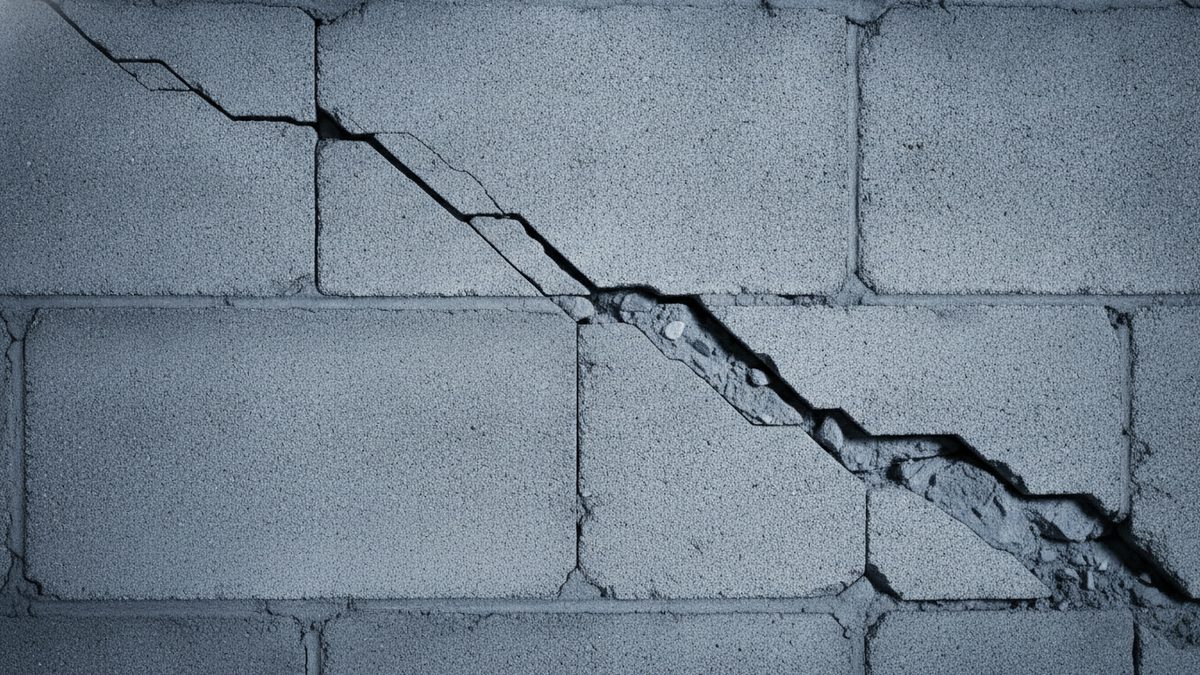
The settlement number everyone quotes is the wrong one
A building can settle several inches uniformly and show almost no distress. What damages a structure is the difference in movement between two points, divided by the distance between them.
Electrical, Electronics & Batteries
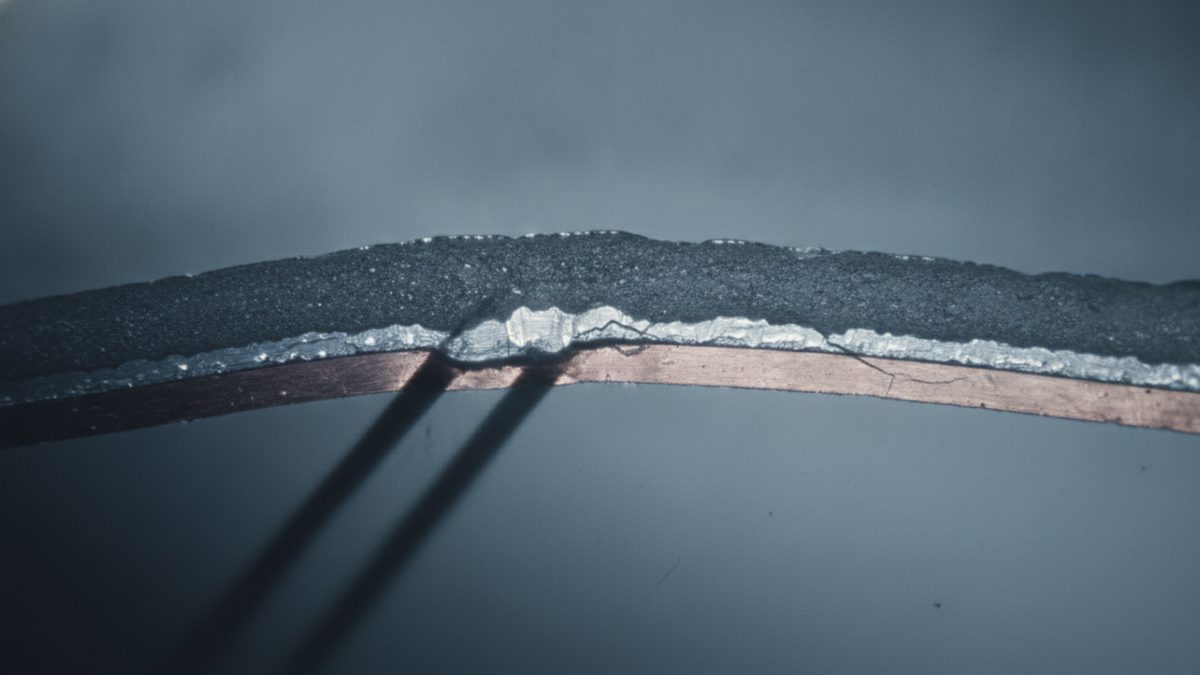
Thermal cycling, intermetallic growth and the joint that wears out
Solder joints have a fatigue life. Whether reaching it in service is a defect or an expected wear-out depends entirely on what the design assumed.
Structural & Civil
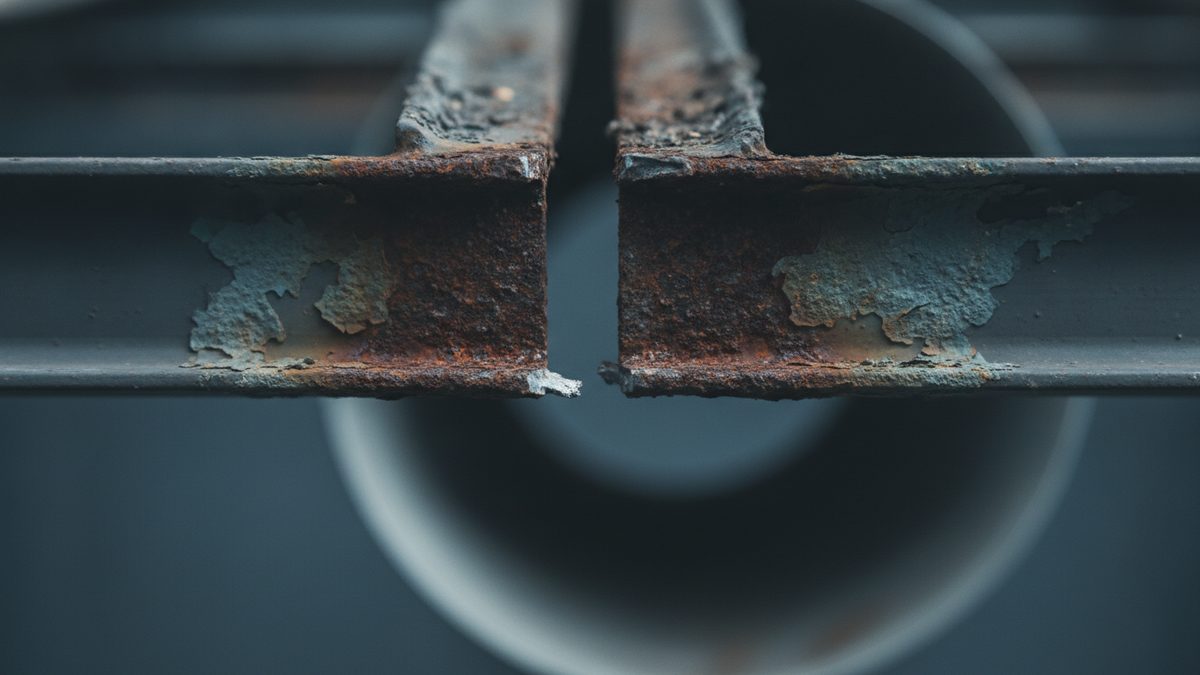
The roof that was modified: alterations and deferred maintenance
Many roof collapses involve structures that were adequate when built and were changed afterward — equipment added, members cut for ductwork, maintenance deferred until section loss became structural.
Polymers, Plastics & Composites
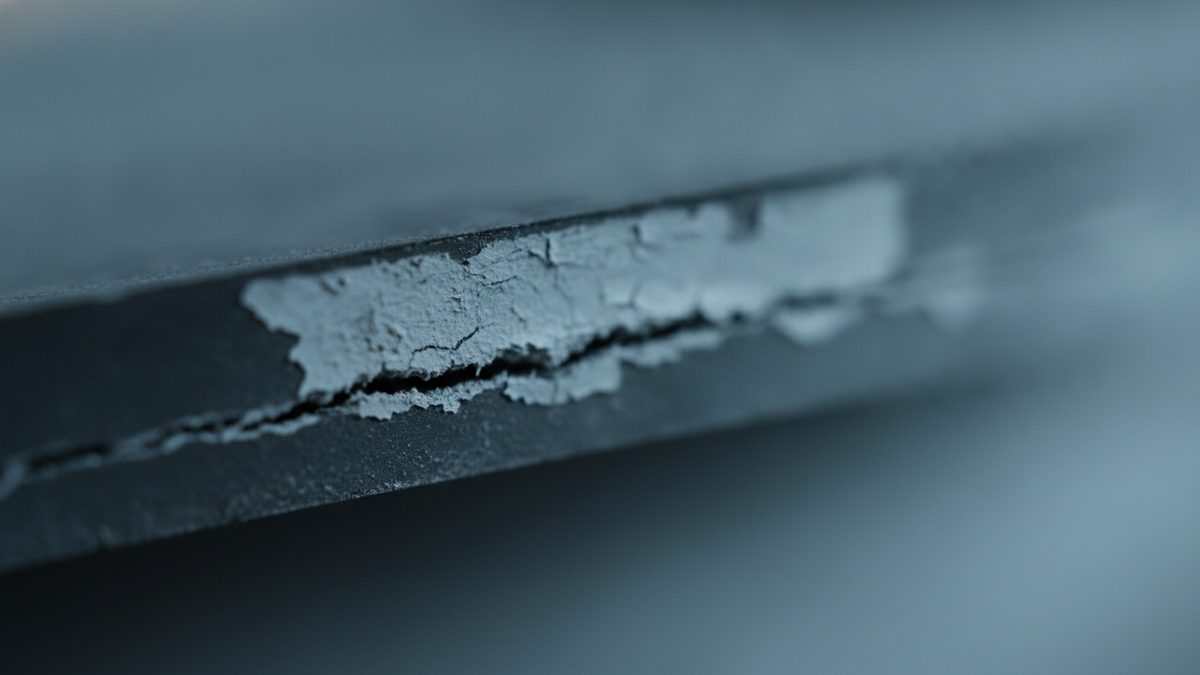
The carbonyl index and how far the degradation has gone
Photooxidation is measurable rather than merely visible. Depth-profiling oxidation from the exposed surface inward turns a faded, chalky part into a quantified degradation front.

Electrical, Electronics & Batteries
Terminations: workmanship, product defect, or the wrong metal
A failed termination points at an installer, a manufacturer or a materials decision made decades earlier. The joint itself usually says which.
Polymers, Plastics & Composites
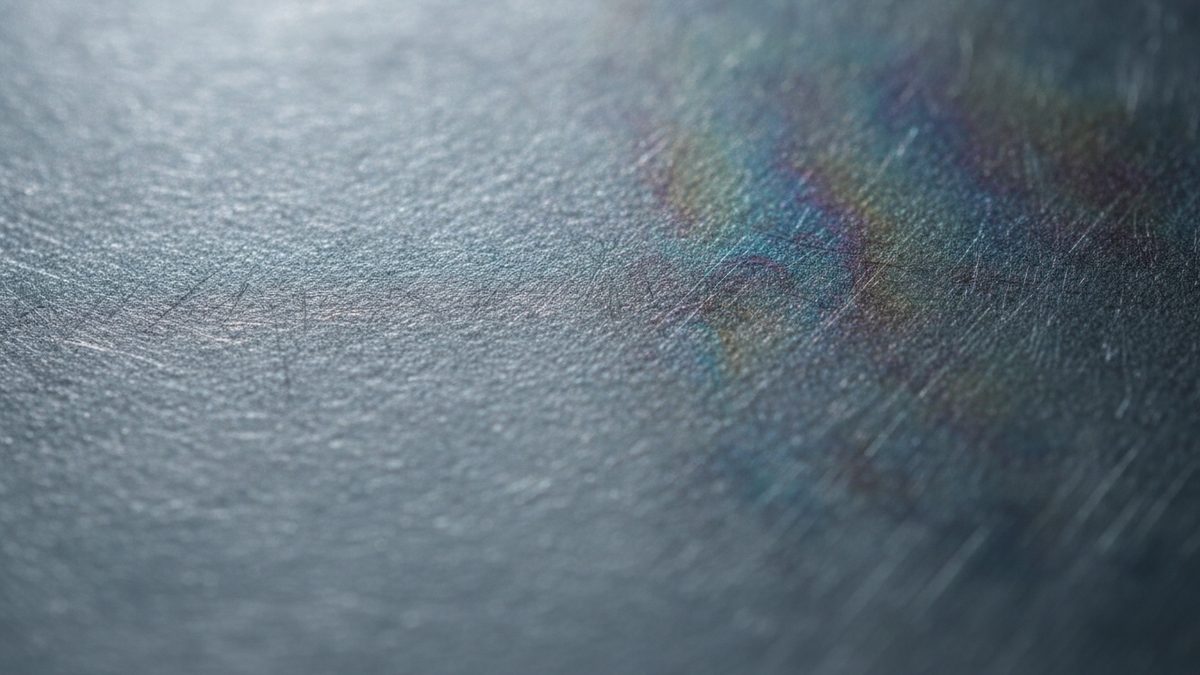
Surface preparation and the records that prove it happened
Surface preparation determines whether a bond achieves real adhesion, and it becomes invisible the moment the joint closes. What documentation, exemplars and contact-angle data can establish after the fact.
Geotechnical & Foundations
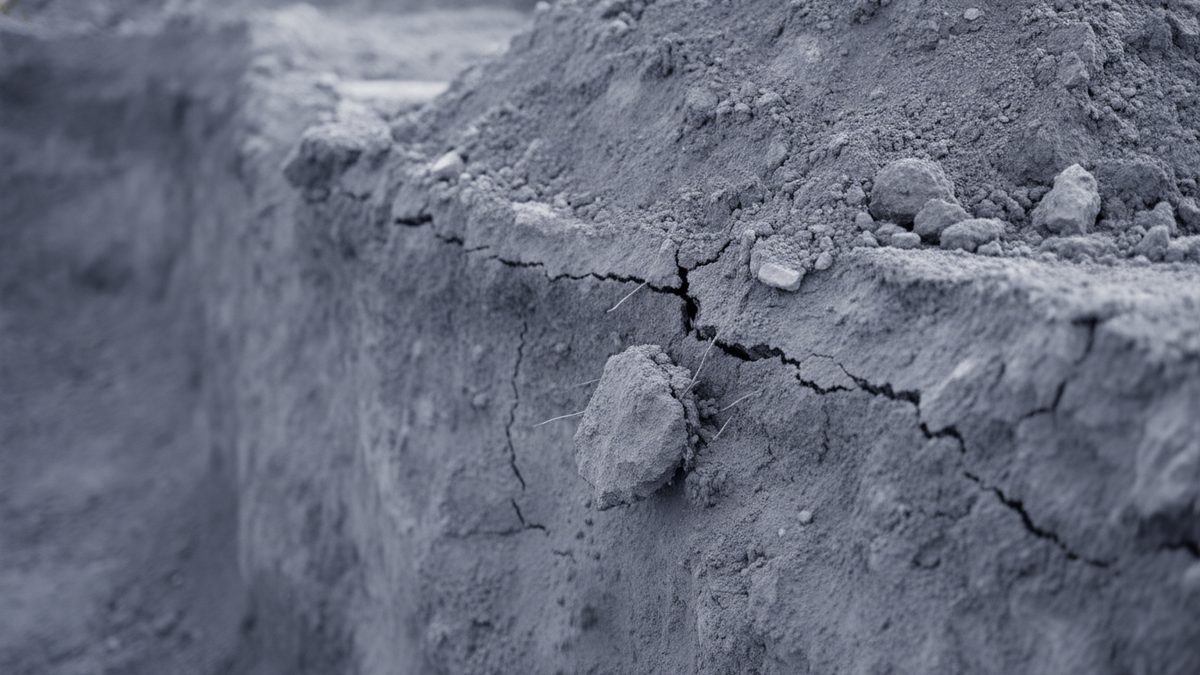
Surcharge, vibration and water: loads from outside the trench
A trench wall can fail without the soil in it being any weaker than assumed. Spoil, equipment, traffic vibration, seepage and adjacent excavation all add load the protective system never accounted for.

Accident Reconstruction
Stored energy, unexpected startup, and where attribution lands
Energy that was never isolated, came back, or was never recognized as energy at all. How the hierarchy of controls disciplines the argument between machine, procedure and training.
Geotechnical & Foundations
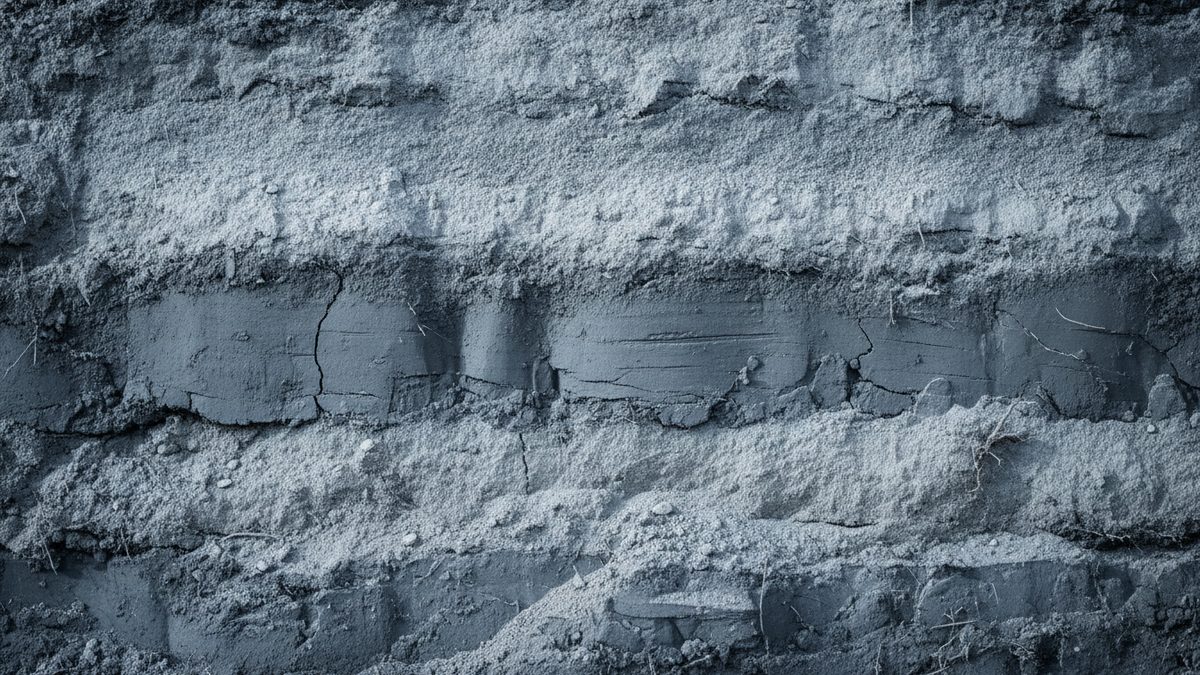
Soil classification governs everything downstream
Slope angle, shoring selection and shield rating all follow from one field judgment: what type of soil this is. How that class is set, and why it does not stay true for the life of the trench.
Structural & Civil
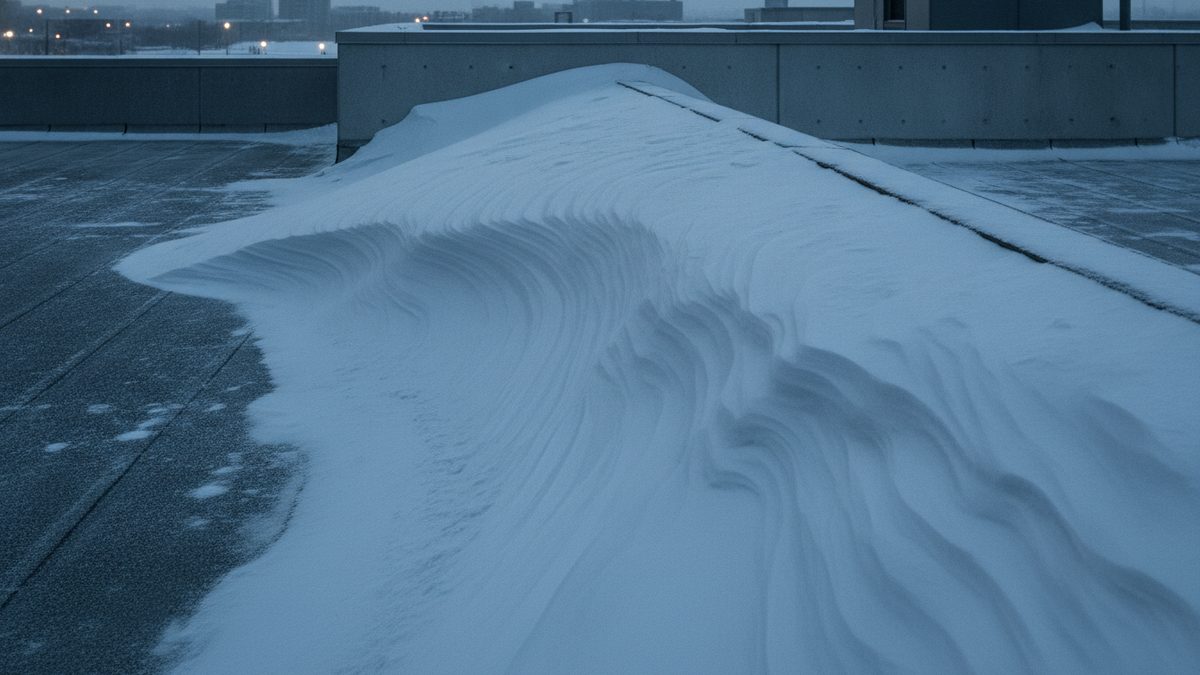
Snow drift is a geometry problem, not a weather problem
Most snow-related roof collapses occur in structures where the ground snow load was unremarkable. What concentrates the load is the shape of the roof, and drift provisions are frequently misapplied.
Biomechanical & Medical Device
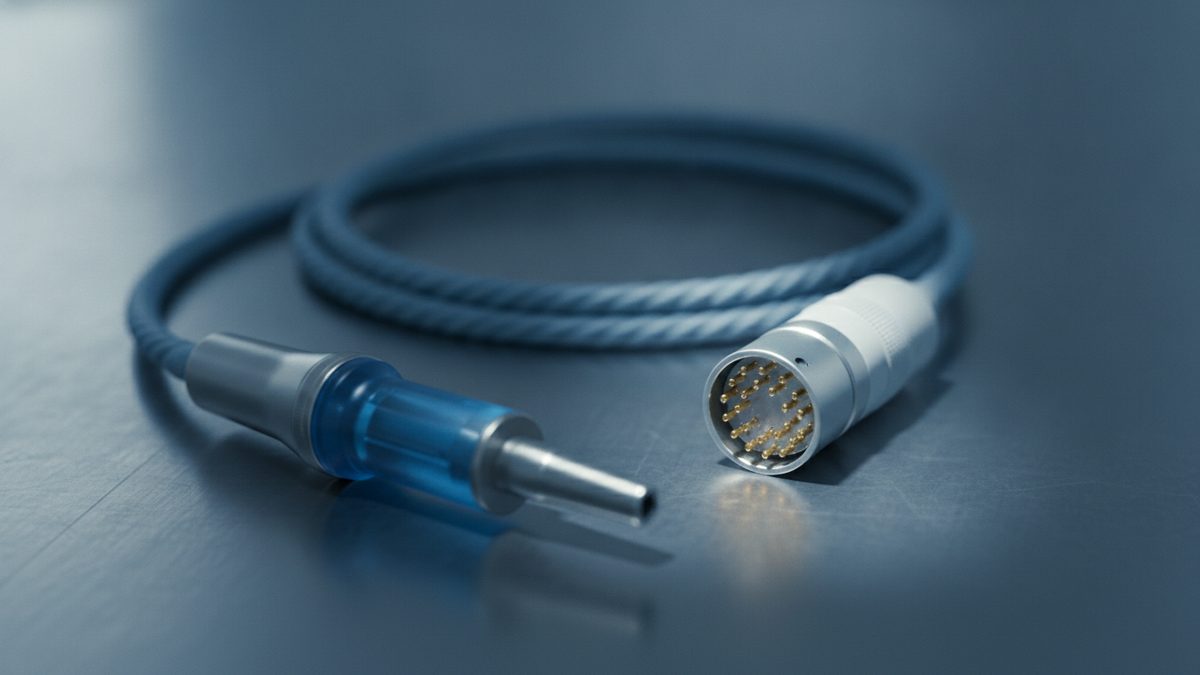
Silent degradation: when software, sensors and alarms fail quietly
The dangerous device failures announce nothing — a sensor drifting inside its displayed range, an alarm that never triggers, a software state nobody tested. What the design and surveillance records show.
Mechanical & Component
Should inspection have found it? Fitness-for-service and attribution
Every pressure boundary carries flaws. The contested question is whether the one that failed was detectable, measurable and acted on under the assessment and integrity frameworks that governed it.

Structural & Civil
Shoring and reshoring: when the slab below is not ready yet
A multi-story concrete frame under construction carries loads through slabs that have not reached full strength. Stripping too early transfers load to concrete that cannot take it.
Biomechanical & Medical Device
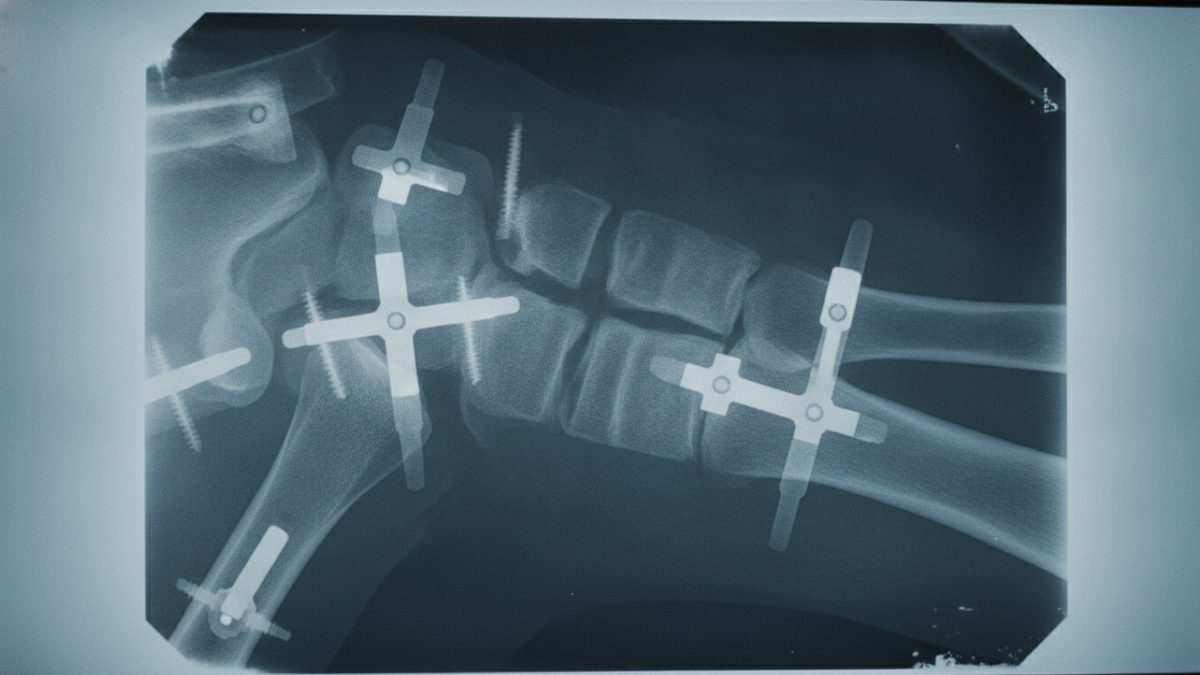
Serial radiographs and the explant: two records that decay differently
Follow-up imaging is a load history written in installments, and the removed hardware is the physical half of the same record. Operating-room routine destroys one of them within hours.
Structural & Civil
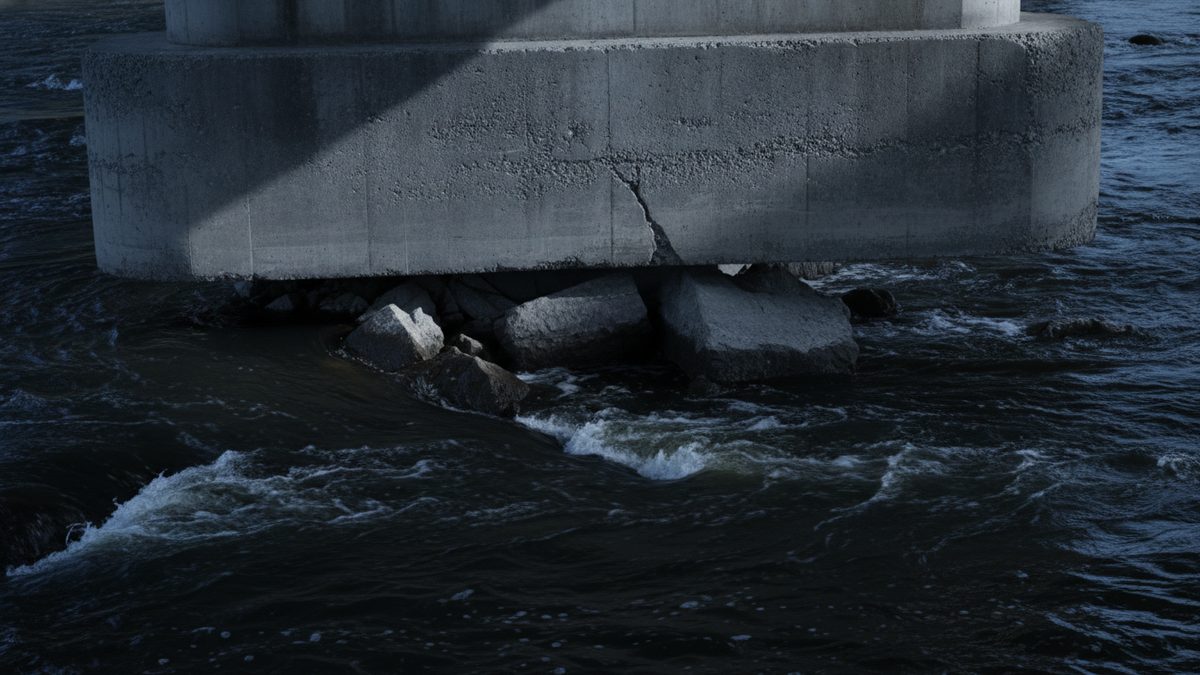
Scour: the bridge failure mode that happens underwater
Scour removes the material supporting a foundation during a flood and often refills the hole as the water recedes. The evidence is transient, which shapes how these investigations have to be run.

Polymers, Plastics & Composites
Reproducing stress cracking: what bent-strip testing proves
Reproducing a stress-cracking failure under controlled conditions is the most persuasive evidence available in these matters — provided the test conditions are defensible and the limits are stated.
Biomechanical & Medical Device
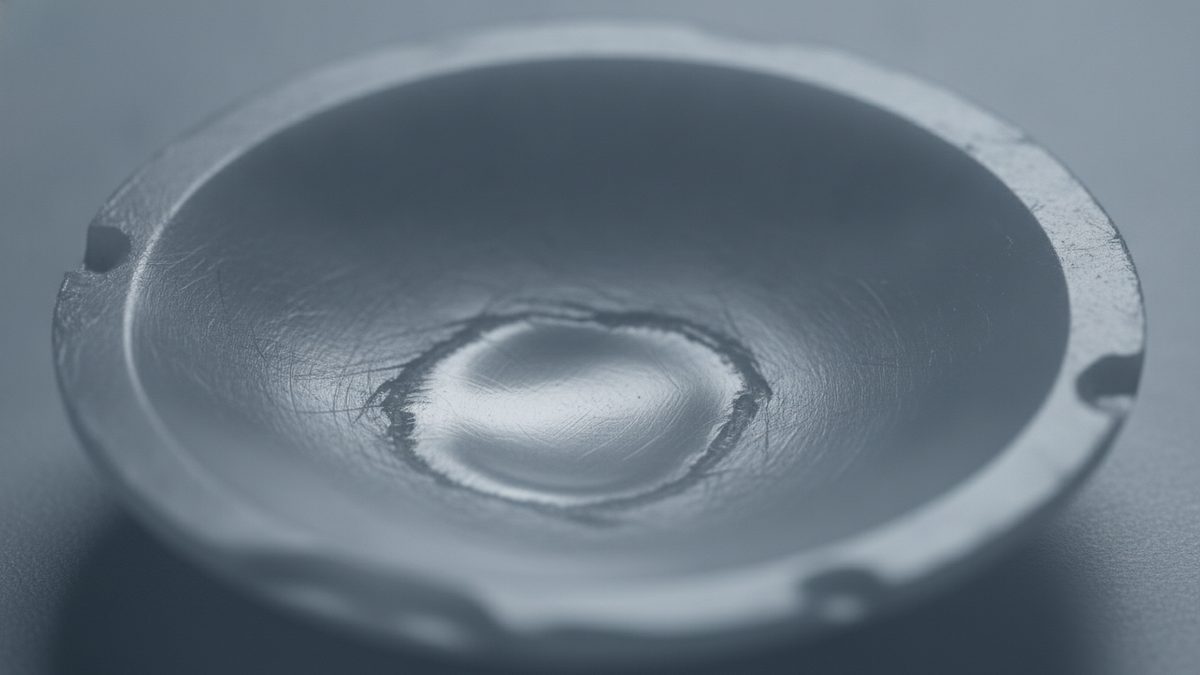
Wear debris and the host response are two findings
A worn implant surface and the tissue around it answer different questions. Reading the wear mode, characterizing the debris, and establishing the host reaction are separate acts of evidence.
Mechanical & Component
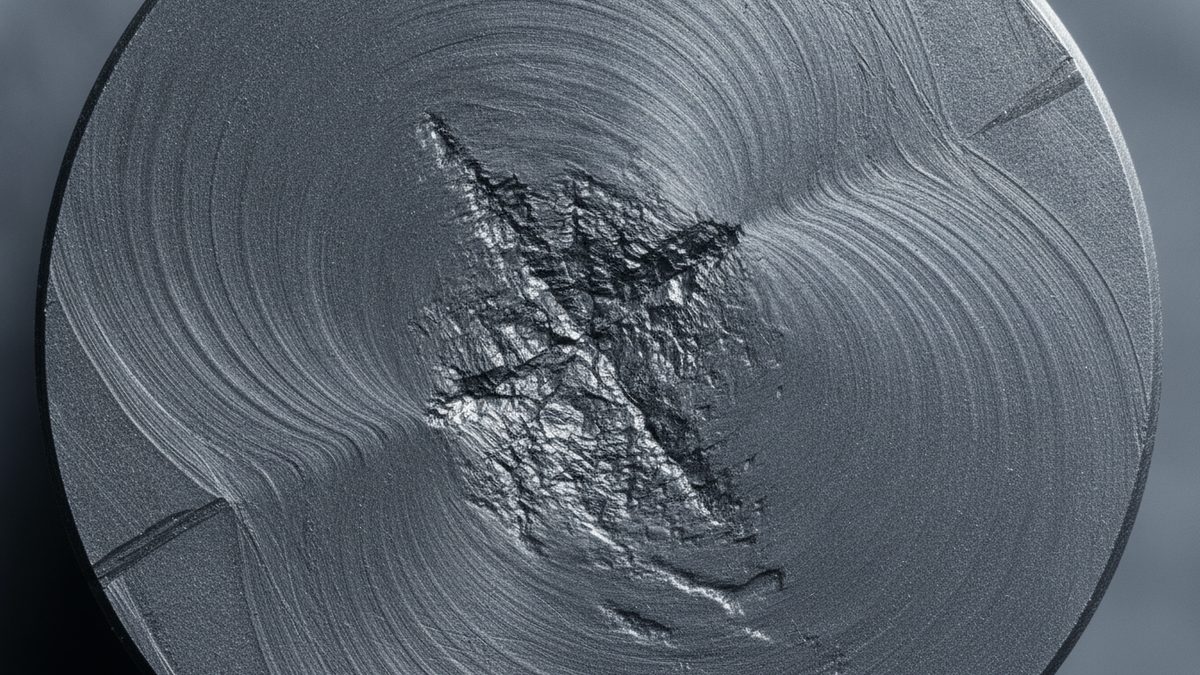
Reading the fracture face of a broken shaft
The plane a shaft separated on, the texture across it, and the size of the region that tore last each record how the shaft was loaded and for how long.
Biomechanical & Medical Device
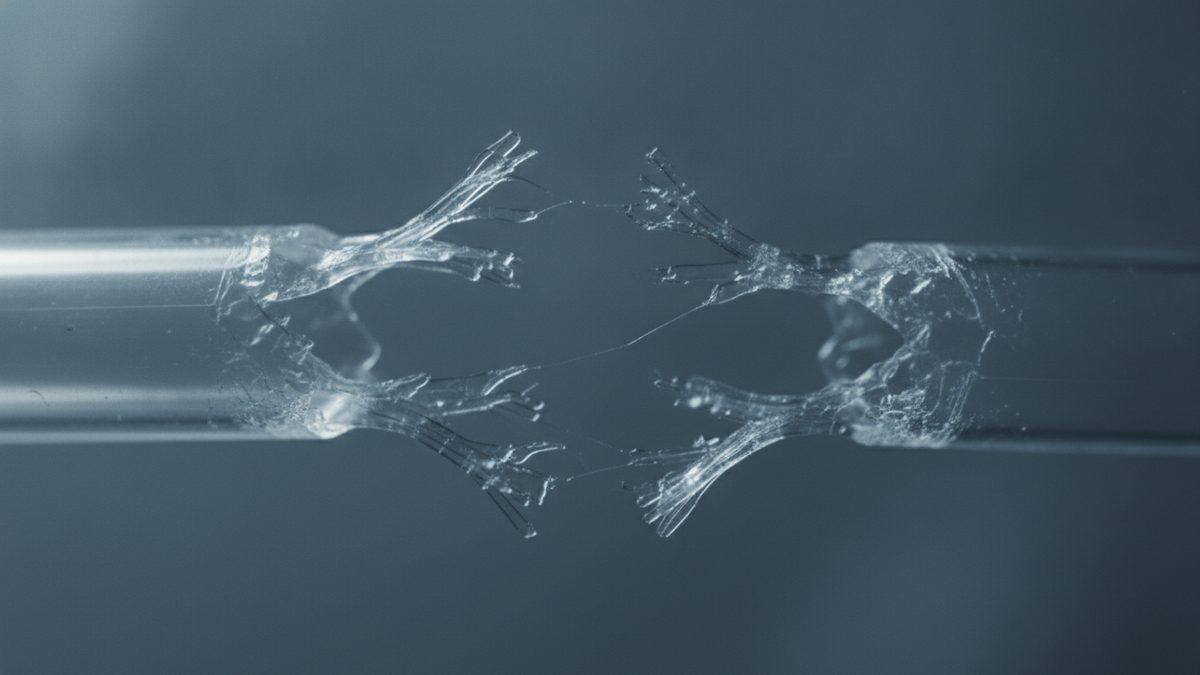
Reading the break in a separated catheter
A catheter that comes out in two pieces can have separated half a dozen ways. The fracture surface, the dimensions and the retained fragment narrow the list — if nobody trims the specimen first.
Mechanical & Component
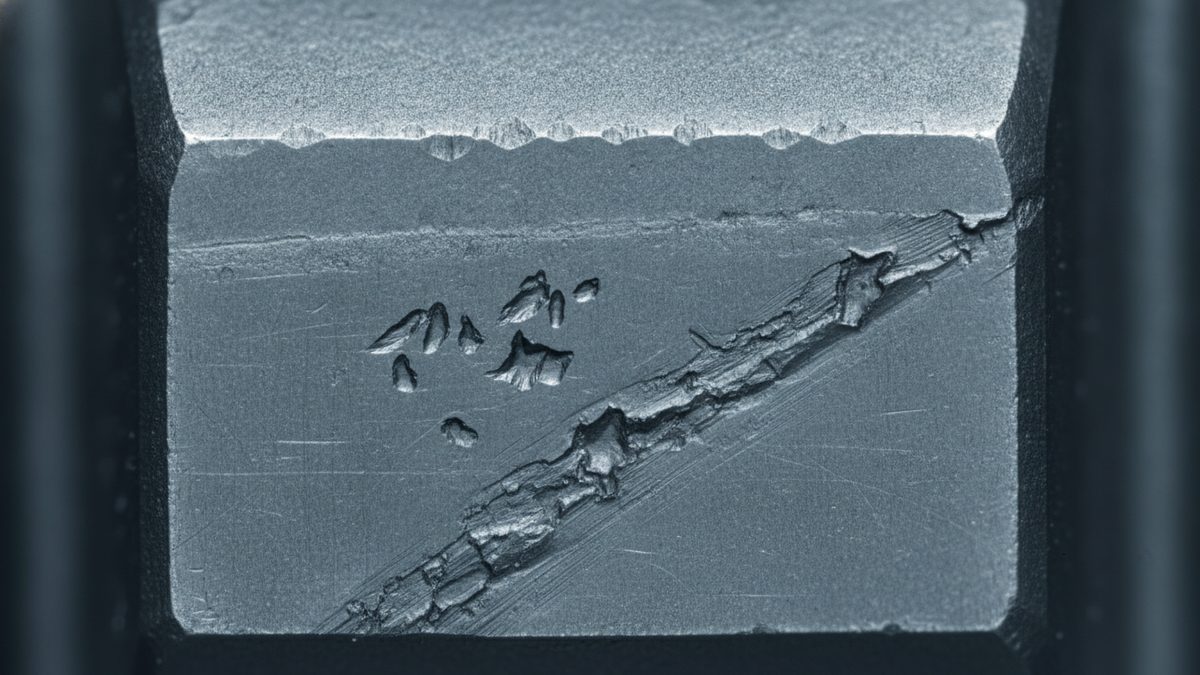
Micropitting, macropitting and scuffing on the same flank
Three of the most common gear flank findings are routinely reported under one another's names. Each points to a different remedy, a different party and a different set of records.

Accident Reconstruction
Reading an event data recorder download without overstating it
An EDR is a restraint controller with a short memory, not a flight recorder. What it measured, what it derived, and what it never saw are three different things.
Mechanical & Component
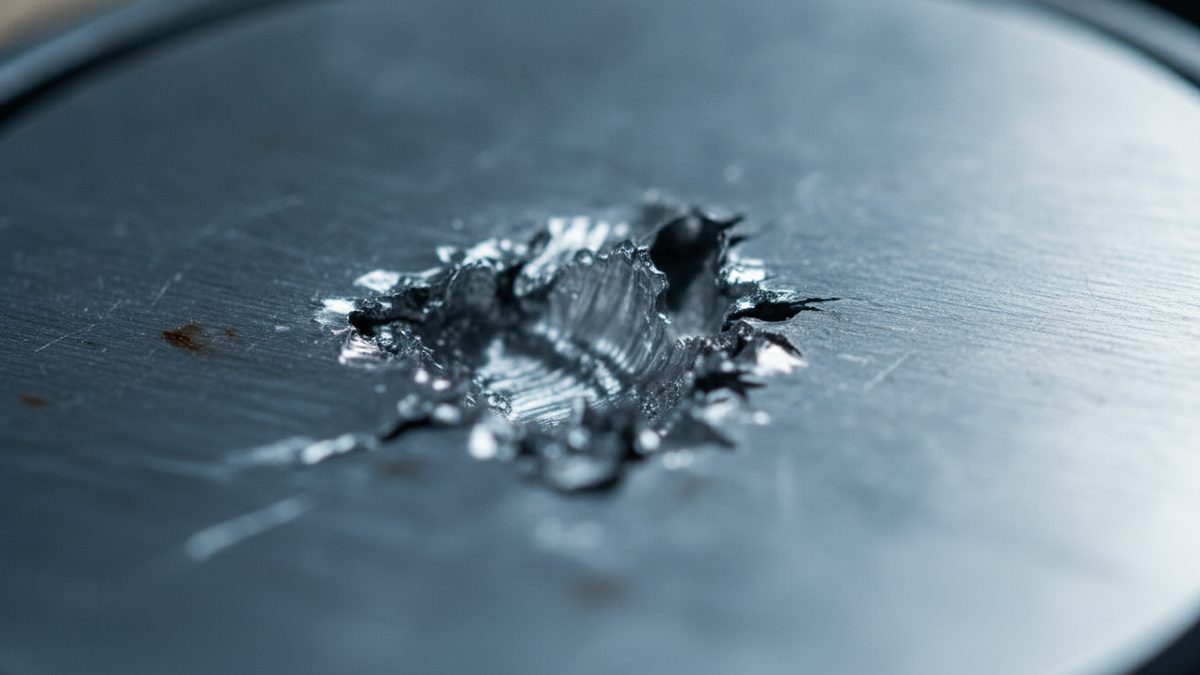
Reading a spall origin: subsurface fatigue or contamination
Two spalls can look identical and mean opposite things. Whether the crack started below the raceway or at a contaminant dent decides whether the bearing was consumed or defeated.

Accident Reconstruction
Reading a derailment: the marks, the geometry and the recorder
A derailment destroys the evidence of its own beginning. What survives — marks on rail and ties, geometry records, the event recorder, and signal and PTC logs — is only as good as the agreement between them.

Accident Reconstruction
Reading a defeated guard interlock
A guard fails in one of three distinguishable ways — inadequate by design, removed in service, or defeated at the interlock. Each points at a different party, and each leaves different physical evidence.
Structural & Civil
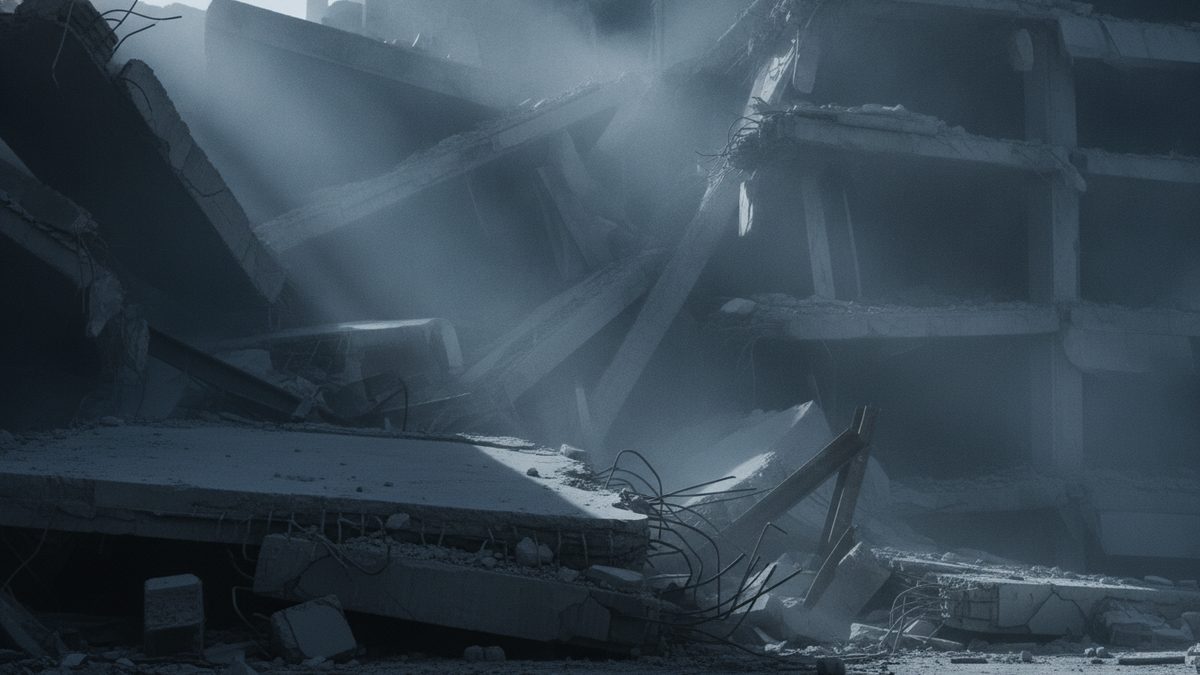
Reading a debris field before the site is cleared
The collapsed geometry is the largest single piece of evidence in a building collapse, and it exists only until search operations and demolition remove it. What has to be captured, and in what order.

Mechanical & Component
Rated, built, installed or lubricated: attributing a gear failure
When a gear set fails early, four explanations compete — the rating, the manufacture, the installation and the lubricant. Each is a different party and a different document trail.
Biomechanical & Medical Device
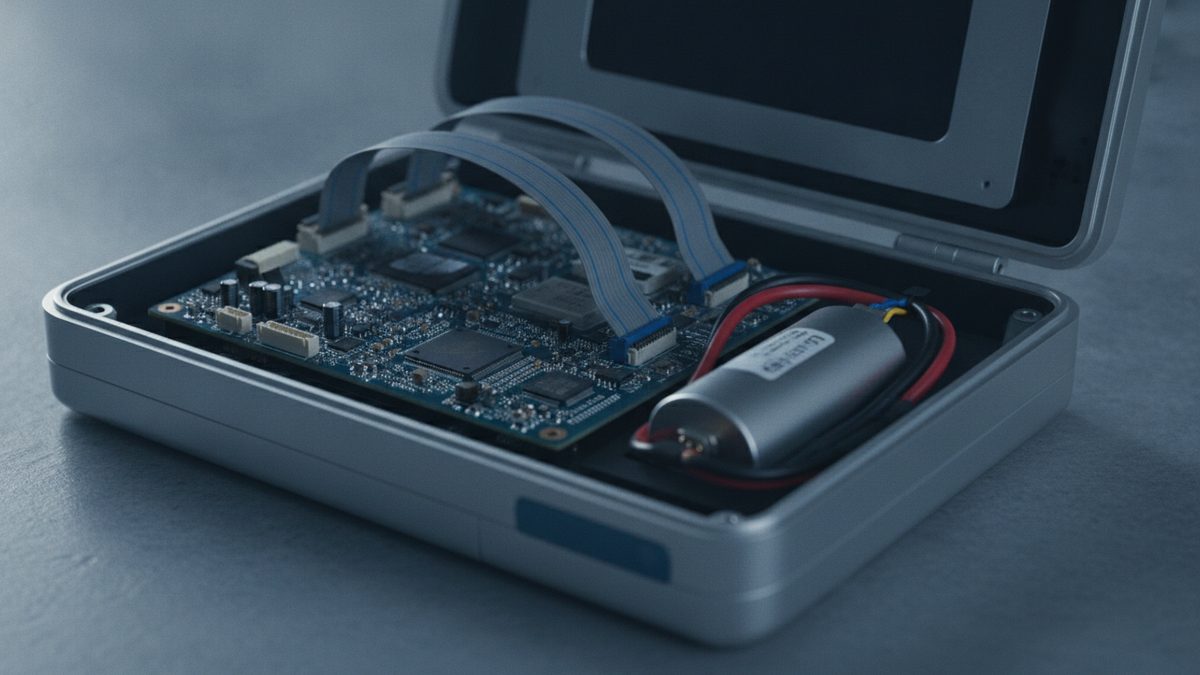
The volatile evidence inside active clinical equipment
Event logs, alarm history, power state and the settings as found are the strongest record of what an infusion pump or ventilator did. Routine ward turnover and biomedical servicing erase most of it within days.
Accident Reconstruction
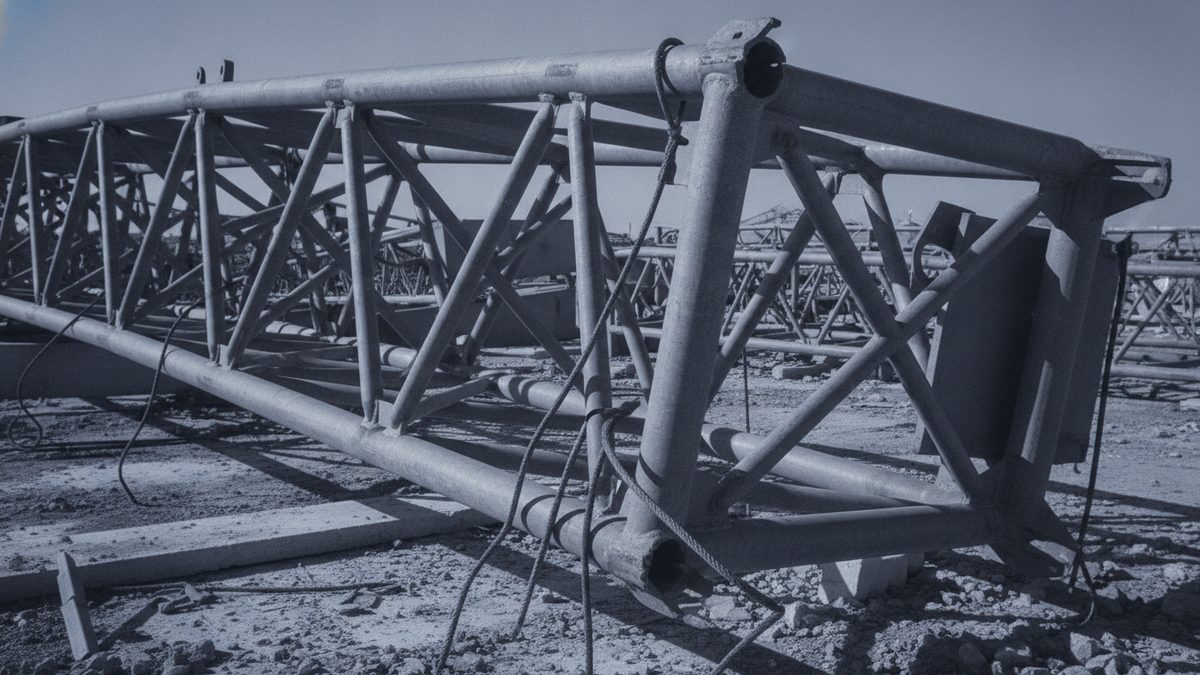
What recovery destroys at a lift failure scene
Load moment data, rigging hardware, wire rope and the ground beneath the outrigger pads are all perishable. Recovery and site clearance destroy them in a predictable order, and quickly.

Accident Reconstruction
The first week decides a fall case
The spill is mopped in an hour, the shoes go back in a closet, the video overwrites in weeks and the floor is refinished by spring. What preservation actually has to cover.

Polymers, Plastics & Composites
Premature or expected? Rating exposure against service life
All outdoor plastics degrade eventually, so degradation alone establishes nothing. The question is whether it happened faster than the material, as specified and as installed, should have allowed.
Structural & Civil
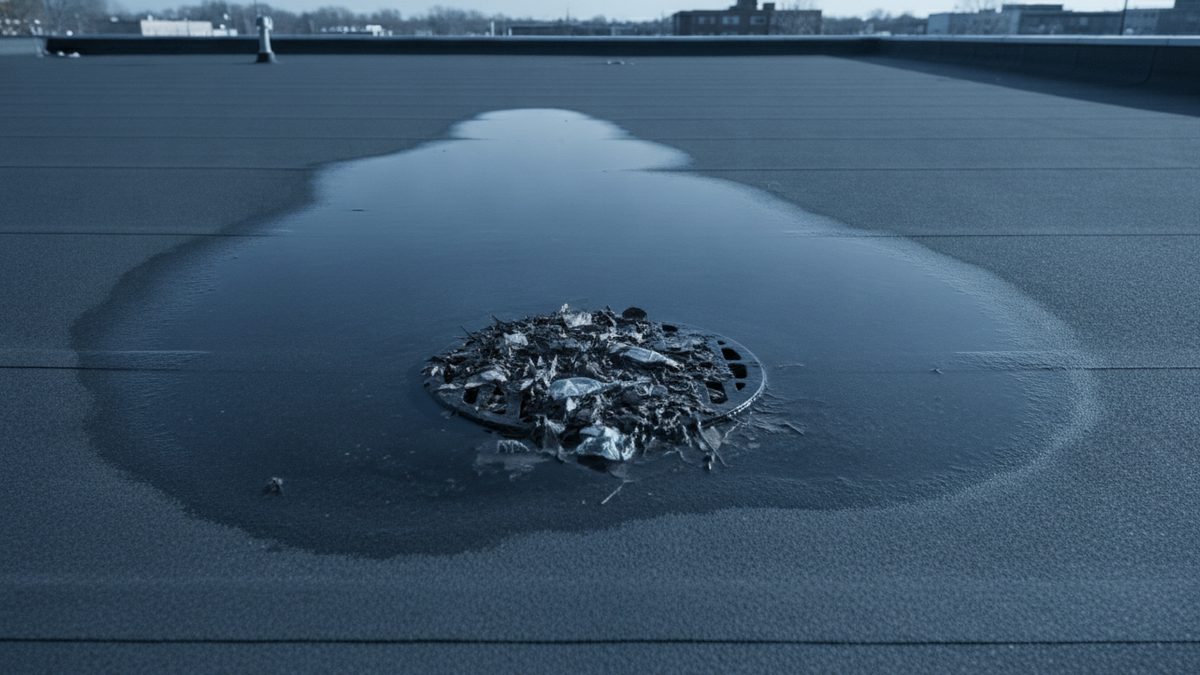
Ponding instability: the load that grows as the roof deflects
Water on a flat roof deflects the structure, which creates a deeper basin, which collects more water. Where the framing is too flexible, that feedback loop does not converge.

Accident Reconstruction
The pedestrian-case evidence that clears itself away
Scene marks, front-end damage geometry, recorder data, driver-assistance logs and surveillance video all have short lives. What each one answers, what destroys it, and the order preservation should follow.
Geotechnical & Foundations
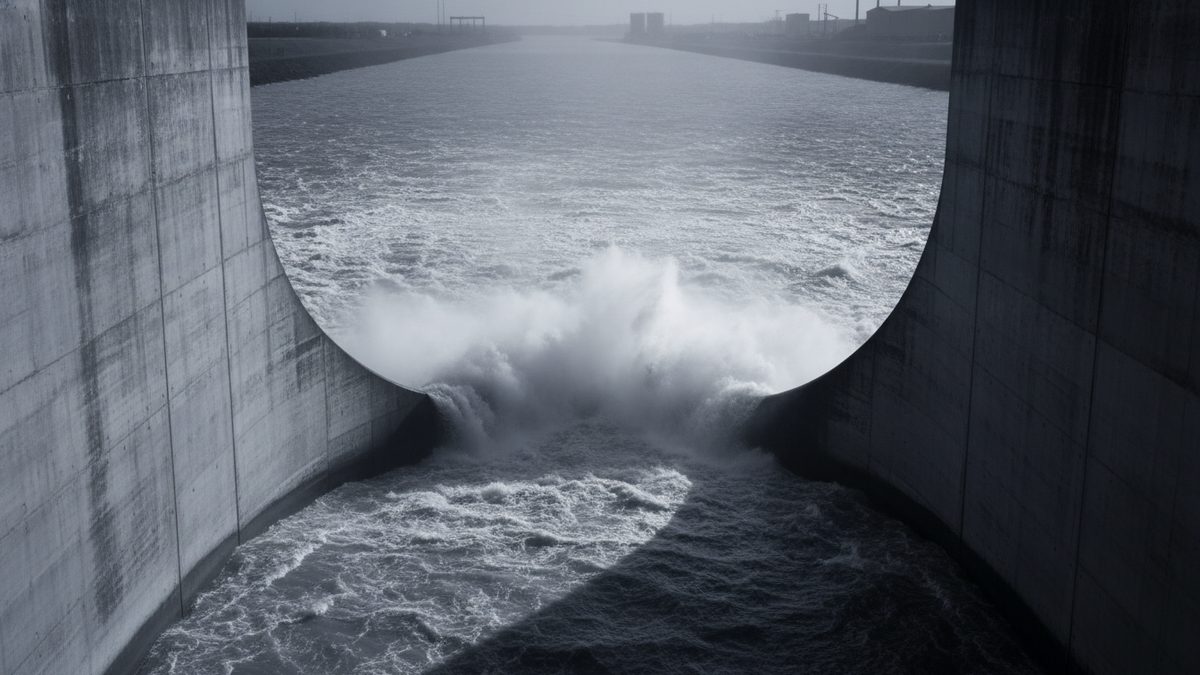
Overtopping, spillway capacity and the design flood question
An overtopping failure is rarely just a big storm. It is a comparison between the flood that arrived, the outlet capacity that was available, and the design basis the structure was built to.
Mechanical & Component
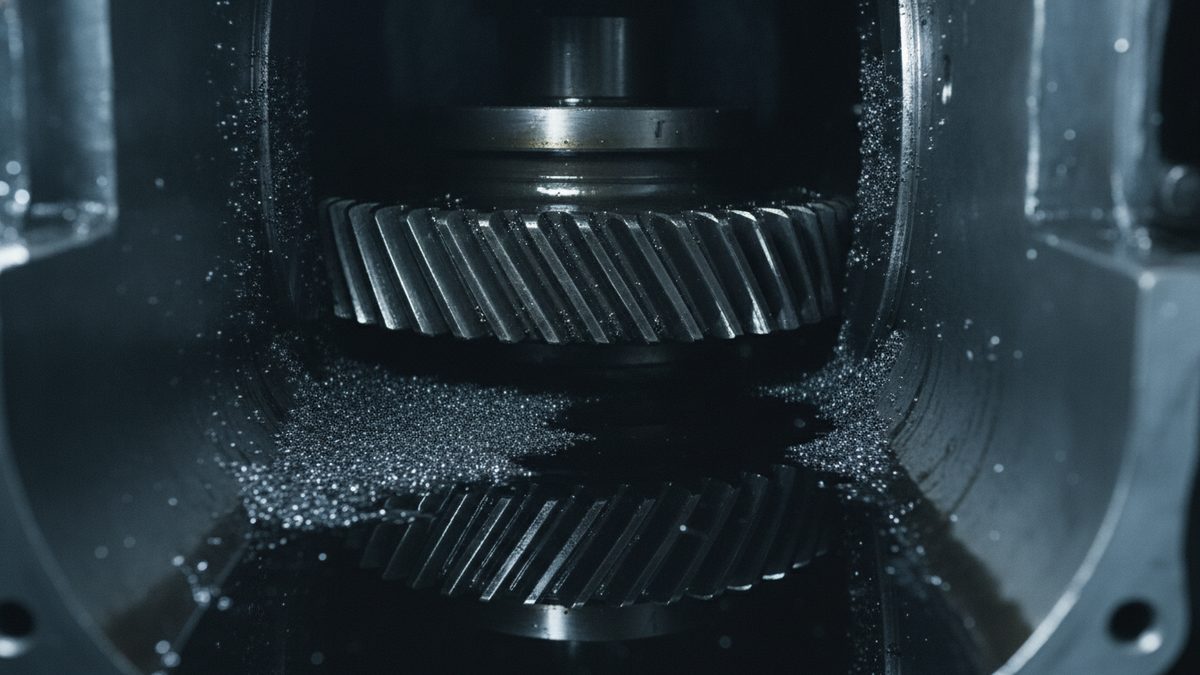
Opening a failed gearbox without losing the record
Mesh position, debris distribution, the oil and the as-worn contact band are all recoverable on the day of a gearbox failure and largely gone a week later. Most of that loss is well-intentioned.

Accident Reconstruction
Conspicuity is a measurement, not an impression
The nighttime pedestrian case turns on detection distance. Contrast against the background, delivered headlamp illumination, lighting uniformity and sightline geometry are all measurable inputs.
Accident Reconstruction
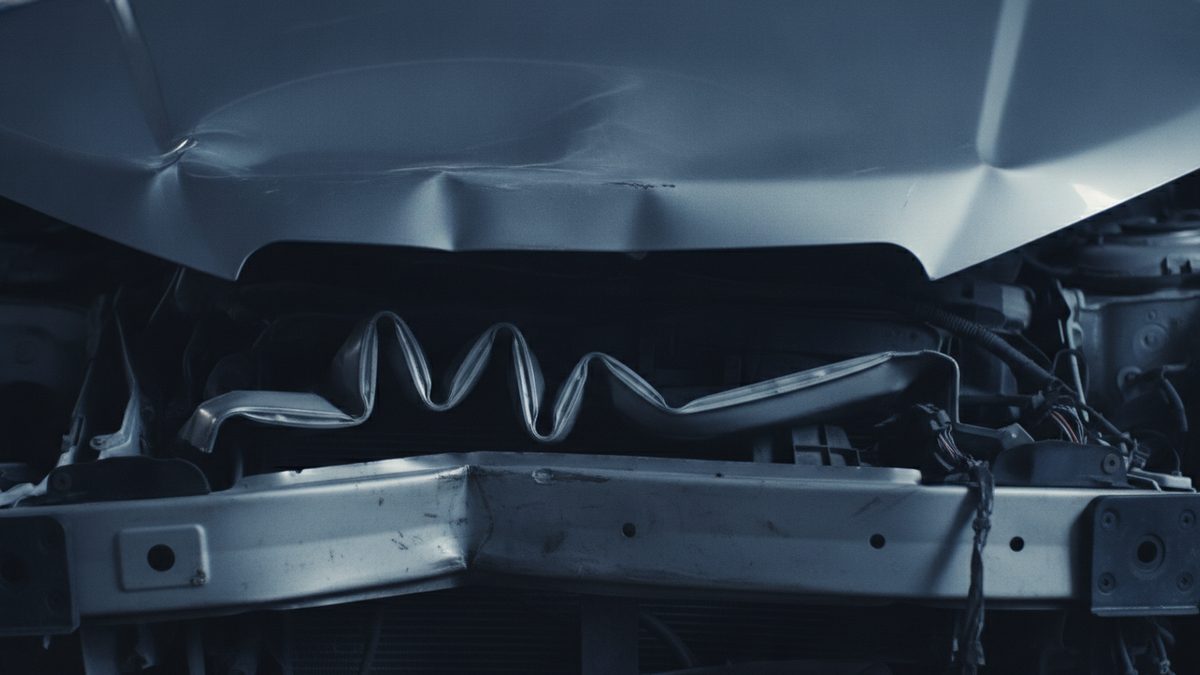
Momentum and crush energy: what disagreement between them tells you
Two speed methods with almost no shared inputs. When they converge the result is strong; when they diverge, the divergence is usually telling you something about the collision.
Biomechanical & Medical Device
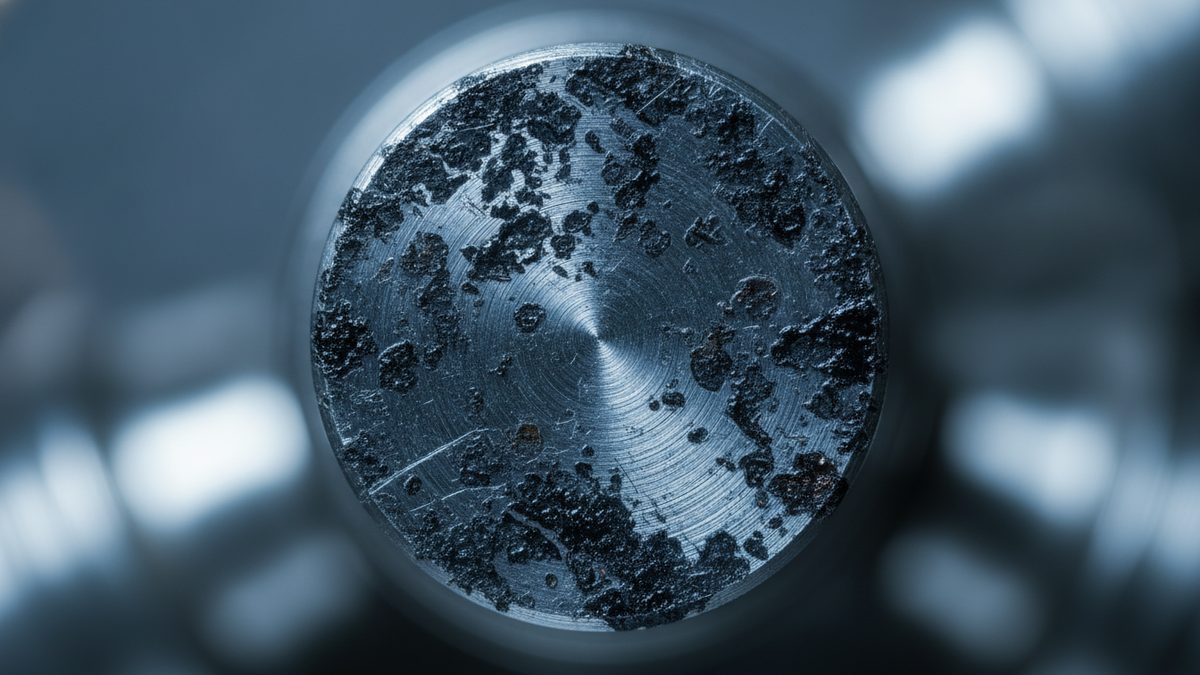
Corrosion at modular junctions and the alloy question
A modular junction is a crevice with micromotion in it. Reading the degradation means examining the surfaces before cleaning, verifying the alloy, and addressing assembly and patient factors explicitly.

Biomechanical & Medical Device
Where the biomechanical opinion ends and medicine begins
A biomechanist establishes loading direction, magnitude and rate, and compares it against tolerance data. Diagnosis, timeline and baseline belong to medicine. Most challenges live on that boundary.
Structural & Civil
Mapping the concrete damage you cannot see yet
By the time concrete spalls, the damage beneath it has been developing for years and extends well past the visible area. Sounding, potential mapping and impact-echo find it before it declares itself.

Polymers, Plastics & Composites
Manufacturing or in service? Reading delamination geometry
A delamination introduced in the autoclave and one introduced by an impact look similar on a report and different in cross-section. What void content, distribution and damage shape each establish.

Accident Reconstruction
Machine, envelope, or rigging: attributing a lift failure
A dropped load can come from a machine defect, from operation outside the chart envelope, or from rigging inadequate for the tension it saw. Each leaves different evidence under different standards.
Accident Reconstruction
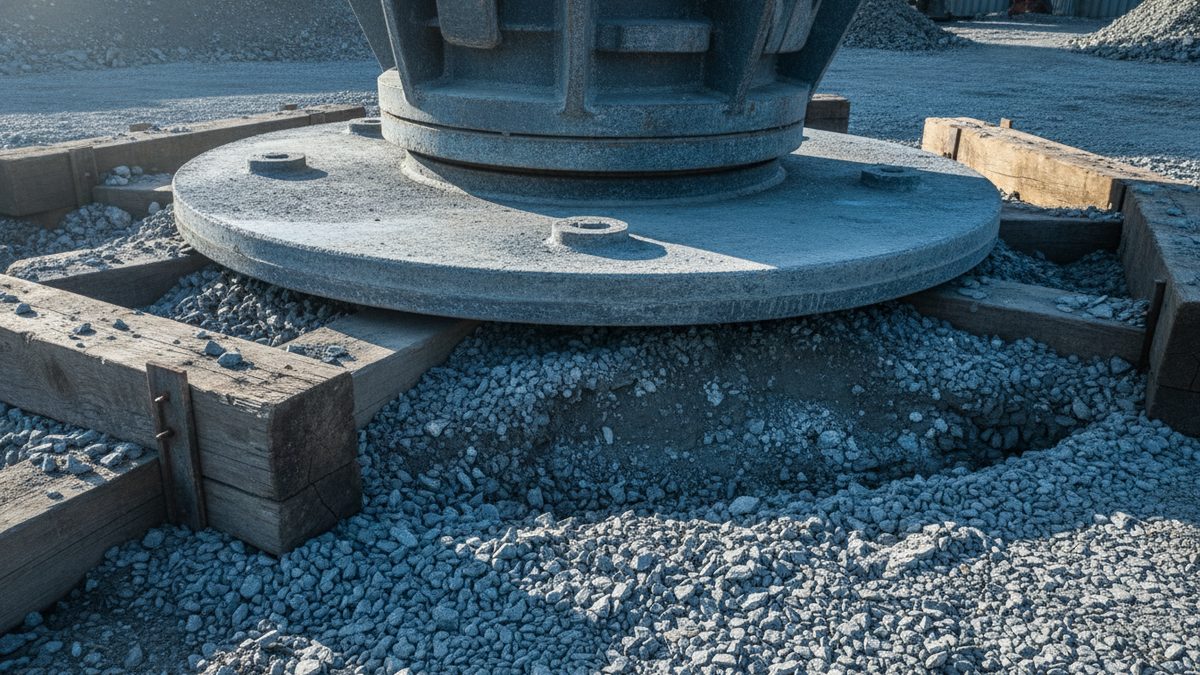
What the load chart assumed, and what the ground delivered
A rated capacity chart is a set of conditions, not a number. Configuration, deductions, outrigger reactions and ground bearing capacity each decide whether the figure the crew read off the page applied.
Biomechanical & Medical Device
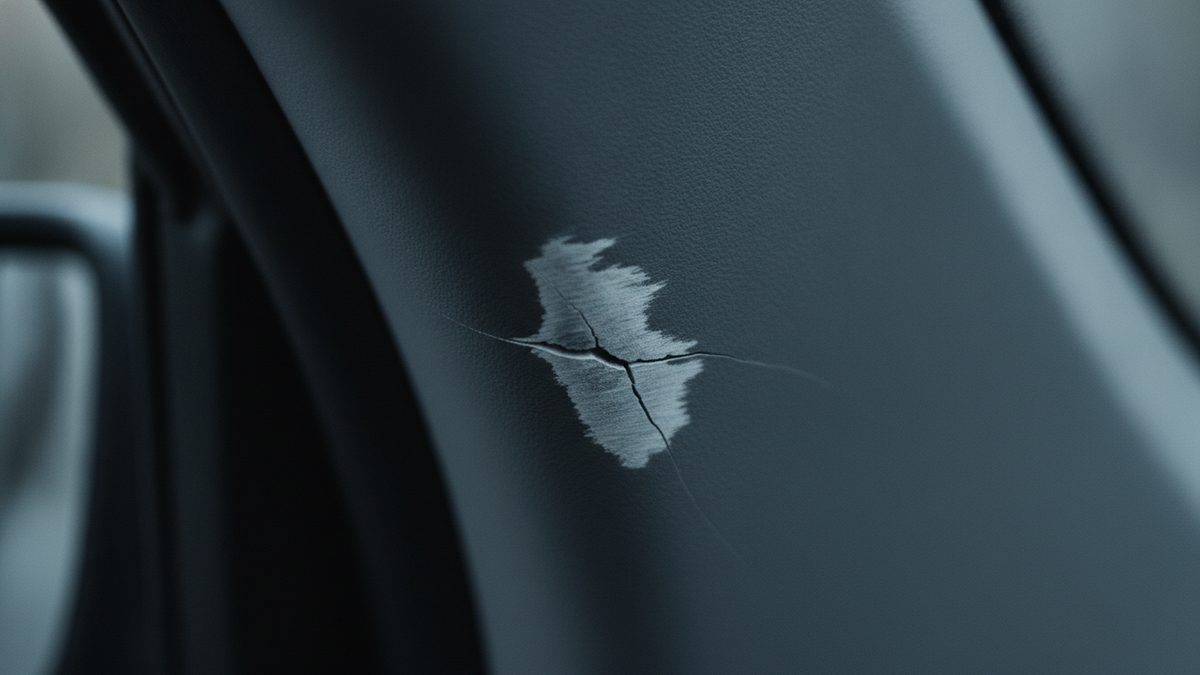
Mechanism consistency and the limits of "consistent with"
Reconstructing body kinematics from interior marks, restraint evidence and recorded data constrains what loading a body saw. A finding of inconsistency is strong; a finding of consistency excludes very little.
Mechanical & Component
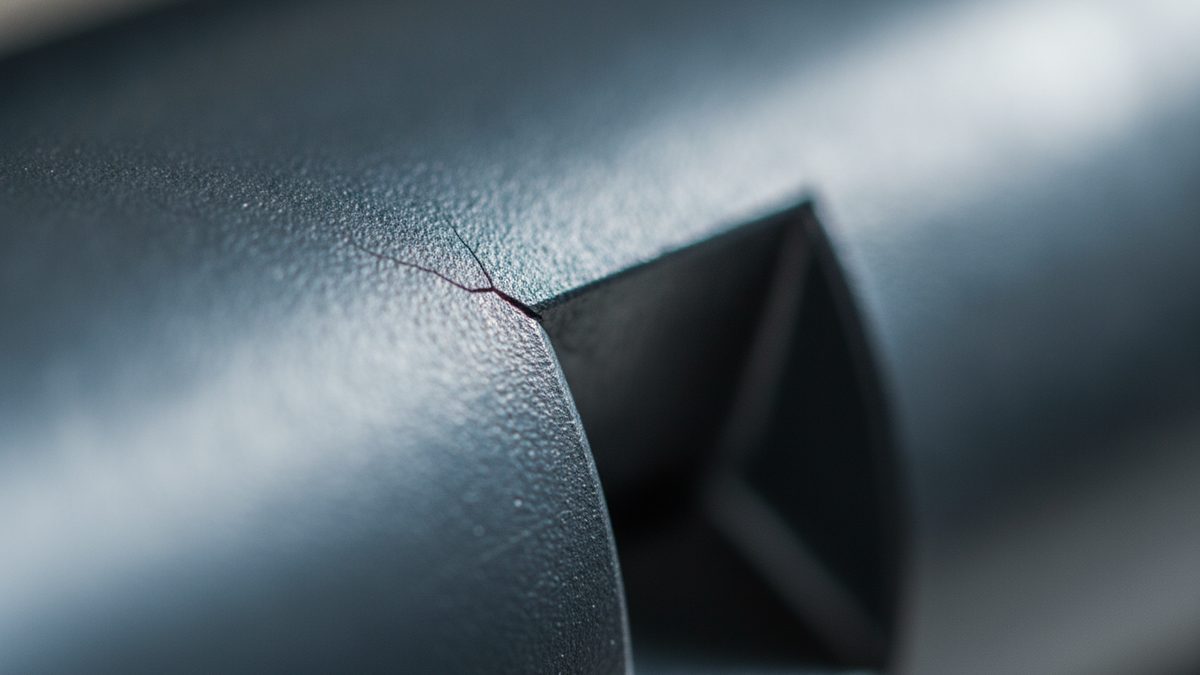
Keyways, fillets and the stress concentration question
Shafts crack where the section changes. Whether that is a design deficiency, a manufacturing departure, or neither depends on what the allowable already accounted for.

Geotechnical & Foundations
Is the movement ongoing? Anatomy of a foundation investigation
Crack mapping, floor-level survey, borings, laboratory testing and repeat monitoring — what each step can establish on its own, and what the original geotechnical report did and did not commit to.
Geotechnical & Foundations
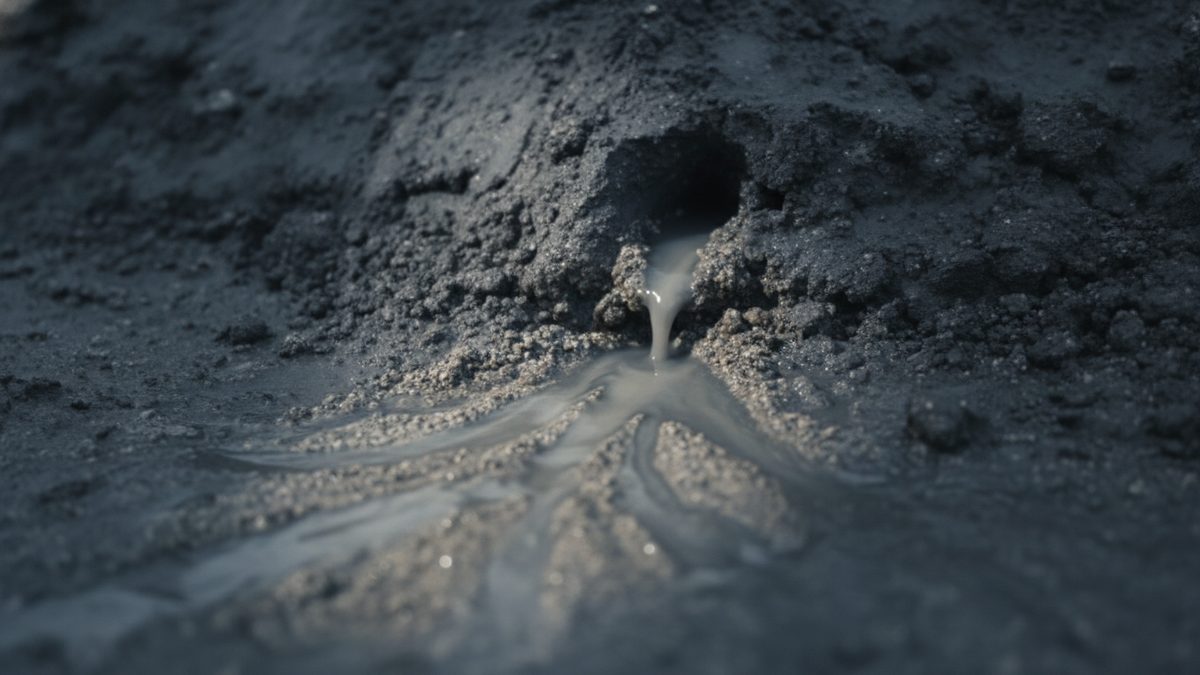
Internal erosion: four mechanisms and the filter question
Seepage through an embankment is normal. Soil moving with the seepage is not. Backward erosion, concentrated leaks, suffusion and contact erosion are distinct mechanisms with distinct evidence.
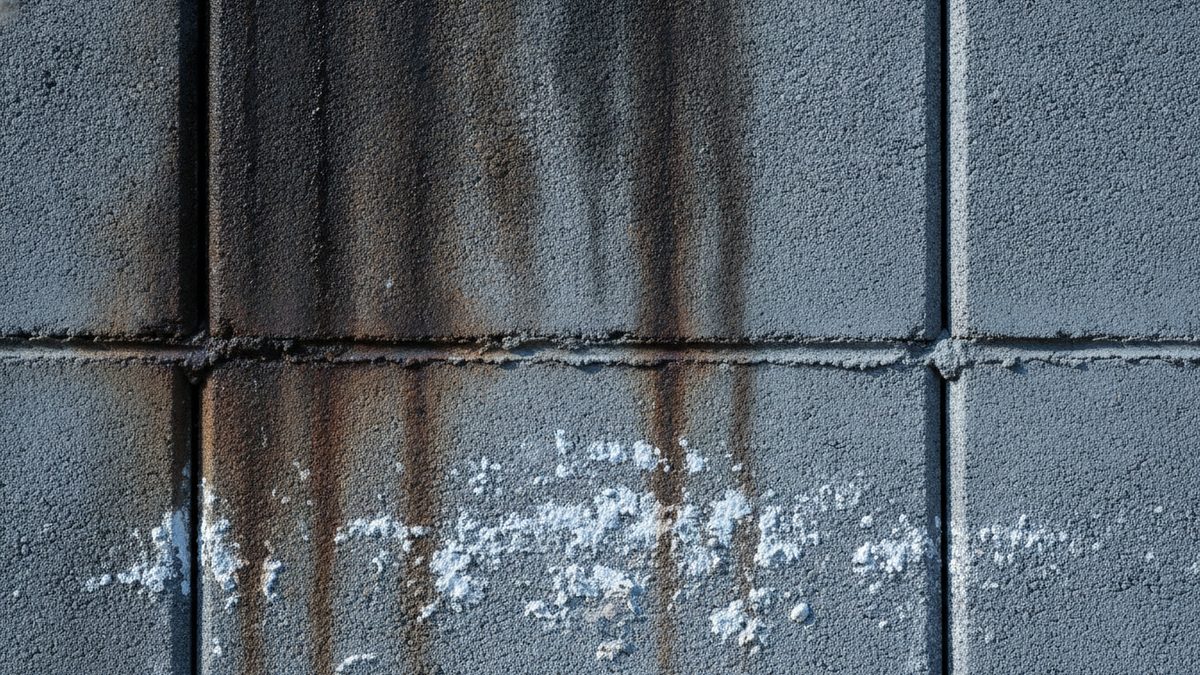
Geotechnical & Foundations
When the drain stopped working, the loading case changed
A drained wall carries the push of the soil skeleton. A saturated one carries soil plus a full column of water, low on the stem where it does the most damage. The drain is where the investigation starts.
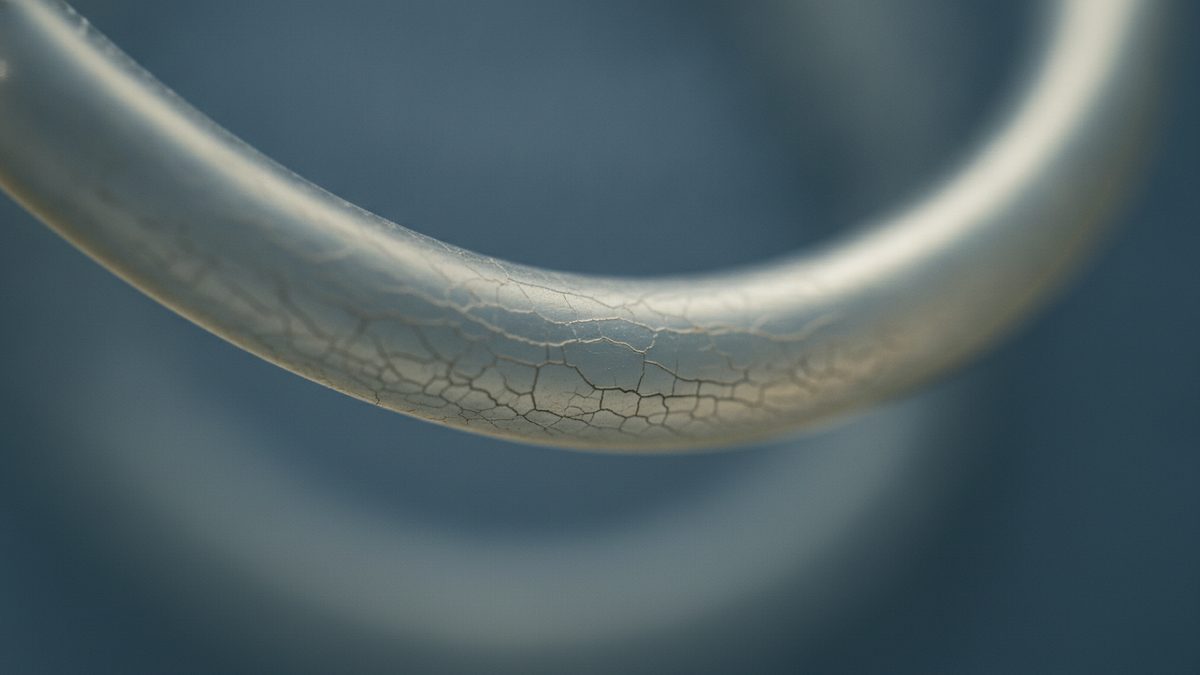
Biomechanical & Medical Device
How medical tubing ages out before its expiry date
Plasticizer migration, drug and lipid interaction, disinfectants and sterilization can leave a set unfit long before its labeled shelf life ends — and the device is usually cut, flushed or discarded first.
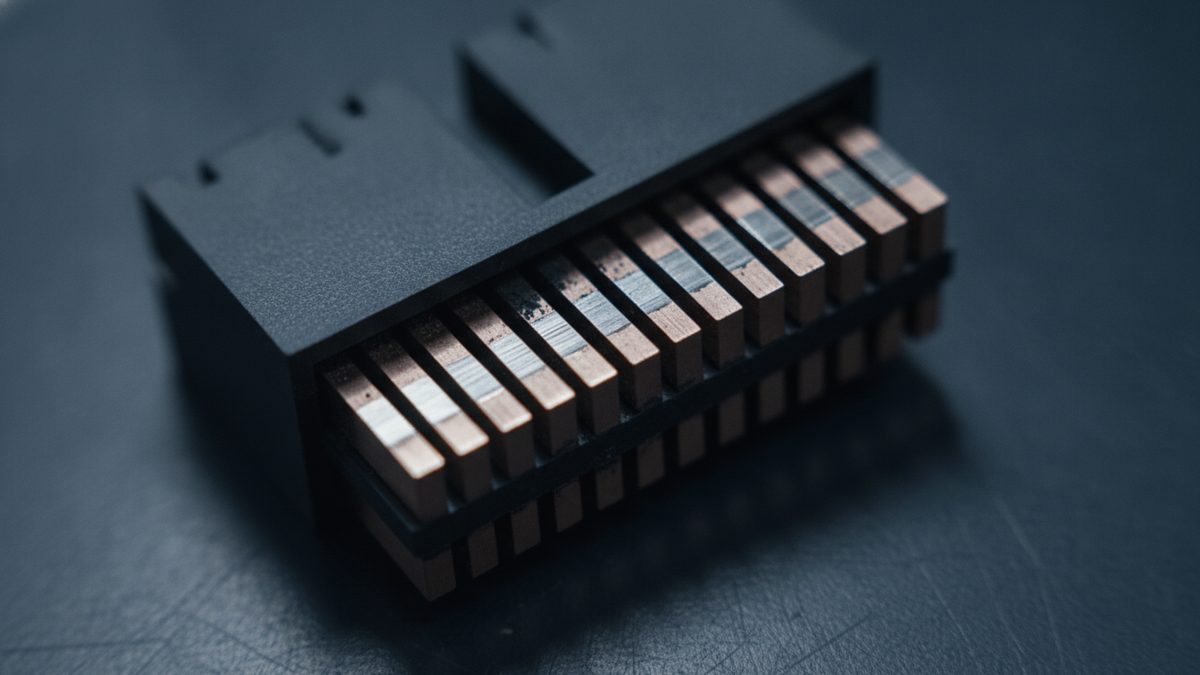
Electrical, Electronics & Batteries
Fretting, vibration and the connector that fails only in service
Micro-motion measured in microns destroys contacts that pass every bench test. It is the dominant wear mechanism in vehicle and machinery connectors, and it is nearly invisible.
Mechanical & Component
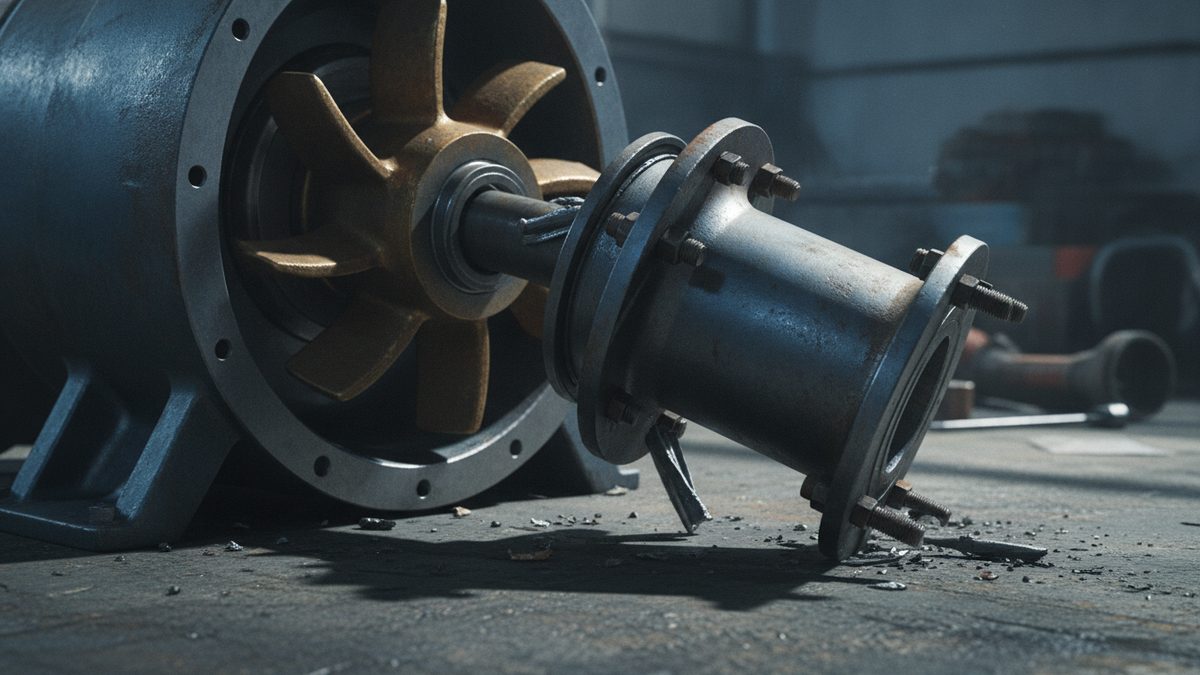
Four candidates for an early rotating-equipment failure
Selection, installation, operation and maintenance each explain a premature pump or compressor failure. Each leaves a different documentary trace, and the traces usually decide it.
Structural & Civil
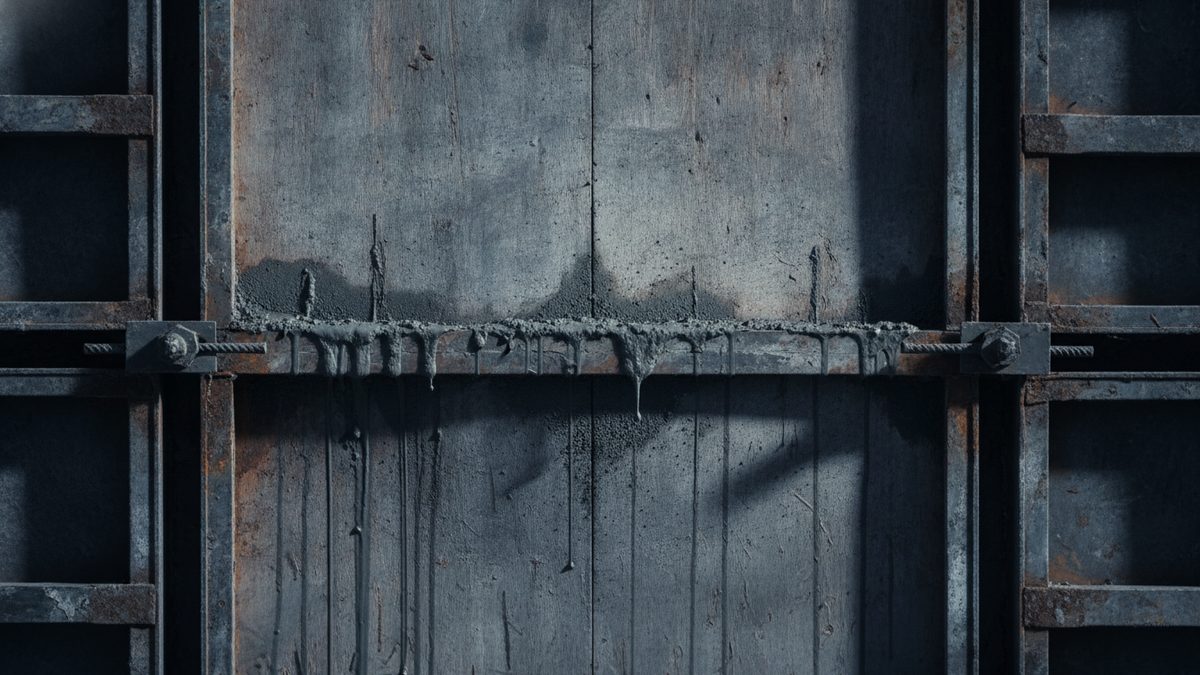
Formwork under fresh concrete: pressure, rate and temperature
Fresh concrete behaves like a fluid until it stiffens, and how much pressure it exerts depends on how fast it is placed and how warm it is. Both are decided on the day, not in the design.
Mechanical & Component
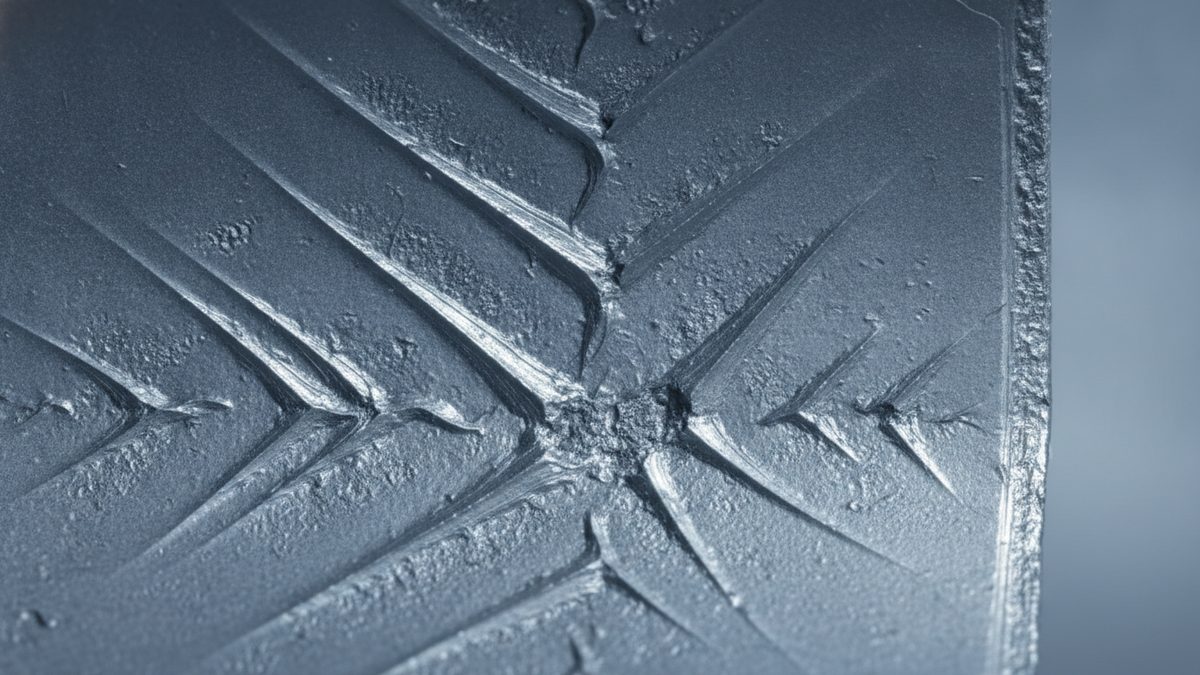
Finding the rupture origin before the repair crew does
The origin of a rupture occupies a few square inches of a fracture that may run for many feet. Emergency response and repair are organized around removing exactly that material.
Structural & Civil
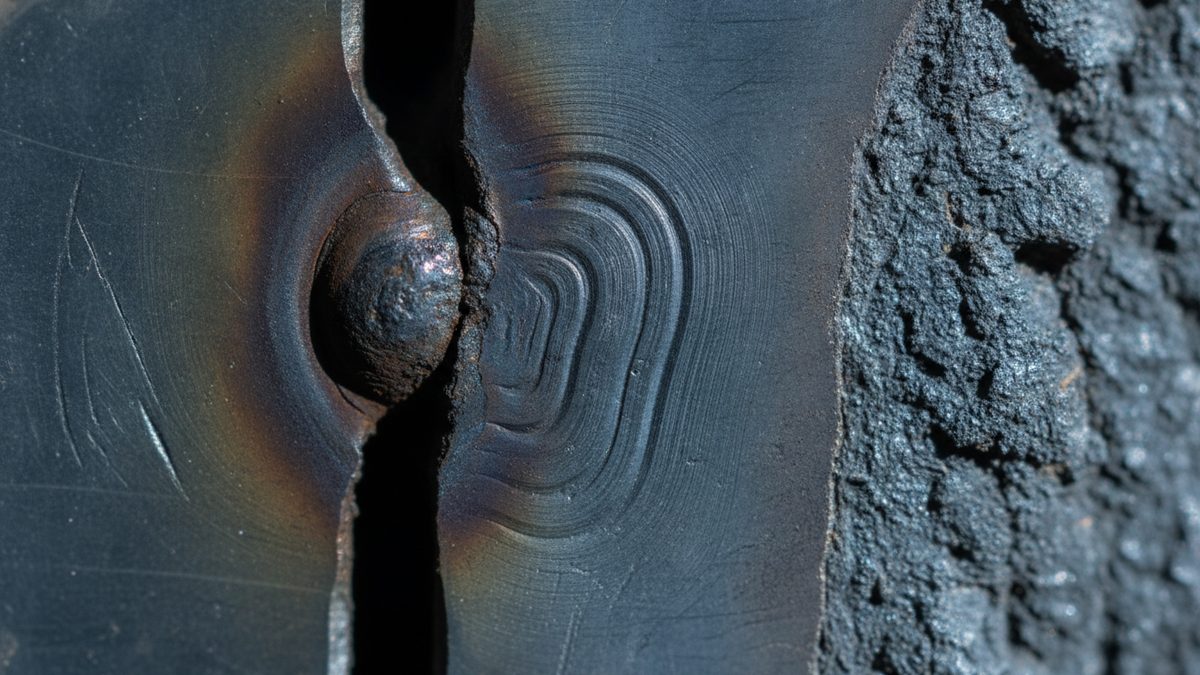
Fatigue at a fracture-critical detail: reading the crack back
A fatigue crack in a steel bridge member grows for years before it matters. The fracture surface records that history, and the inspection file records who had a chance to find it.

Geotechnical & Foundations
External and internal stability are two different cases
Sliding, overturning and bearing are checked on the wall as a block. Pullout, rupture and connection are checked layer by layer. A wall can pass one family of checks and fail the other entirely.
Biomechanical & Medical Device
The operating theater is where implant evidence is lost
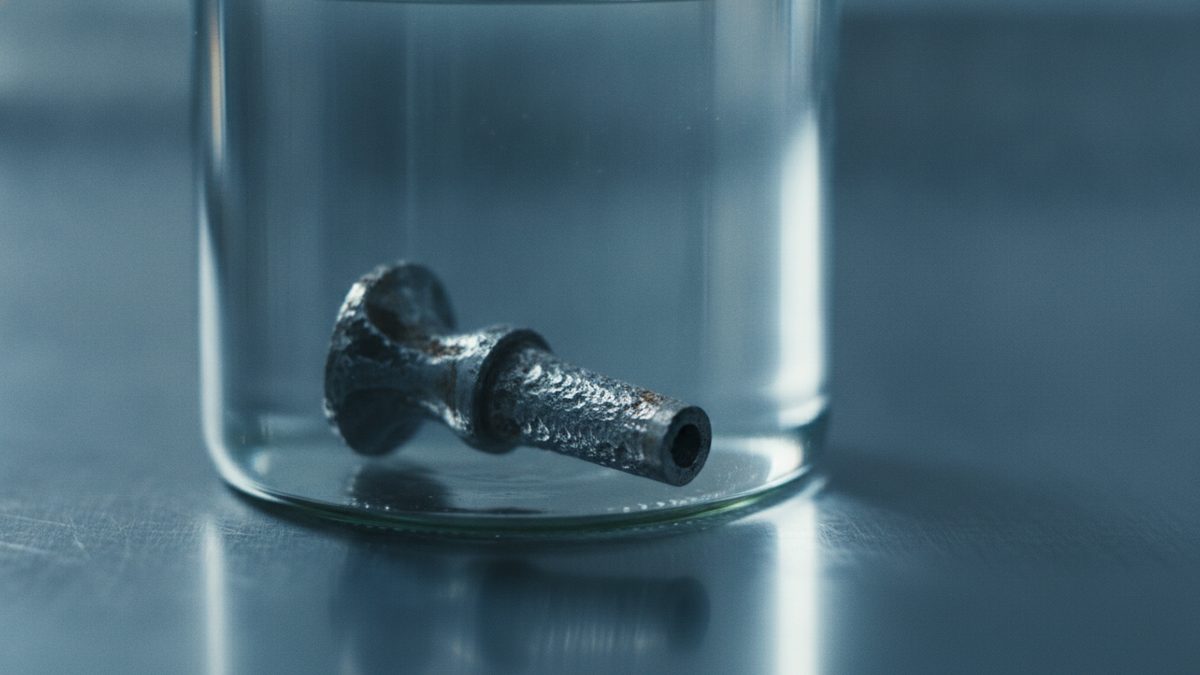
Most of what an explanted implant could prove is decided in theater, not in the laboratory. Cleaning, fixation and sterilization remove the surface record before anyone identifies it as evidence.
Polymers, Plastics & Composites
ESC or chemical attack? The polymer itself answers it
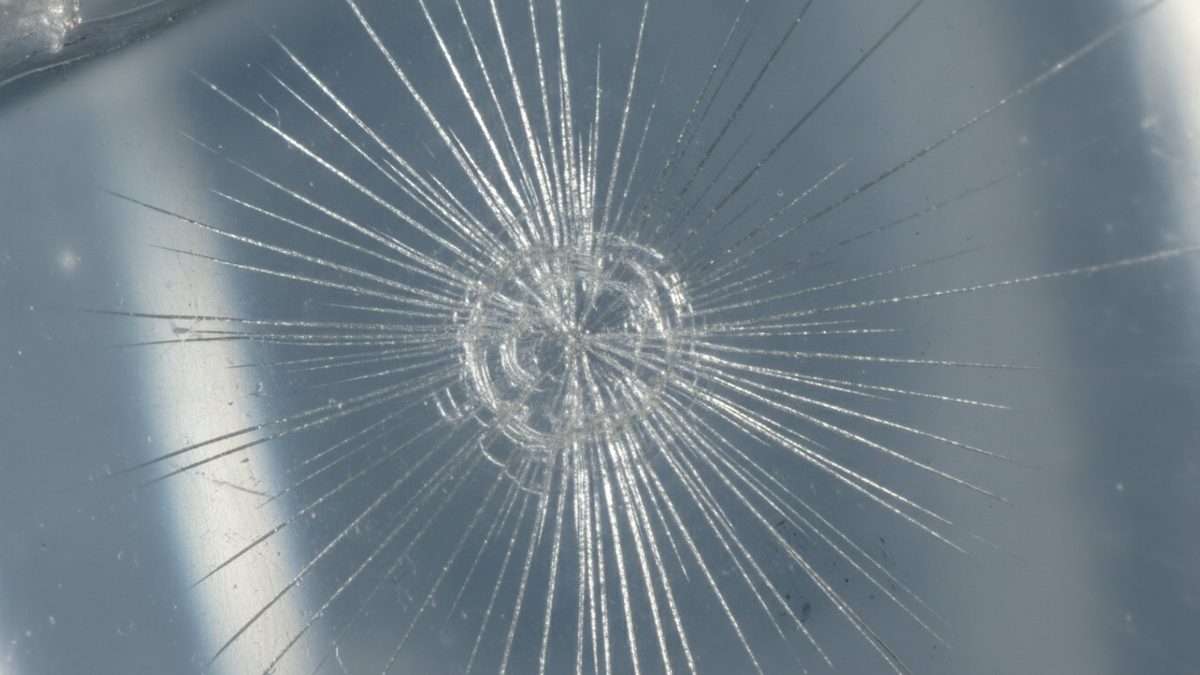
Environmental stress cracking and chemical attack look alike on a broken part and separate cleanly in the laboratory. The discriminator is whether the polymer's chemistry changed at all.

Electrical, Electronics & Batteries
When a board grows its own short circuit
Moisture, ionic contamination and a voltage bias will grow conductive metal between conductors. The board that passed final test genuinely passed it — the short did not exist yet.

Polymers, Plastics & Composites
Design defect or molding defect? Ask the population
A defect built into the geometry appears in every part from the tool. A process defect varies between lots and cavities. How failures distribute across a production population separates the two.
Accident Reconstruction
Delta-V is not an injury measurement
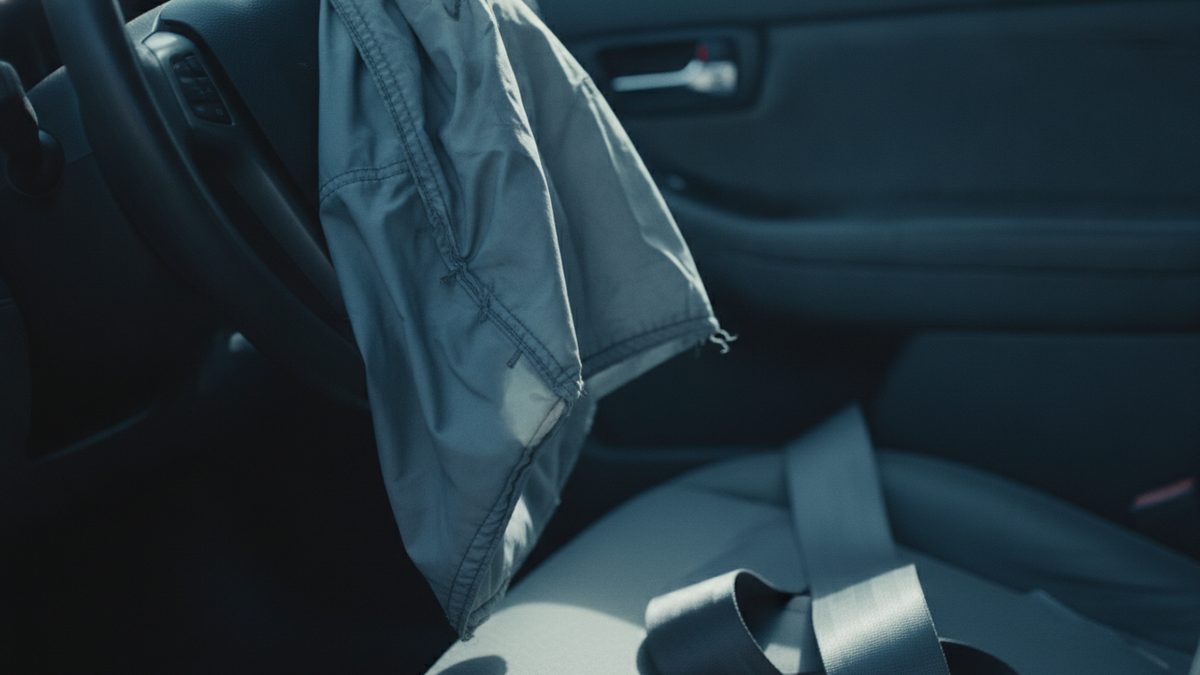
How severely a vehicle was struck and how an occupant was loaded are different questions with different evidence. Restraint hardware answers the second better than any severity number.

Mechanical & Component
Delayed brittle fracture in high-strength bolts
Hydrogen embrittlement and stress corrosion cracking both produce delayed, largely intergranular fastener fractures. Fractography, hardness and the plating record separate them.

Polymers, Plastics & Composites
Degraded before it was molded: regrind, heat and residence time
A part can be measurably brittle while the resin certificate reads entirely normal. Thermal history in the barrel, moisture at the hopper and regrind content all degrade material before the tool sees it.
Mechanical & Component
Creep, high-cycle fatigue or thermal cycling: telling blade damage apart
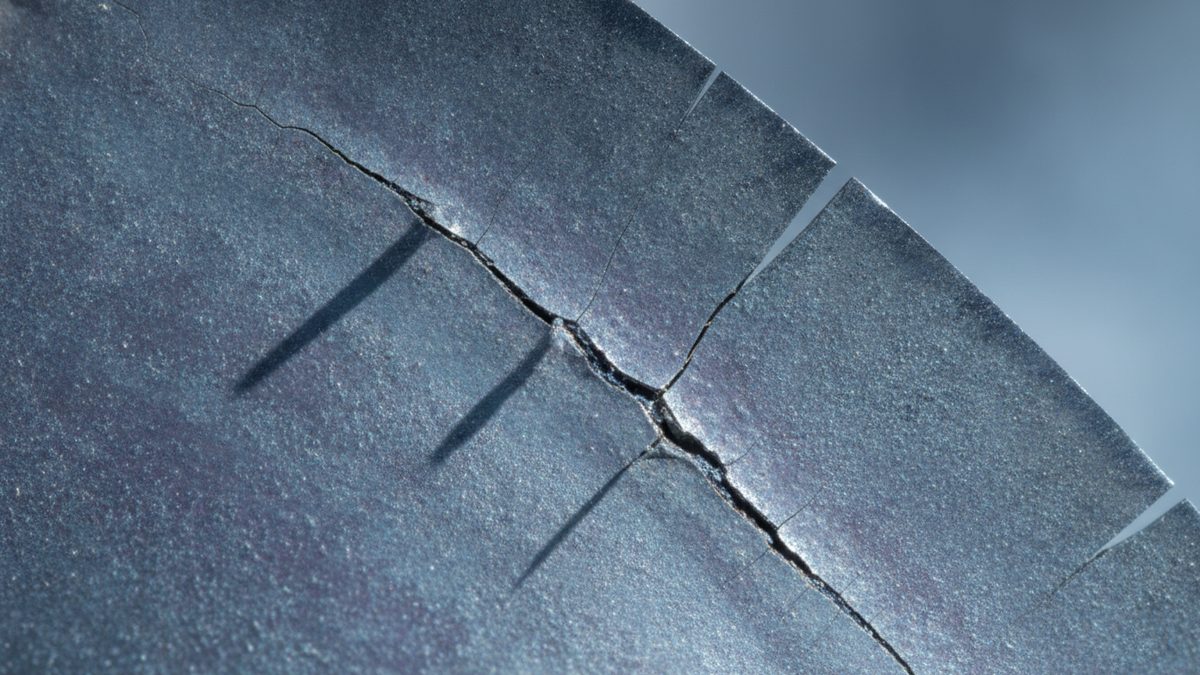
Creep, high-cycle fatigue and thermal-mechanical fatigue crack blades in the same places but run on different clocks. Separating them decides whether the issue is material, vibratory or operational.
Electrical, Electronics & Batteries
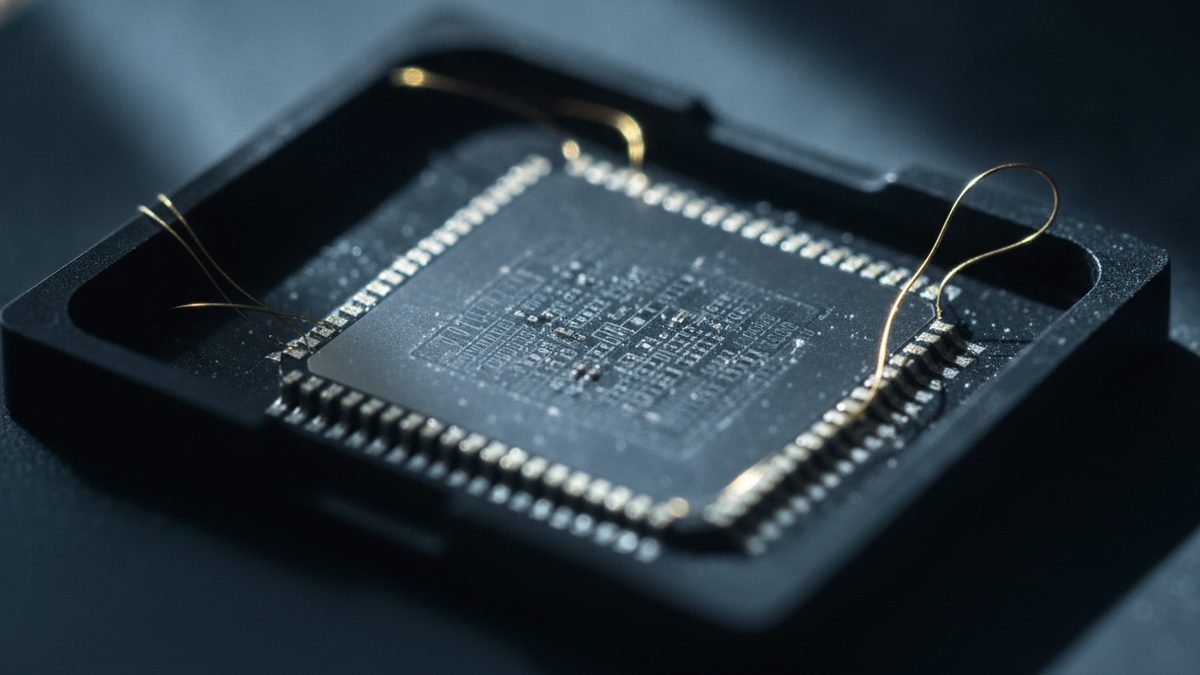
Counterfeit and out-of-spec parts, and how they are caught
A part that is not what its marking claims fails in ways the design never anticipated. Detection is a documented sequence, and the supply chain record is half the answer.
Biomechanical & Medical Device
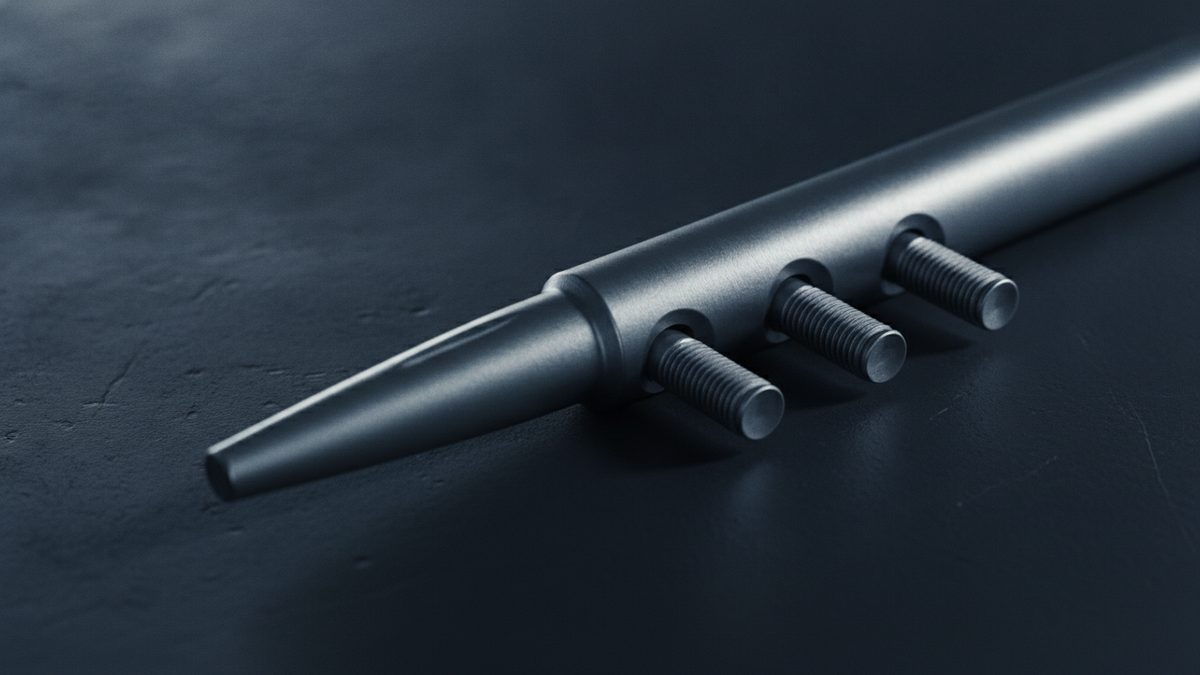
The construct, not the component: working length, screw count and stress concentration
A plate that meets every applicable standard can still be part of a construct that fails. Working length, screw placement, junctions and mixed metals are assembly properties, not device properties.
Geotechnical & Foundations
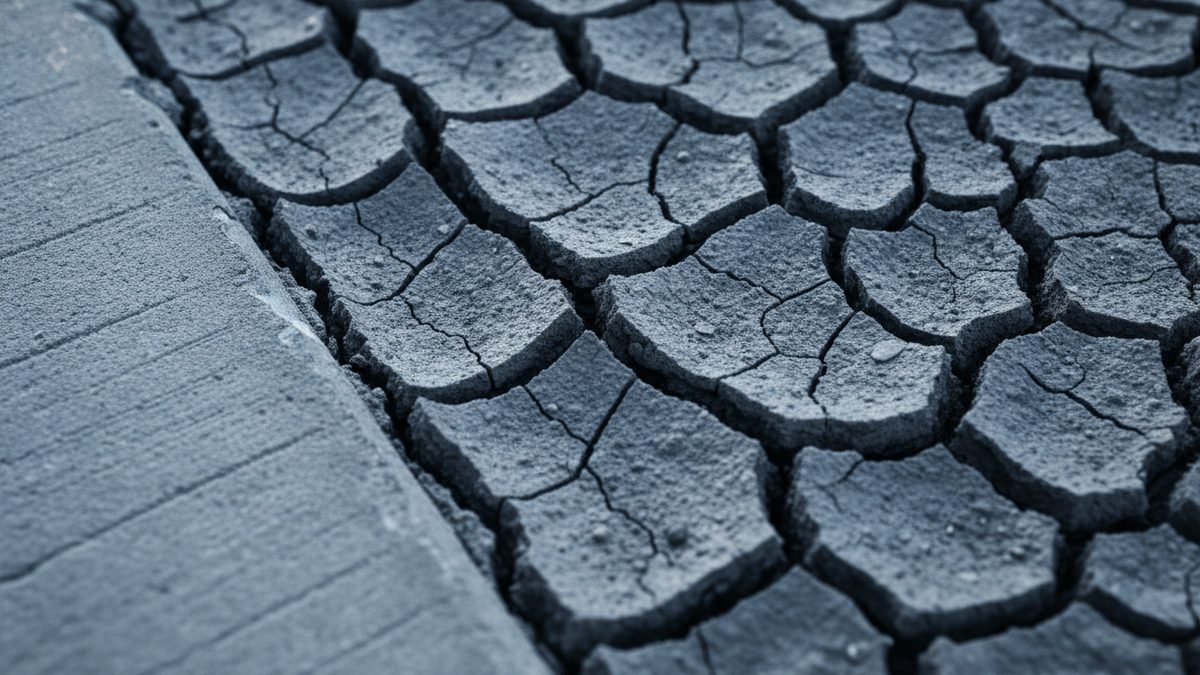
Consolidation, heave or collapse: four mechanisms, one crack
Load-driven consolidation, expansive-clay heave, collapse on first wetting and uncompacted fill produce similar cracking and have opposite implications. Soil properties separate them; cracks do not.

Polymers, Plastics & Composites
Classifying a bond fracture: adhesive, cohesive or substrate
Where a bonded joint separates is the first and most consequential observation in the investigation. ASTM D5573 gives the vocabulary, and the percentages usually decide which party the inquiry moves toward.
Structural & Civil
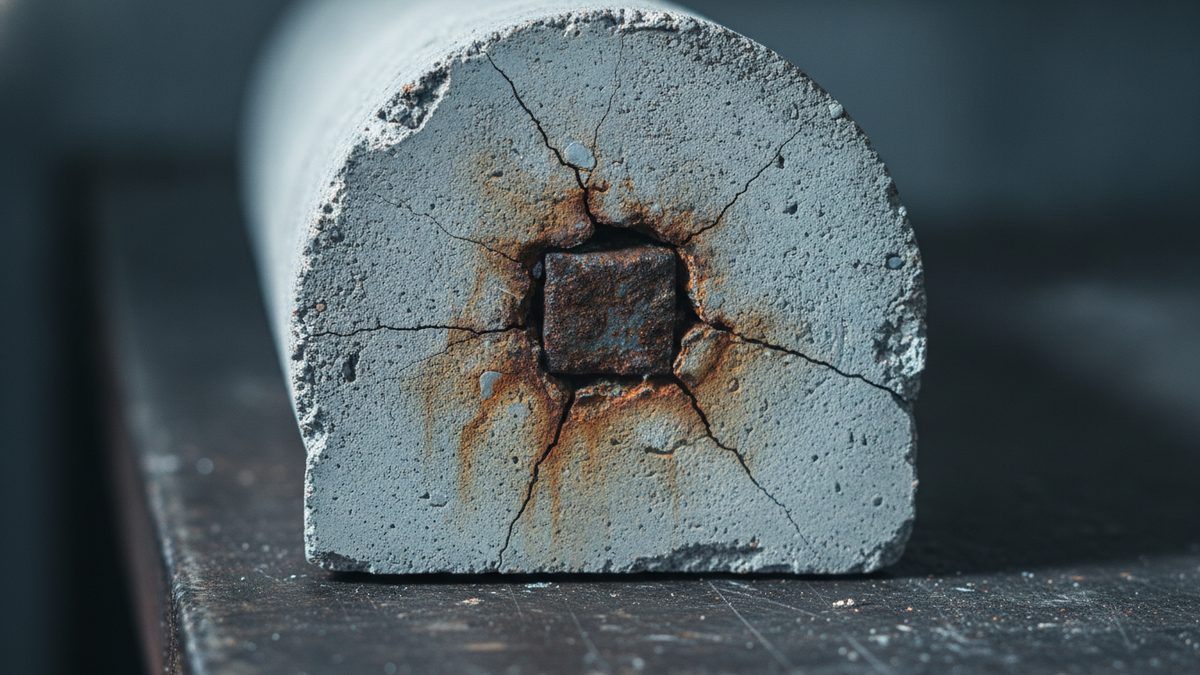
Chloride profiling and when the corrosion actually started
Chloride reaches reinforcement by diffusion, at a rate that can be measured and projected. The profile, read against cover depth, is what dates the onset of corrosion in a concrete structure.
Mechanical & Component
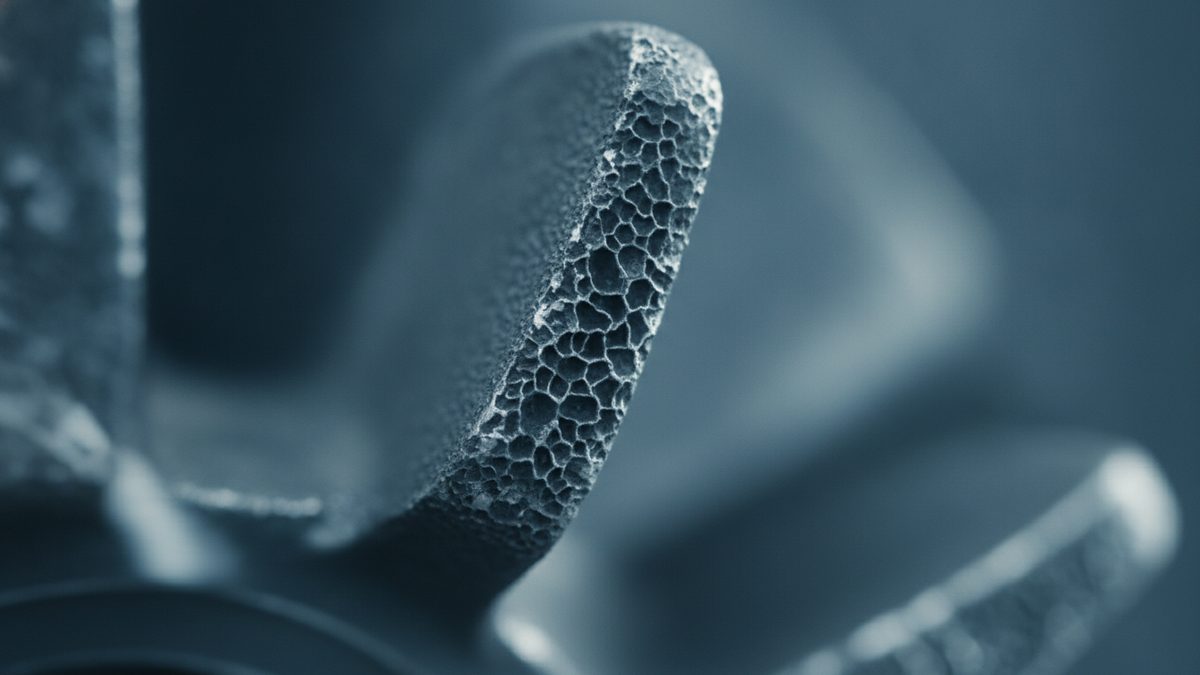
Cavitation, recirculation or erosion: reading the damage
Metal missing from an impeller can mean cavitation, recirculation, abrasive erosion or chemical attack. Each points somewhere different, and location separates them better than texture alone.

Biomechanical & Medical Device
When a fixation plate breaks: fatigue life against healing time
Trauma fixation hardware has a finite fatigue life and is meant to be relieved of load by healing bone. When it breaks, the fracture surface usually says more about union than about metal.
Structural & Civil
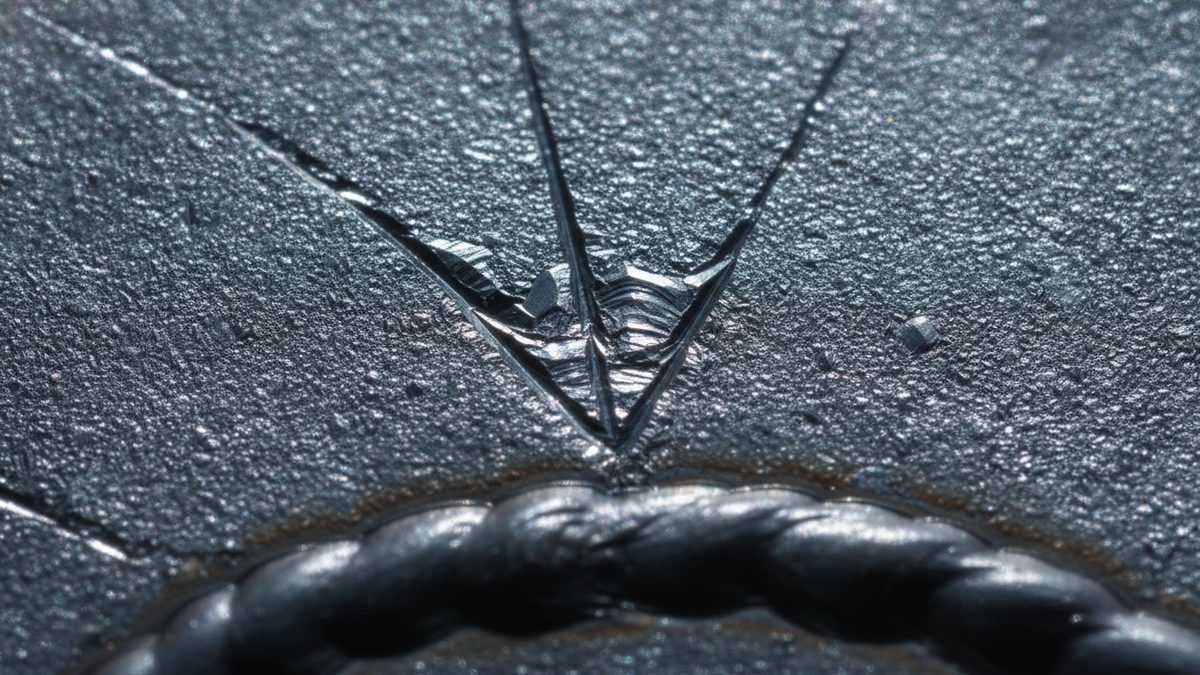
Brittle fracture at a moment connection: toughness and restraint
Structural steel is ductile until geometry, temperature and restraint conspire to make it behave otherwise. A brittle fracture at a welded joint is usually the product of all three at once.
Polymers, Plastics & Composites
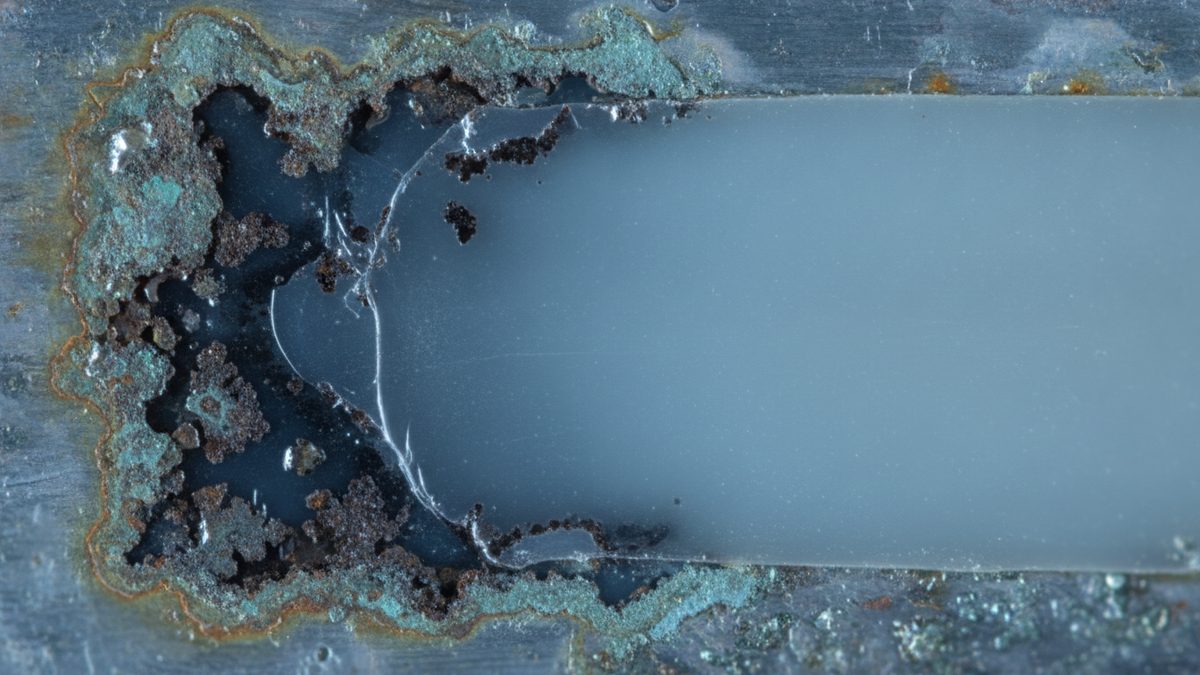
Bonds that fail years after they passed qualification
A joint that met every acceptance test and released after years in service points to durability rather than initial strength. How moisture works into a bondline, and what distinguishes aging from a latent defect.
Structural & Civil
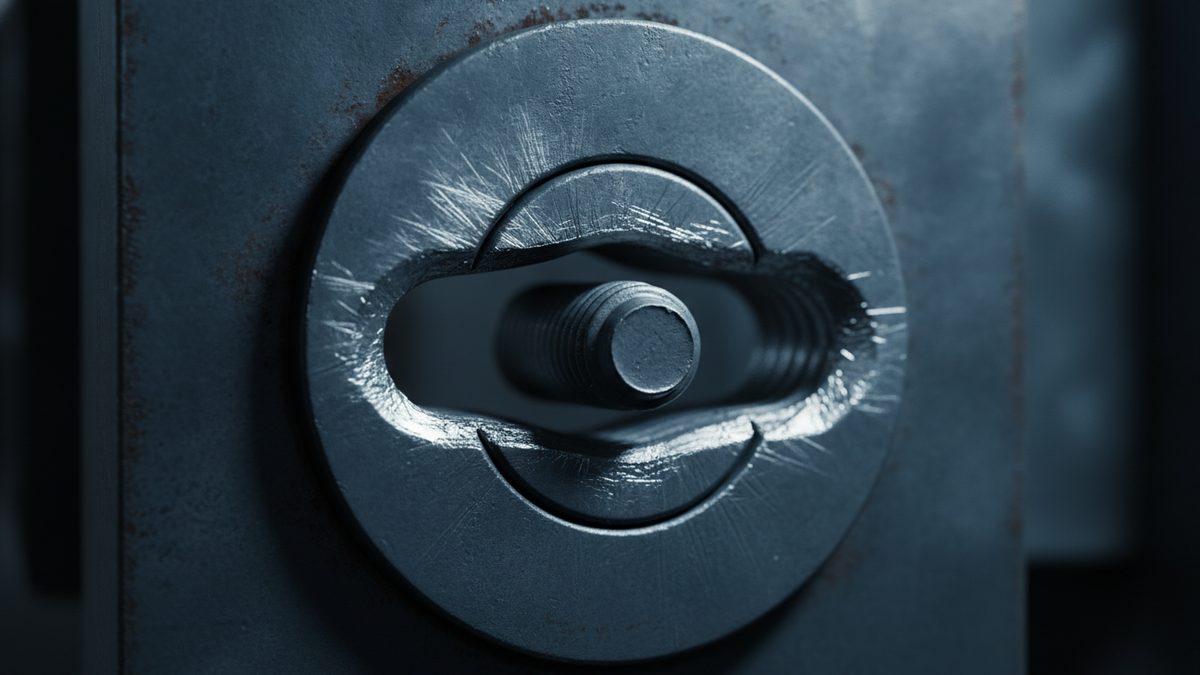
Bolted joints: pretension, slip and what torque does not prove
A high-strength bolted joint depends on the clamping force in the bolt, not the torque used to install it. The two are related by friction, which is why installation method and inspection records matter.

Electrical, Electronics & Batteries
Hidden joints: BGA voiding, head-in-pillow and what X-ray shows
Area-array packages hide every joint under the component. The defects that matter there are invisible to inspection and often pass electrical test at room temperature.
Polymers, Plastics & Composites
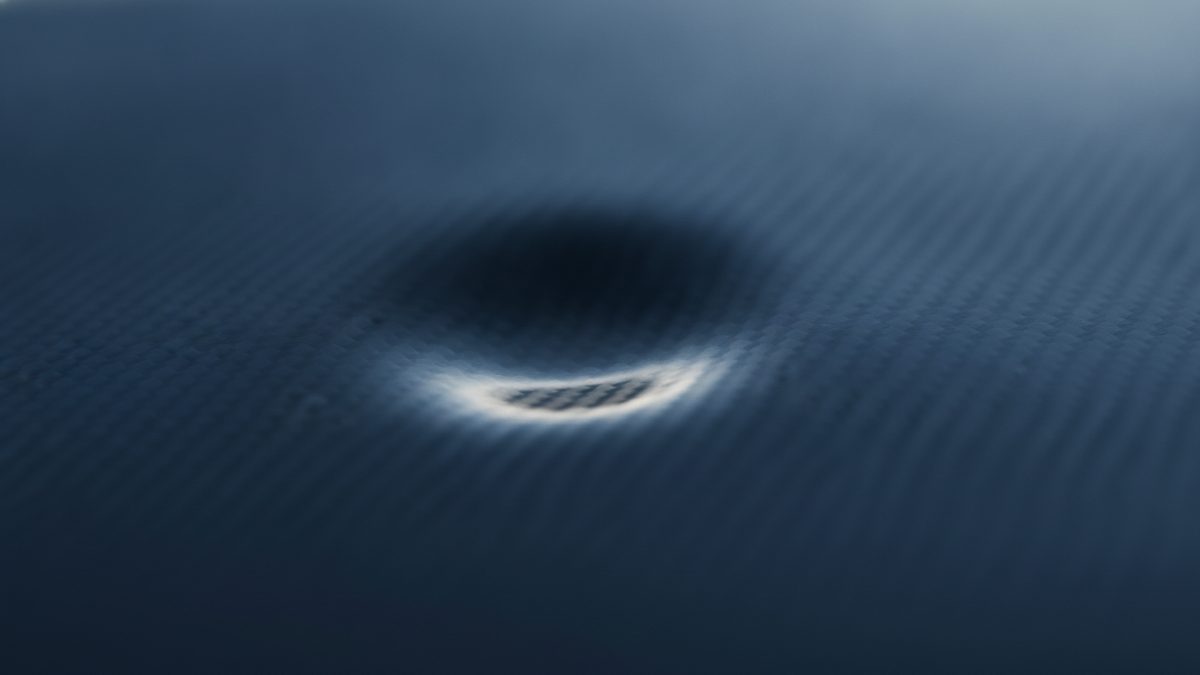
Barely visible impact damage and what visual inspection misses
A dropped tool can cost a laminate a large fraction of its compression strength and leave almost nothing on the surface. Why BVID defeats visual inspection, and what actually finds it.
Structural & Civil
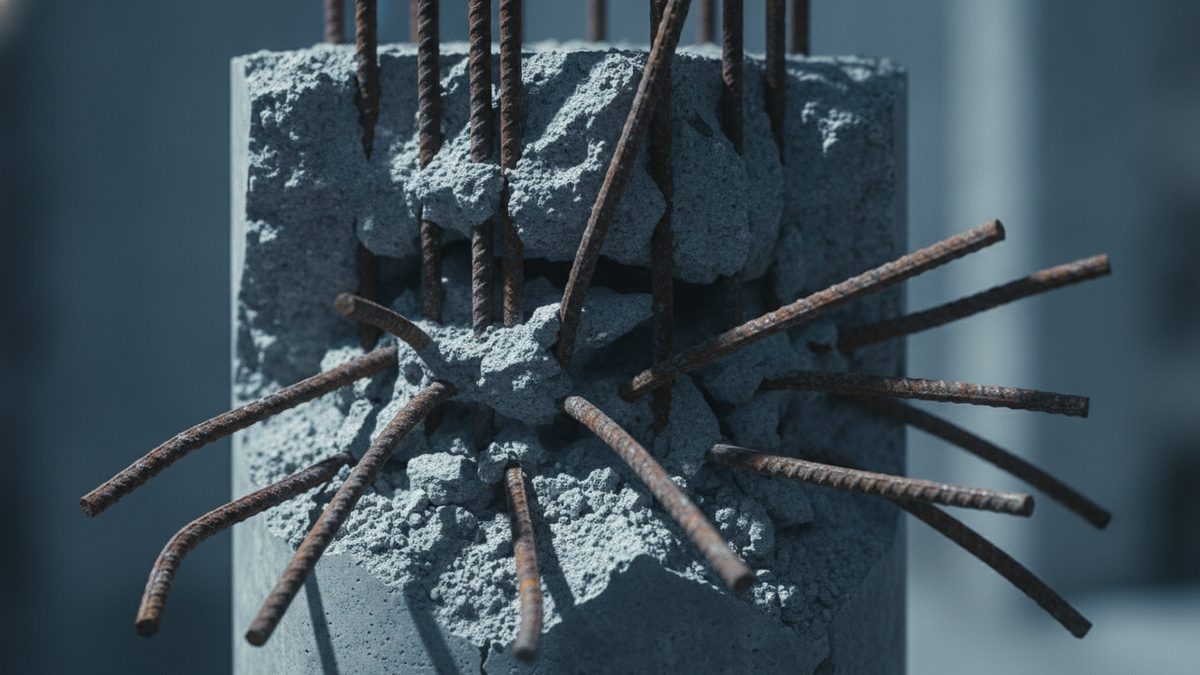
Back-analysis: finding which element failed first
A collapse produces far more damage than its cause. Structural back-analysis works from the surviving evidence to identify which single failure is consistent with everything that followed.
Mechanical & Component
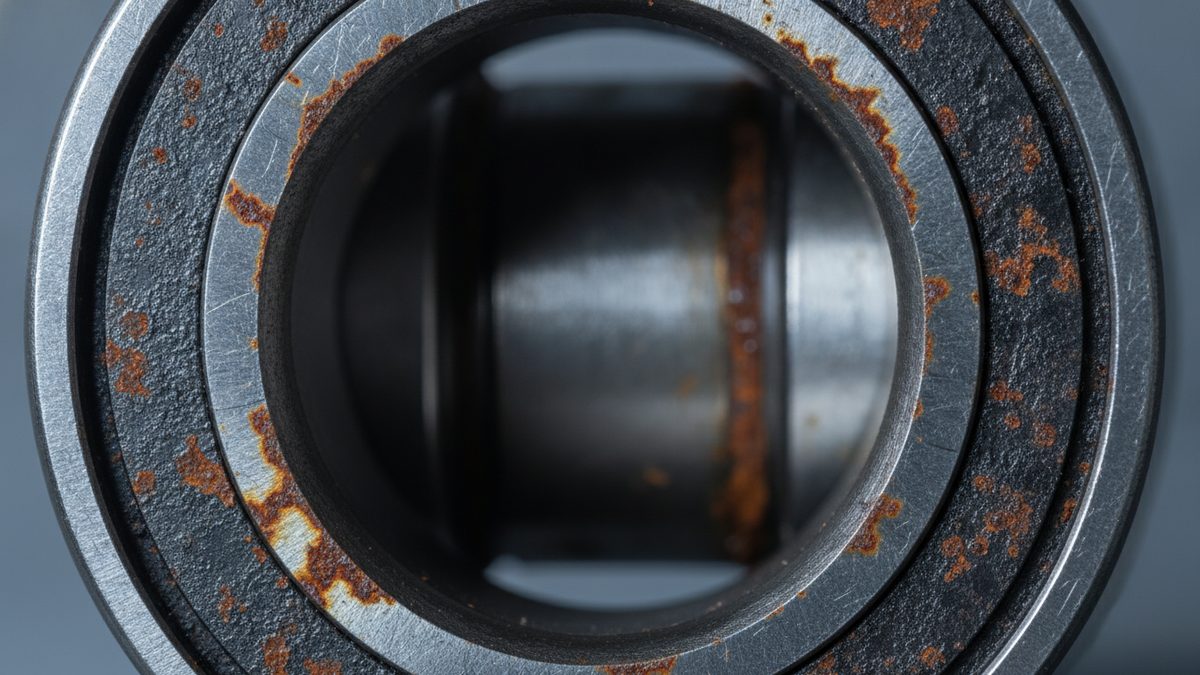
Design, installation, maintenance or environment: attributing an early bearing failure
When a bearing fails well short of its rated life, four explanations compete and each points at a different party. The evidence separating them is largely distinct.
Structural & Civil
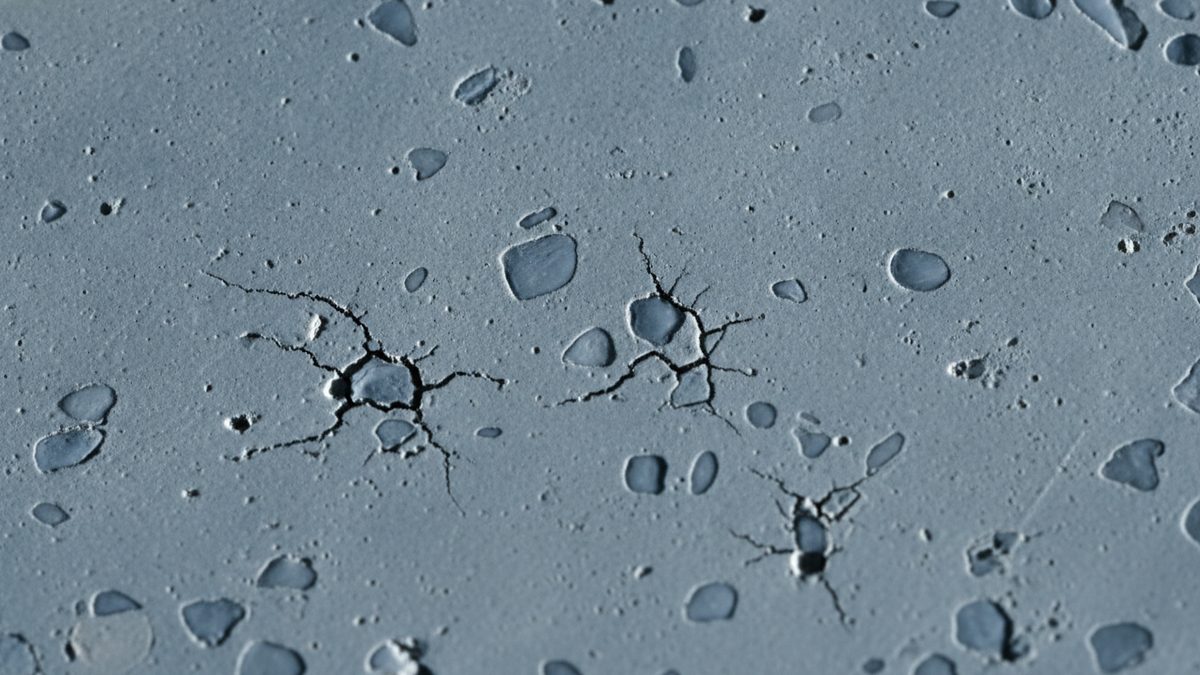
ASR, sulfate attack or freeze-thaw? Petrography settles it
Map cracking on a concrete surface is consistent with several unrelated mechanisms that call for different remedies and implicate different parties. Thin-section examination distinguishes them directly.

Structural & Civil
As erected, not as designed: scaffold bracing and base support
A scaffold's capacity depends on bracing, plumbness, tie spacing and what the base plates sit on. Each is decided during erection, and each is routinely compromised in ways that look minor.

Structural & Civil
As-designed, as-detailed, as-built: where connections diverge
A structural connection passes through several hands between the design calculation and the finished joint, and it can change at every step. The paper trail is usually where the failure is found.
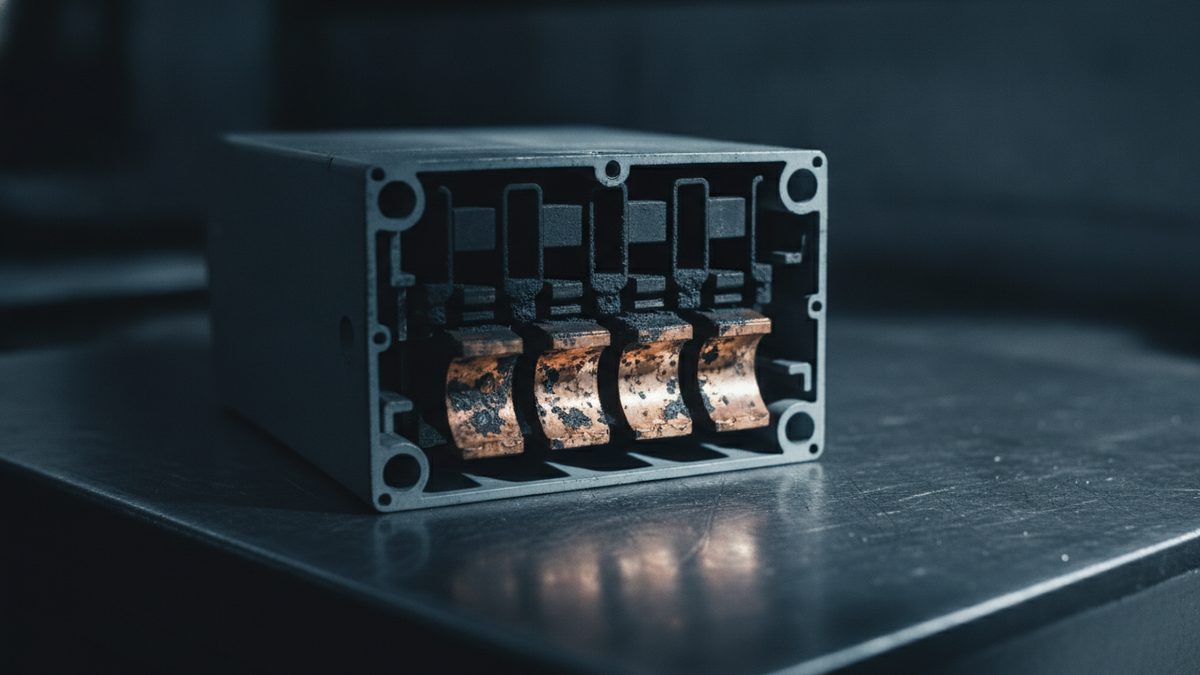
Electrical, Electronics & Batteries
Why the protection did not clear the arc in time
Incident energy scales with how long the arc burns, so the protective device is usually the difference between an incident and a catastrophe. Its as-found condition is evidence.

Electrical, Electronics & Batteries
Labels, permits and the paperwork an arc flash is judged by
Most arc-flash matters turn less on physics than on documents: whether the study was current, the label correct, the boundary right, and the energized work authorized.
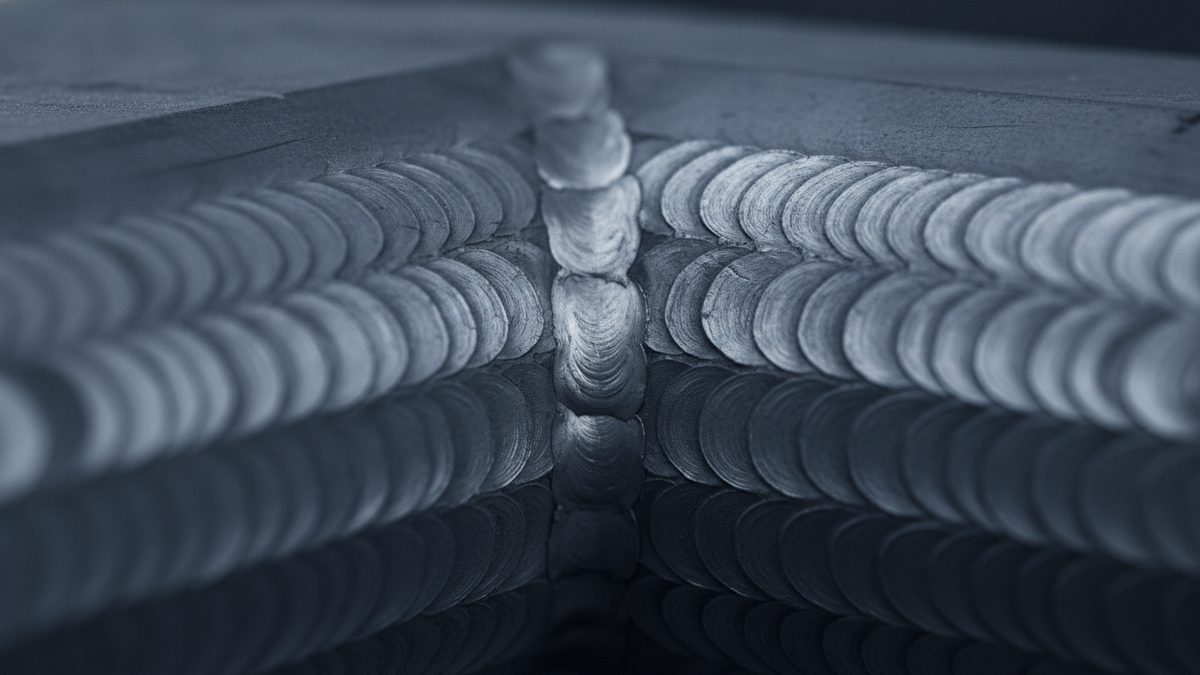
Materials & Metallurgical
WPS, PQR and what the welded joint remembers
Welding procedure, qualification record and welder credential are examined twice — once for internal coherence, and once against the metallurgy of the joint, which keeps its own record of what happened.
Geotechnical & Foundations
Working backward from a factor of safety of one
Back-analysis takes the failure itself as the datum and solves for the strength that must have been mobilized. It is the most direct evidence available — and a model built largely from inference.
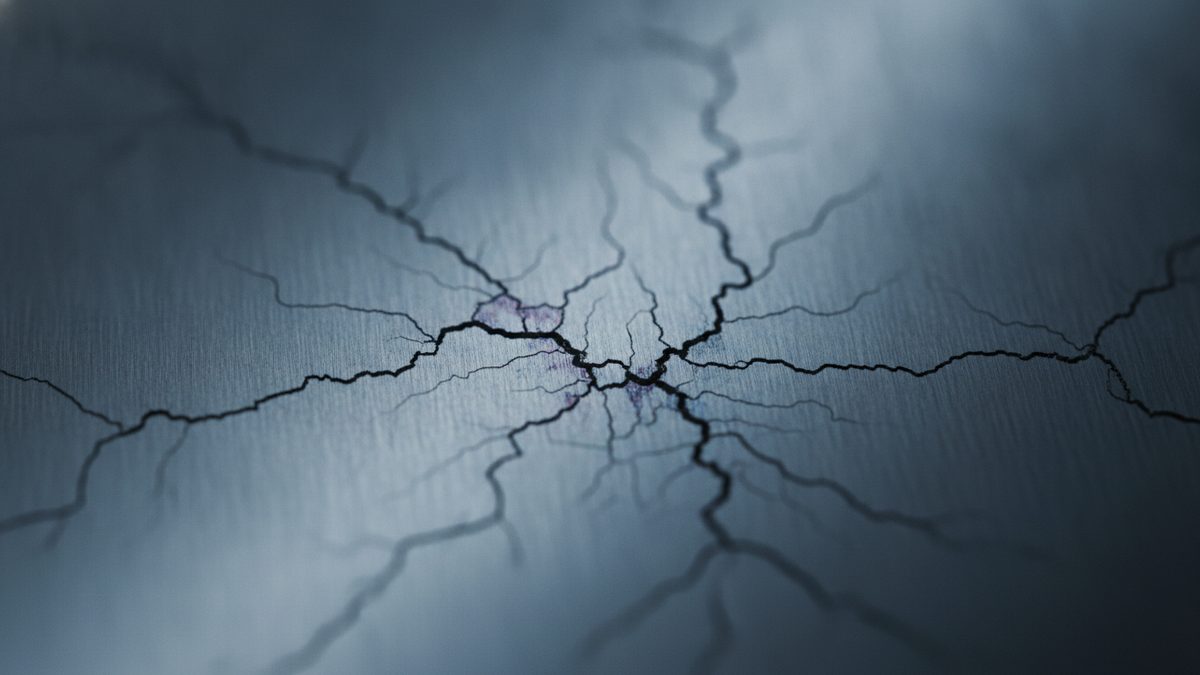
Materials & Metallurgical
Why stress-corrosion cracking needs three conditions at once
SCC requires a susceptible alloy, a sustained tensile stress and one specific environment, all at once. That structure makes it a specification question as much as a metallurgical one.
Materials & Metallurgical
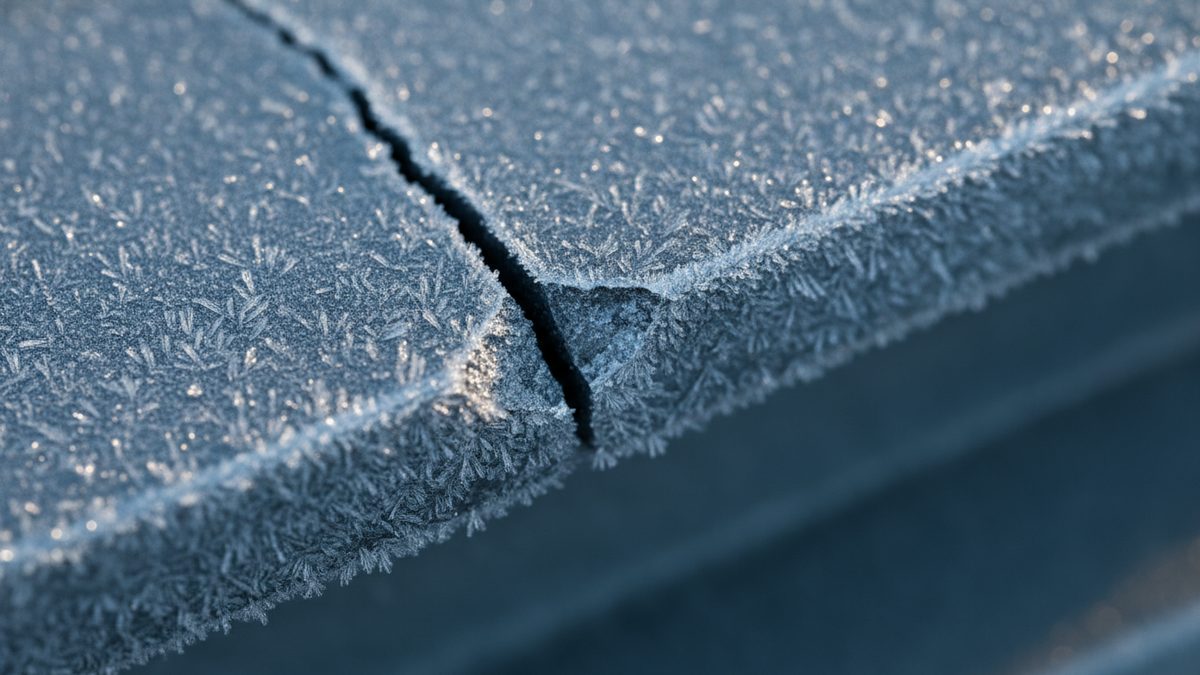
Why a structure fails on the coldest morning of the year
Steel that carried its load all summer can break with no warning at dawn in January. The ductile-to-brittle transition explains why, and a Charpy curve only partly answers it.
Materials & Metallurgical
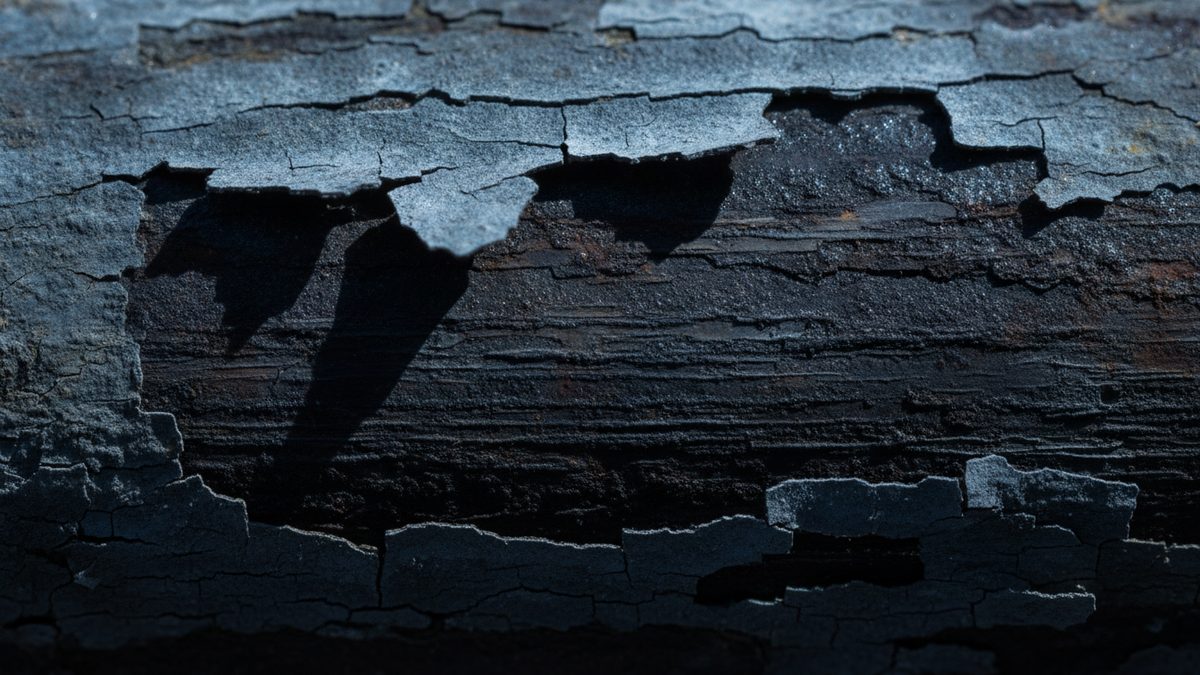
What wire-brushing a corroded pipe destroys
In a corrosion failure the scale and deposits are not debris covering the evidence. They are the evidence. Blasting, brushing or acid descaling before examination removes the record of the mechanism.

Materials & Metallurgical
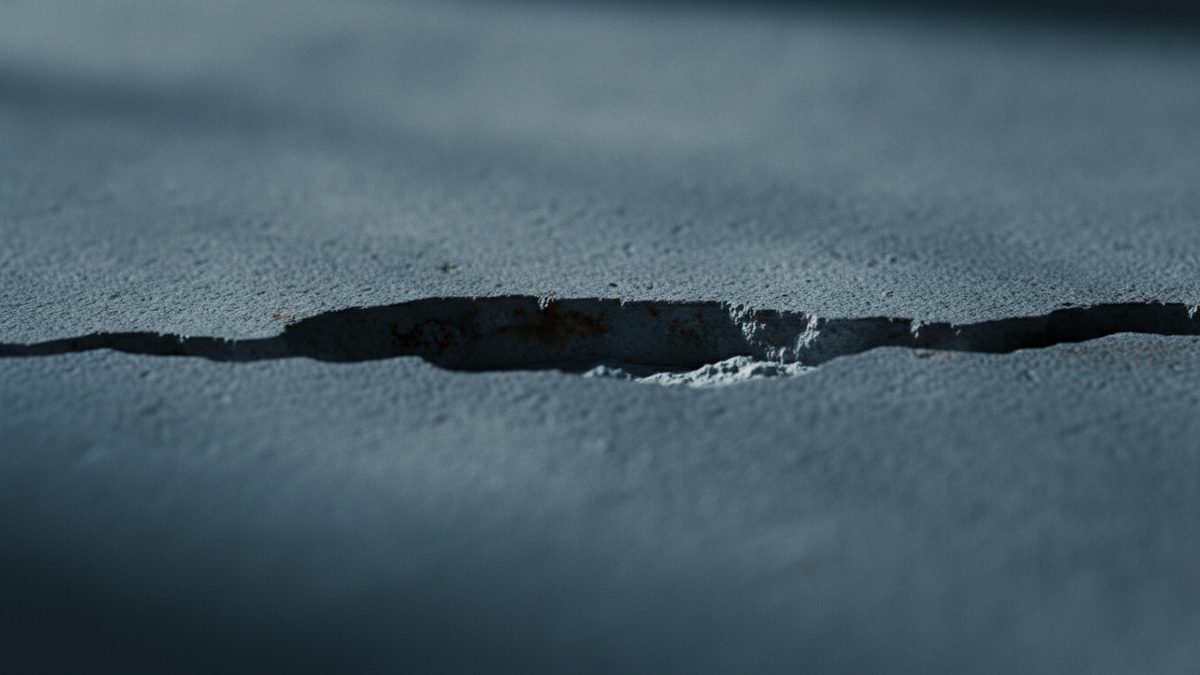
Was it the alloy or the environment it was put in?
Galvanic couples, area ratios, coating breaches, deposits and biofilms all accelerate corrosion locally. Each points at a different decision — material selection, coating spec, or how the asset was run.
Geotechnical & Foundations
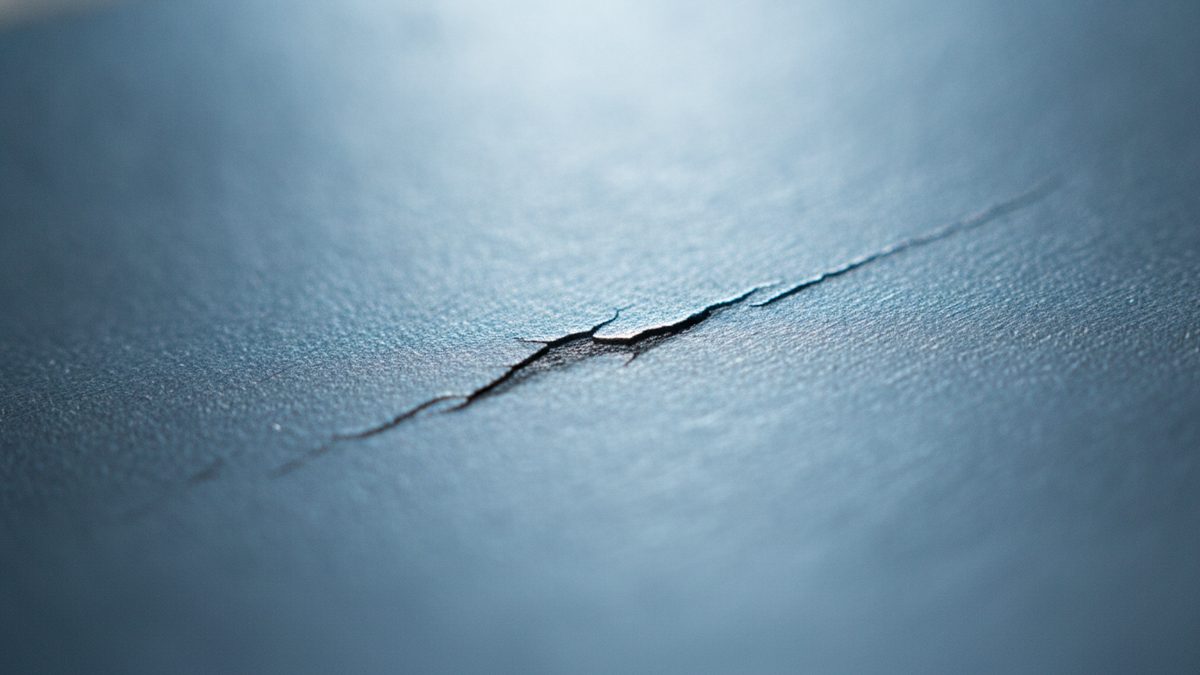
Void-related distress or ordinary building movement
Cracked walls and out-of-level floors have many causes and only one of them involves a subsurface void. The differential diagnosis is what most sinkhole disputes are actually about.
Materials & Metallurgical
Tracing where the hydrogen came from
The fracture looks much the same whether the hydrogen arrived from a plating line, a welding consumable, a cathodic protection system or a sour well. The source is what decides who is exposed.
Polymers, Plastics & Composites
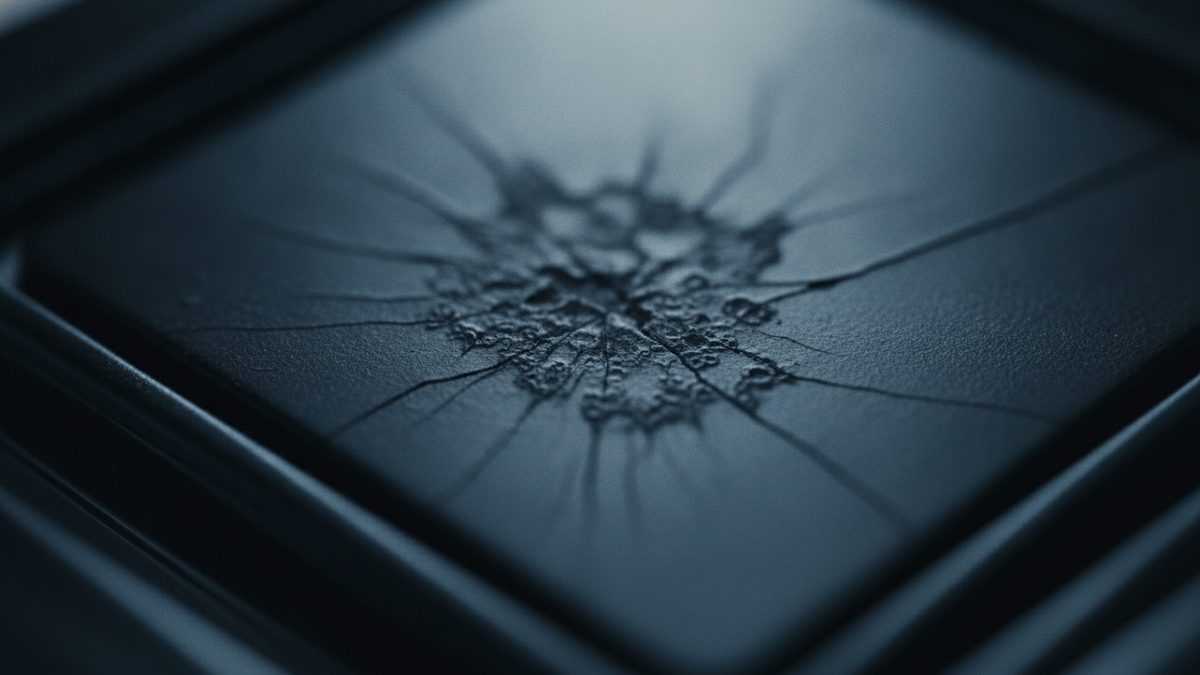
Solvation, hydrolysis, oxidation: three different failures
Chemical attack is not one process. Solvation, extraction, hydrolysis and oxidation are chemically distinct, leave different signatures, and each implies a different exposure history.

Materials & Metallurgical
Residual stress: the tensile load nobody designed in
Welding, forming, machining and assembly fit-up lock tensile stress into a component. It is enough on its own to drive stress-corrosion cracking, which puts fabrication records at the center of the case.
Geotechnical & Foundations
Residual strength and the slope that already failed once
Soil sheared to large displacement keeps only a fraction of its original strength. Why a hillside can stand for decades and then move under no new load, and what that asks of a site investigation.
Materials & Metallurgical
Rated fatigue life against the actual duty cycle
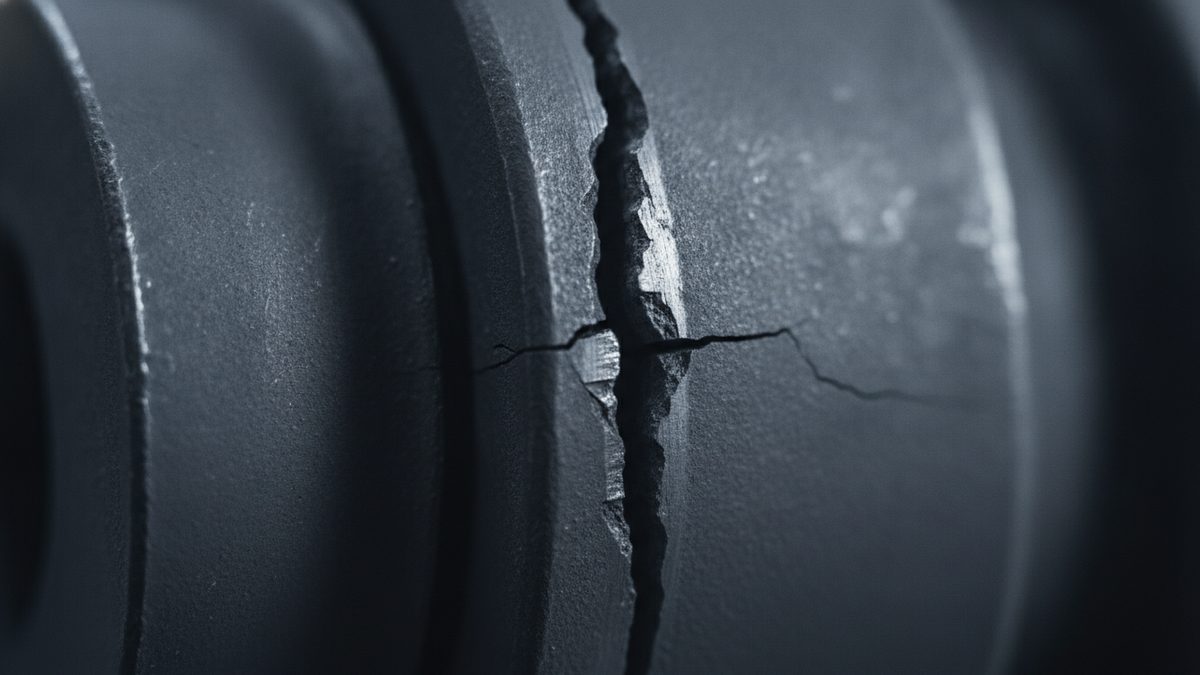
A part that fails before its rated life is a claim about loading assumptions as much as about metal. How high-cycle, low-cycle, corrosion and thermal fatigue relate to a stated design life.

Materials & Metallurgical
Proving it after the hydrogen has gone
Hydrogen diffuses out of a fractured part, so the one direct measurement decays with time. Fracture morphology, hardness and exemplar testing are what remain, and each has limits worth stating.

Polymers, Plastics & Composites
Proving chemical degradation, not just detecting a chemical
Identifying the chemical on a failed part and proving it caused the failure are two separate tasks. What FTIR, thermal analysis, molecular weight and controlled exposure each establish.

Geotechnical & Foundations
One mechanism, four routes: how water triggers a slope failure
Rainfall, irrigation, a leaking utility and regraded drainage all destabilize a slope the same way — by raising pore pressure. Timing evidence is what separates one route from another.
Materials & Metallurgical
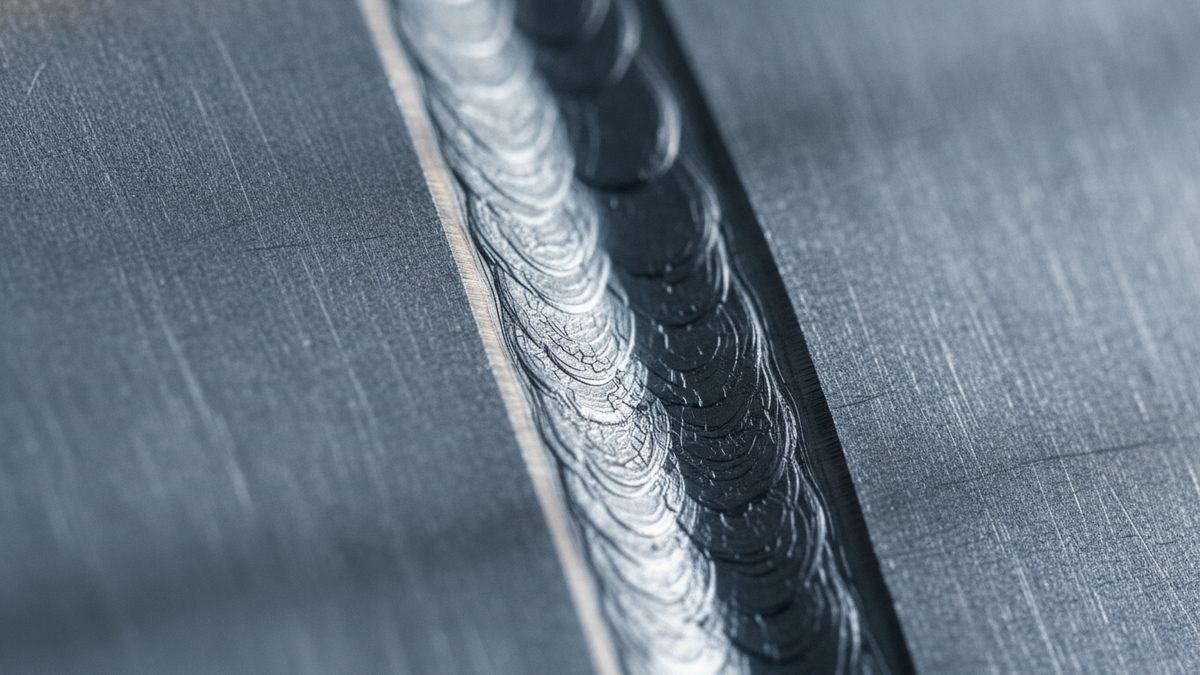
The heat-affected zone: the metal that was never melted
The weld deposit is often the strongest part of a welded joint. Failures frequently run through the narrow band of base metal beside it — never molten, but metallurgically rewritten by the arc.
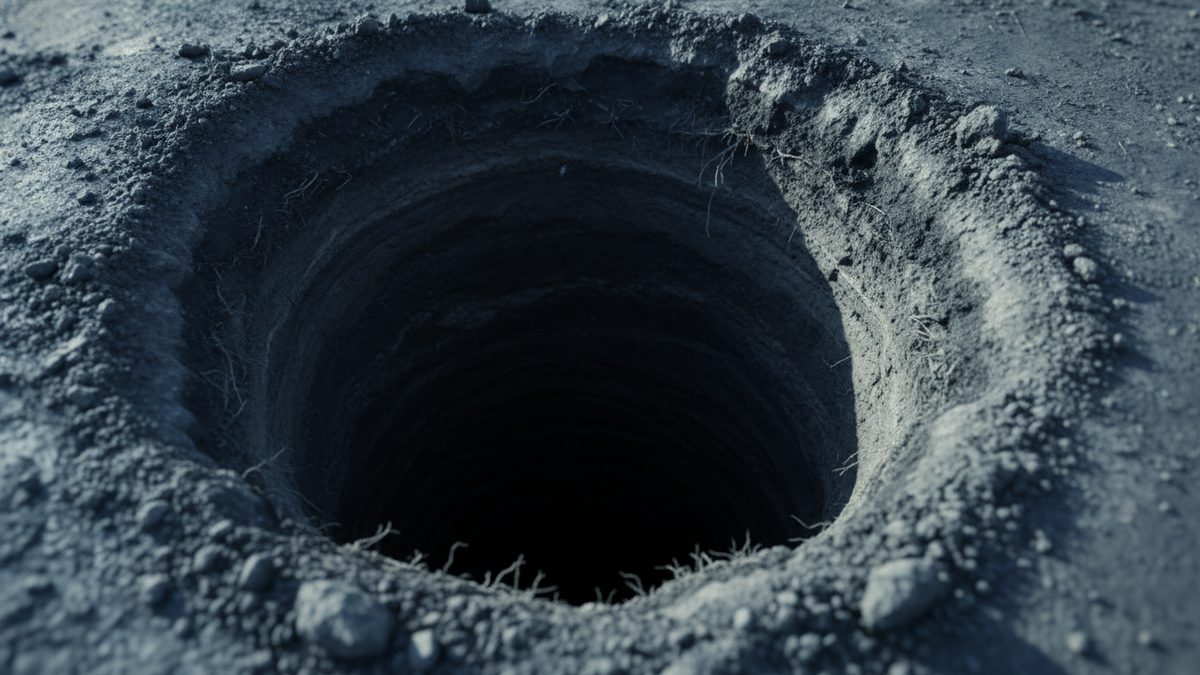
Geotechnical & Foundations
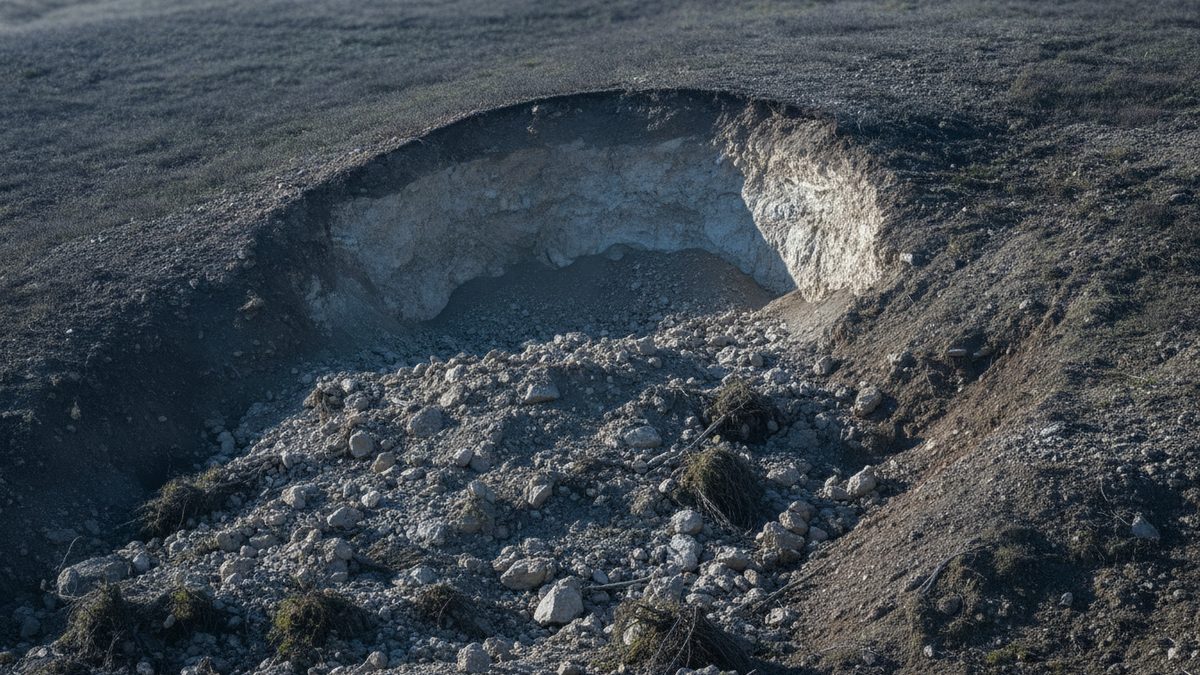
The ground-loss mechanisms behind a sudden depression
Dissolution, raveling and subsidence are three different processes, and several non-karst mechanisms produce the same hole in the ground. The distinctions live below grade, not at the surface.

Geotechnical & Foundations
Geophysics screens, borings confirm: sequencing a void investigation
Geophysical surveys narrow where to drill; they do not prove a void exists. What each method resolves, and what a clean survey does and does not rule out, is most of the argument.
Materials & Metallurgical
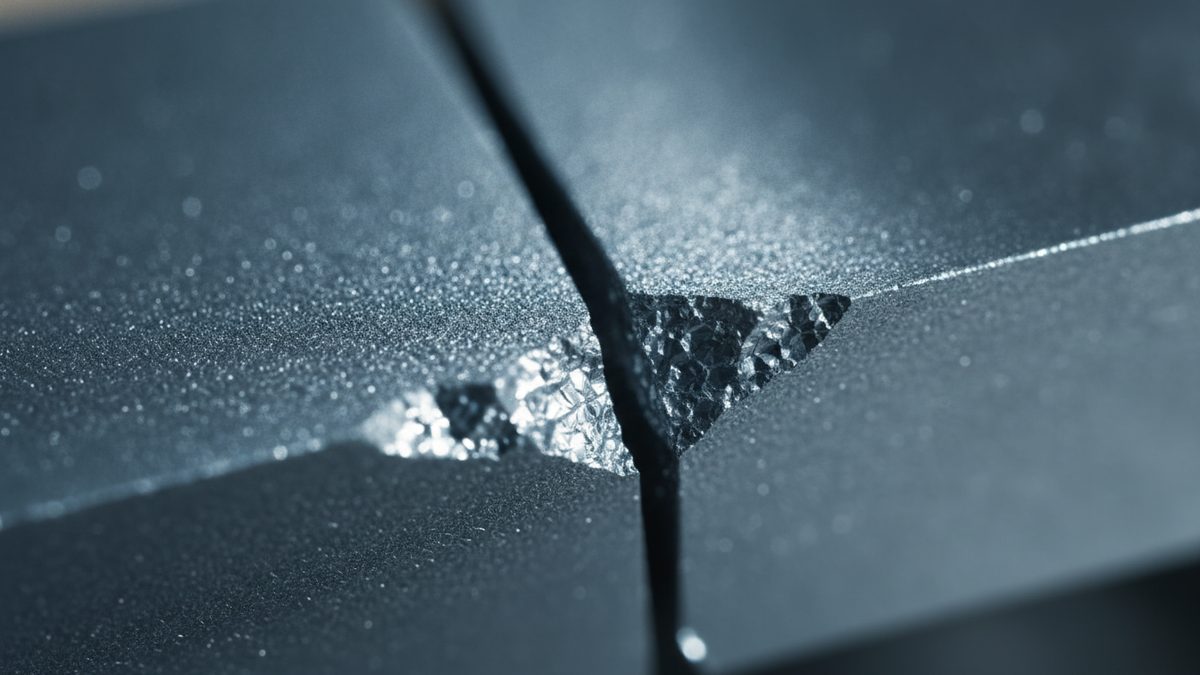
Why it failed weeks after it passed inspection
Hydrogen cracking needs time under sustained load, so a clean inspection and a brittle fracture weeks later are entirely consistent. The timeline, and the bake record, become the argument.
Materials & Metallurgical
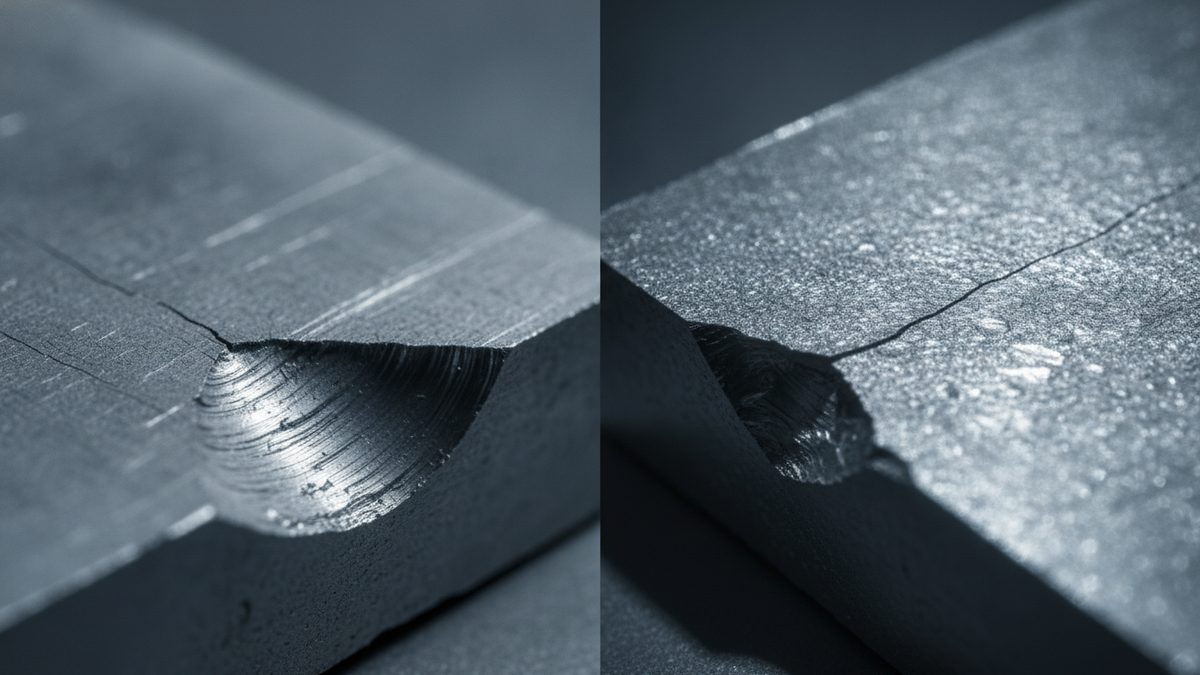
Ductile or brittle is a behavior, not a material
The same steel tears in one circumstance and shatters in another. Temperature, rate, constraint and thickness decide which, and the fracture surface records the answer.
Materials & Metallurgical
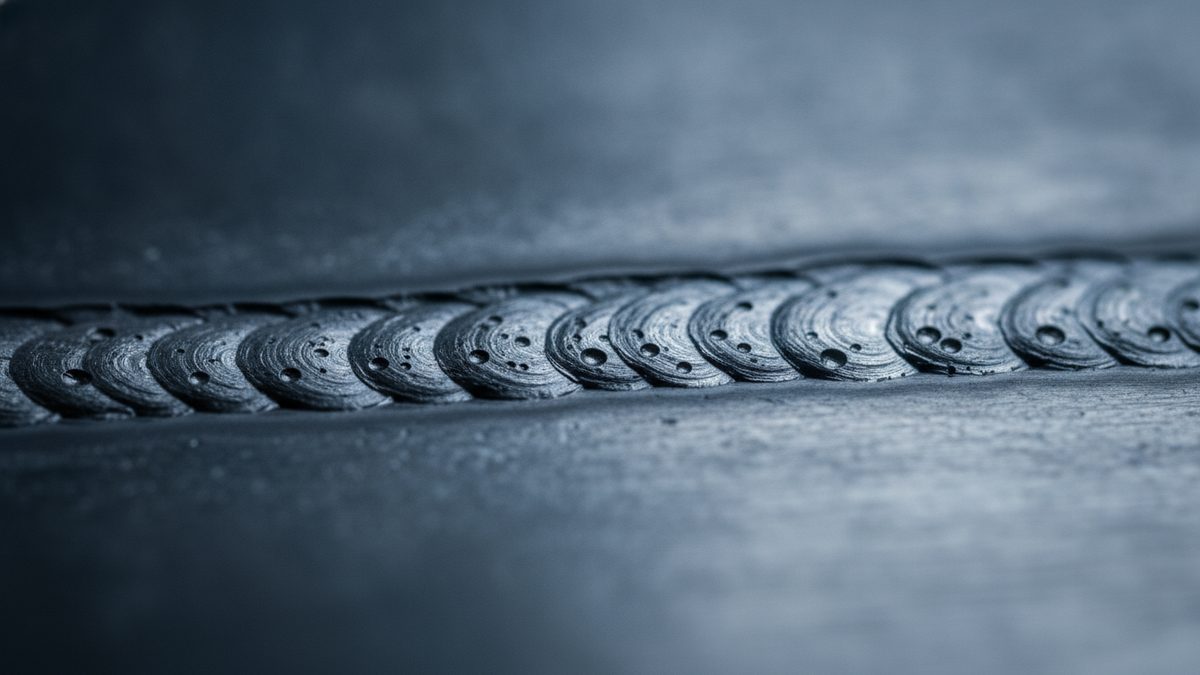
Discontinuity or defect: who decides a weld is rejectable
Porosity, slag, undercut and lack of fusion are discontinuities. Only the acceptance criteria of the governing code make one a defect — and only the inspection actually performed could have found it.

Materials & Metallurgical
Dating a crack from what the fracture surface recorded
Beach marks record interruptions in service; striations record individual cycles. Both are evidence of a crack's history, and both are routinely overread. What a fatigue fracture surface can and cannot date.
Materials & Metallurgical
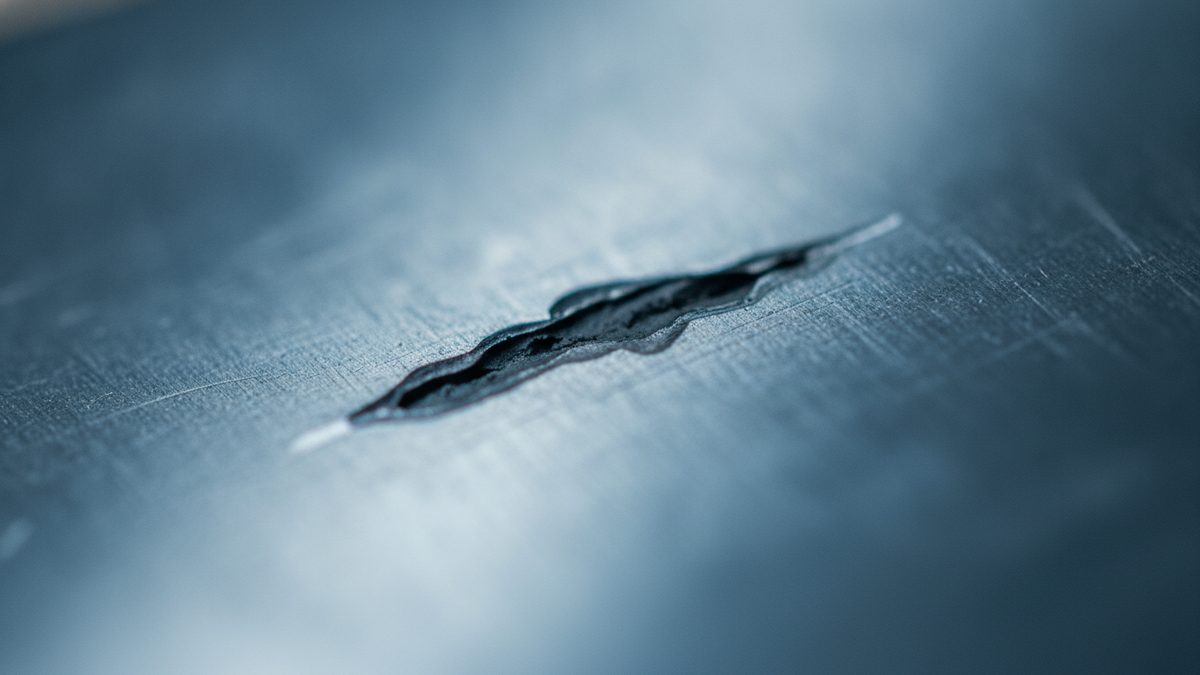
Critical flaw size, toughness and stress: three linked quantities
Fracture mechanics ties flaw size, material toughness and applied stress together. Fixing two of them settles the third, which is how a defective part is separated from an overloaded one.
Materials & Metallurgical
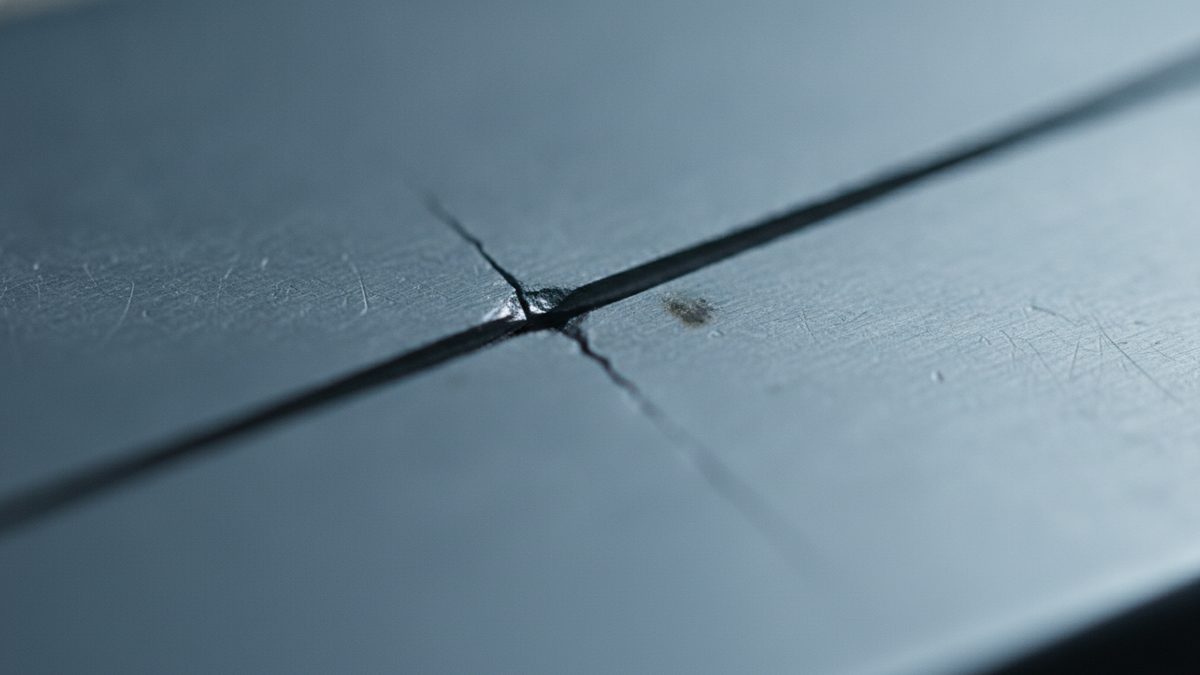
Crack initiation is where the answer usually is
Most of a fatigue life is spent starting the crack, not growing it. That makes the initiation site — a machining mark, an inclusion, a pit, a fretting scar — the part of the fracture that holds the answer.
Polymers, Plastics & Composites
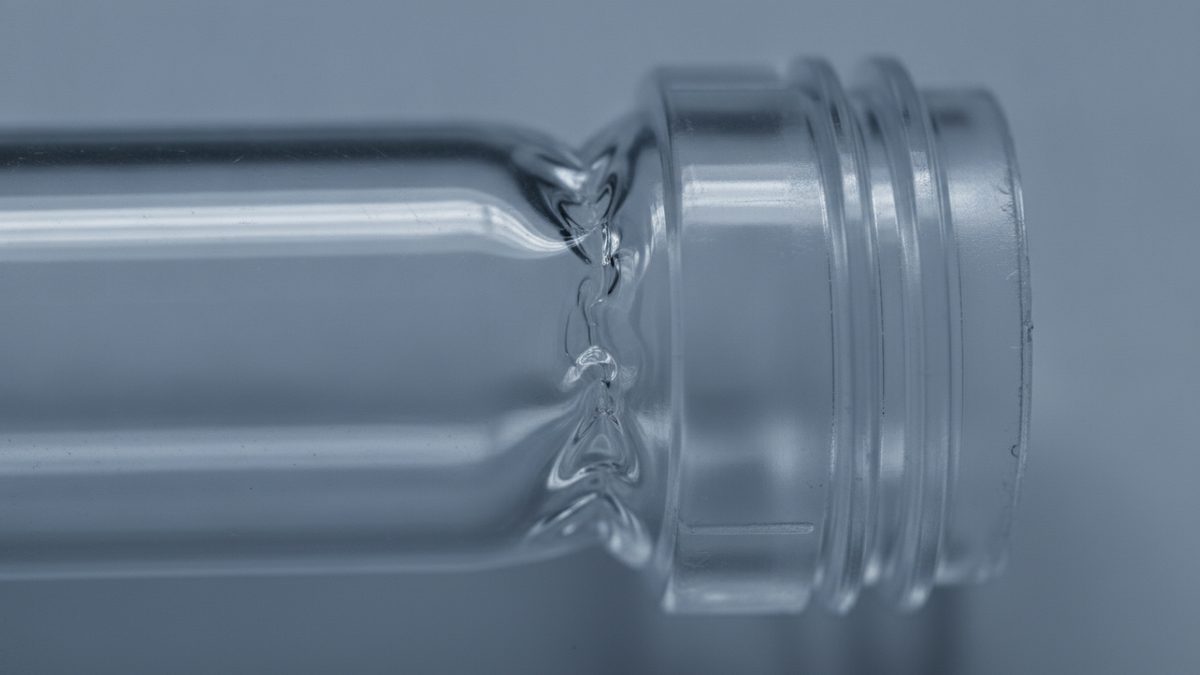
The gap between a compatibility chart and a service condition
Chemical resistance data is generated at one concentration, one temperature and no applied stress. Most compatibility disputes live in the distance between that test and the part in service.
Materials & Metallurgical
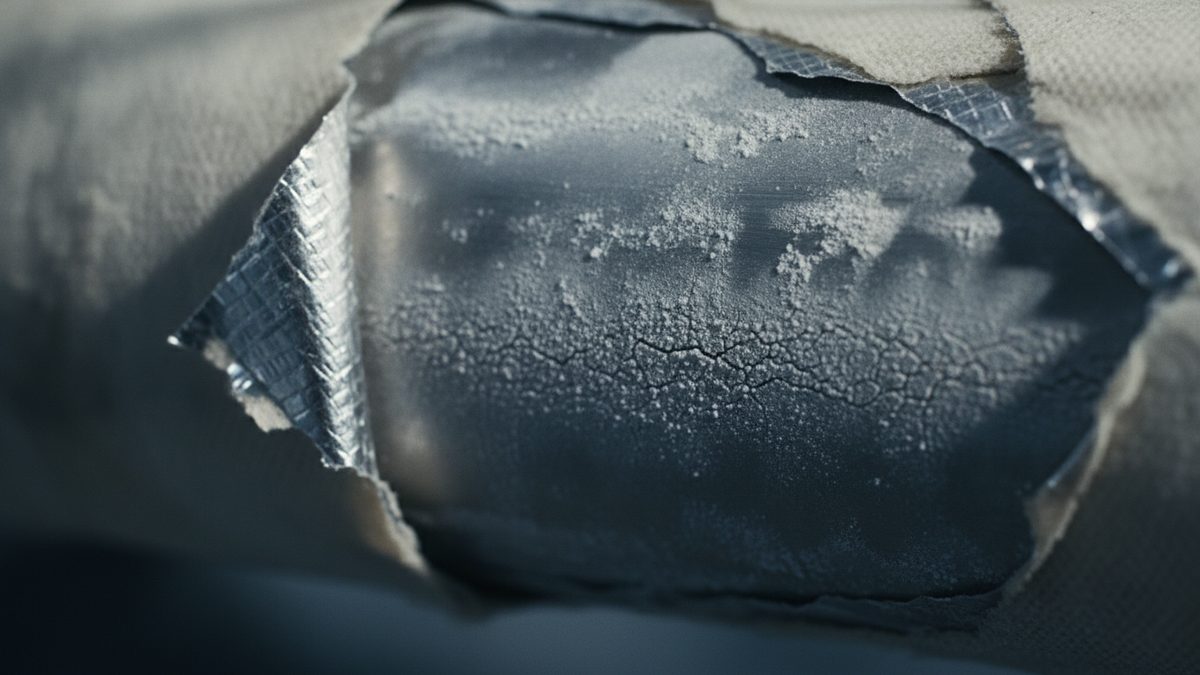
Recognizing stress-corrosion cracking, and reading the environment
SCC shows as branched cracking with almost no section loss, and each environment leaves its own signature. A chloride level that looks harmless in the bulk can concentrate to an aggressive one at the surface.

Materials & Metallurgical
Average wall loss and the single pit problem
General corrosion is an allowance and inspection question. Pitting and crevice attack perforate a wall the average calls healthy — and the two are measured, rated and reported by different rules.

Fire & Explosion
Utility ignition: what the hardware and the fault data show
Where a wildfire is attributed to electrical infrastructure, the conductors, the hardware and the operator's own recorded data usually contain the answer.
Fire & Explosion
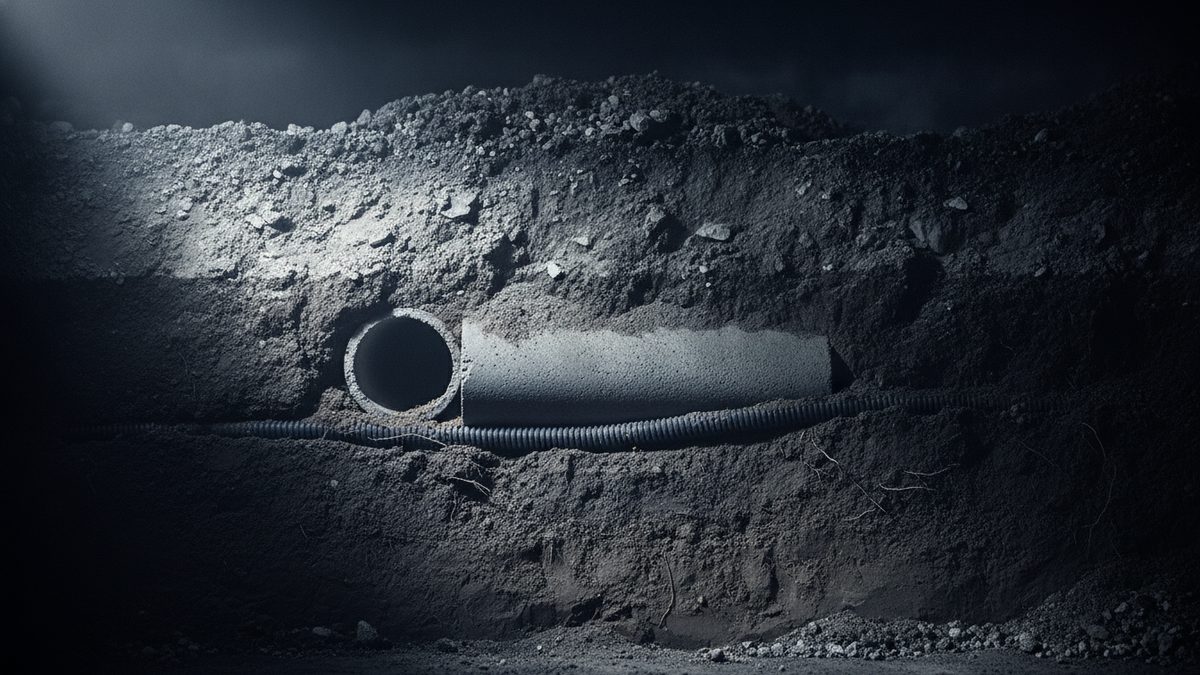
Tracing gas from the leak to the building when the piping is gone
Gas rarely travels from a failed main to a structure in a straight line. Reconstructing the path is often possible even after emergency repairs have removed the evidence.
Fire & Explosion
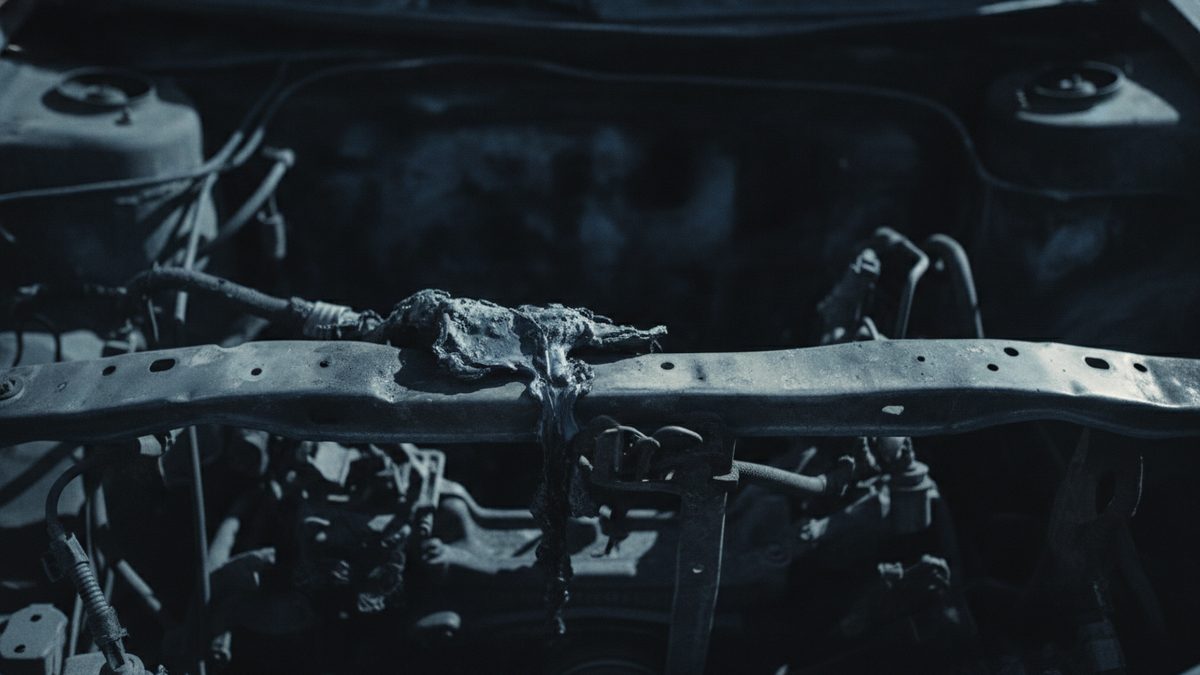
Did the fire start before the collision or after it?
Sequencing a vehicle fire against a collision changes who is responsible for what. The physical evidence and the recorded data usually constrain the order more tightly than either does alone.
Fire & Explosion
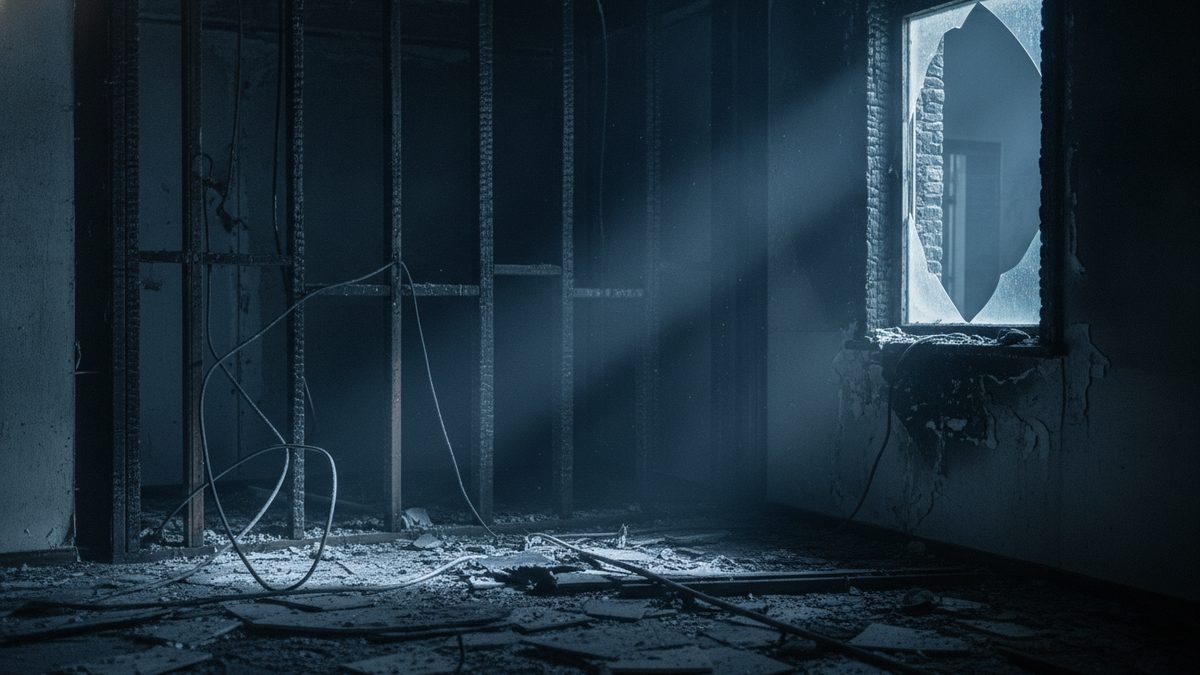
Origin determination after flashover, when the patterns stop cooperating
Flashover degrades the fire patterns that origin determination depends on. What survives, what does not, and how a defensible origin opinion is built when the compartment burned to completion.
Fire & Explosion
Odorant fade and the explosions nobody smelled coming
The most common statement after a gas explosion is that nobody smelled gas. That is often true and rarely exculpatory — several mechanisms strip odorant before it reaches a nose.
Fire & Explosion
Negative corpus, and what NFPA 921 replaced it with
Concluding a cause by eliminating every alternative is not the same as proving it. The distinction between legitimate elimination and reasoning from ignorance is where many cause opinions are lost.

Fire & Explosion
Lightning, holdover, and telling a natural ignition from a human one
Lightning ignitions can smolder for days before they are detected, which puts the strike and the fire on different dates and makes the distinction from human causes less obvious than it sounds.

Fire & Explosion
The two ordinary vehicle fires: fluid on a hot surface, and a chafed harness
Most non-collision vehicle fires trace to one of two mechanisms. Distinguishing them is usually possible, and it determines whether the answer is maintenance, repair work or a manufacturing defect.

Fire & Explosion
Finding a square meter in a hundred thousand acres
A fire that burns a landscape still started at one point. Origin area determination in wildland fire runs backward along the fire's own directional record.

Fire & Explosion
Stranded energy: handling evidence in electric vehicle fires
High-voltage battery fires reignite hours or days after suppression. That behavior is a safety problem, a storage problem and an evidence-preservation problem at the same time.
Fire & Explosion
Deflagration or detonation: what overpressure evidence can and cannot settle
Structural damage after a gas explosion functions as a distributed pressure gauge. Reading it well constrains the event; reading it loosely produces confident conclusions the evidence does not support.
Fire & Explosion
Canine alerts and laboratory confirmation in ignitable liquid analysis
A canine alert is a screening tool that directs sampling. It is not a laboratory result, and the difference between the two is a recurring point of failure in fire investigations.
Fire & Explosion
What a defensible combustible dust hazard analysis has to establish
A combustible dust hazard analysis is written to prevent an incident and then read backward by people looking for what it failed to say. What the standard requires, and where these disputes actually land.
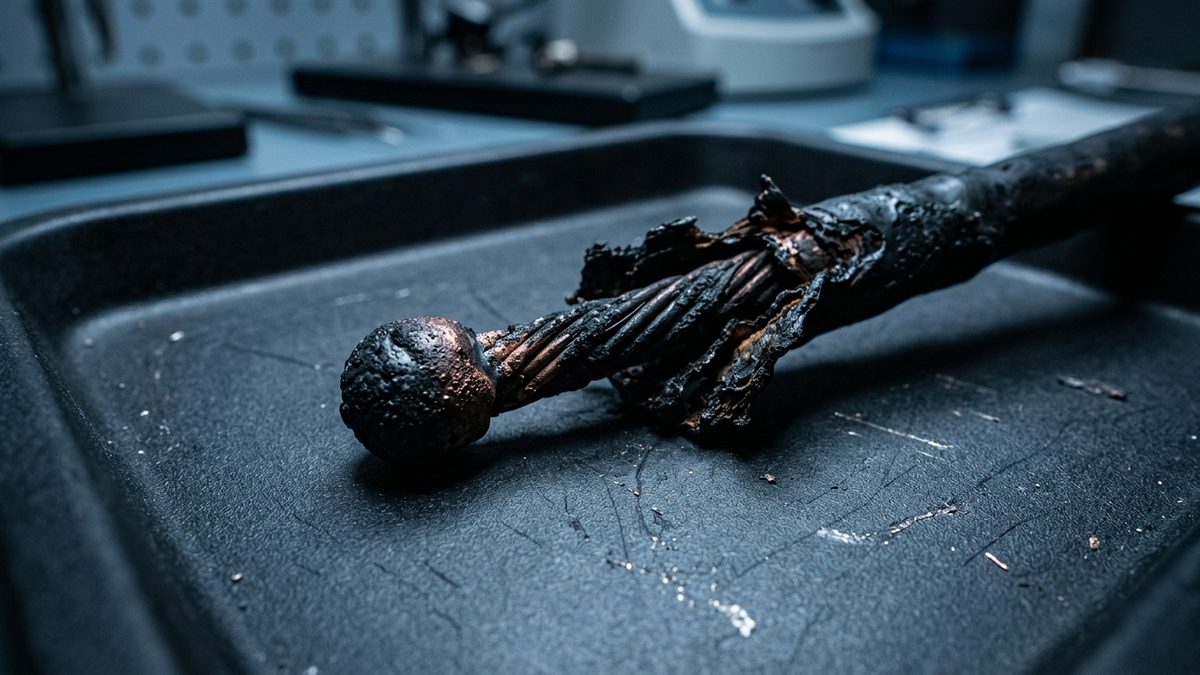
Fire & Explosion
Arcing, overheating, and the limits of what fire patterns can tell you
Fire patterns show where a fire burned longest — not necessarily where it started. Why electrical origin determinations need physical corroboration beyond pattern analysis.
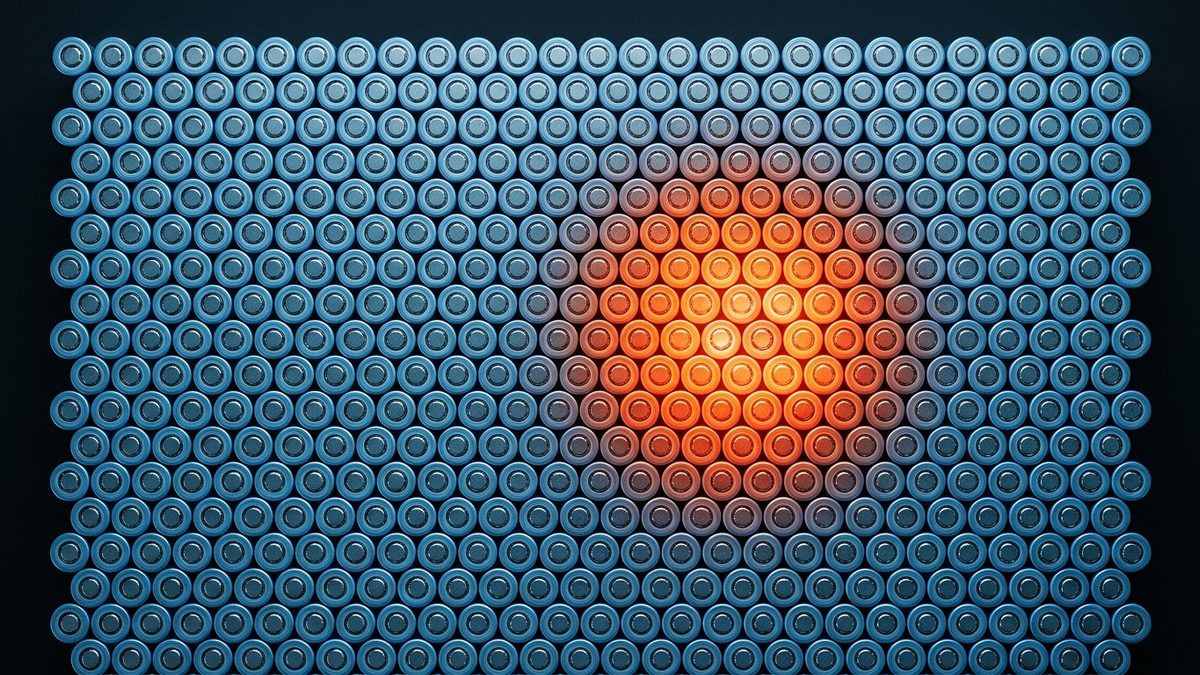
Electrical, Electronics & Batteries
One Cell, Then the Pack: Thermal Runaway Propagation
Whether a single cell failure stays contained or consumes an entire pack is a design question — and after an incident, it becomes the central forensic question.
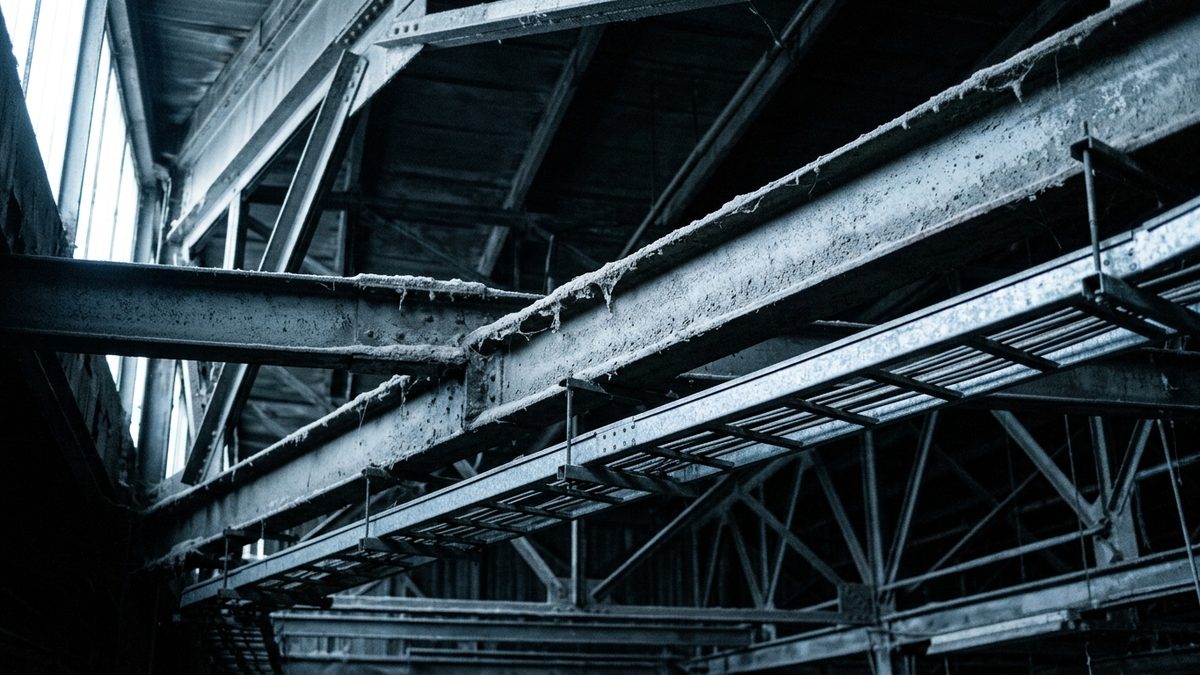
Fire & Explosion
Why the second explosion does the damage
Primary dust deflagrations are usually survivable. The secondary event, fed by accumulation on surfaces no process drawing shows, is what levels facilities — and it is largely a housekeeping question.
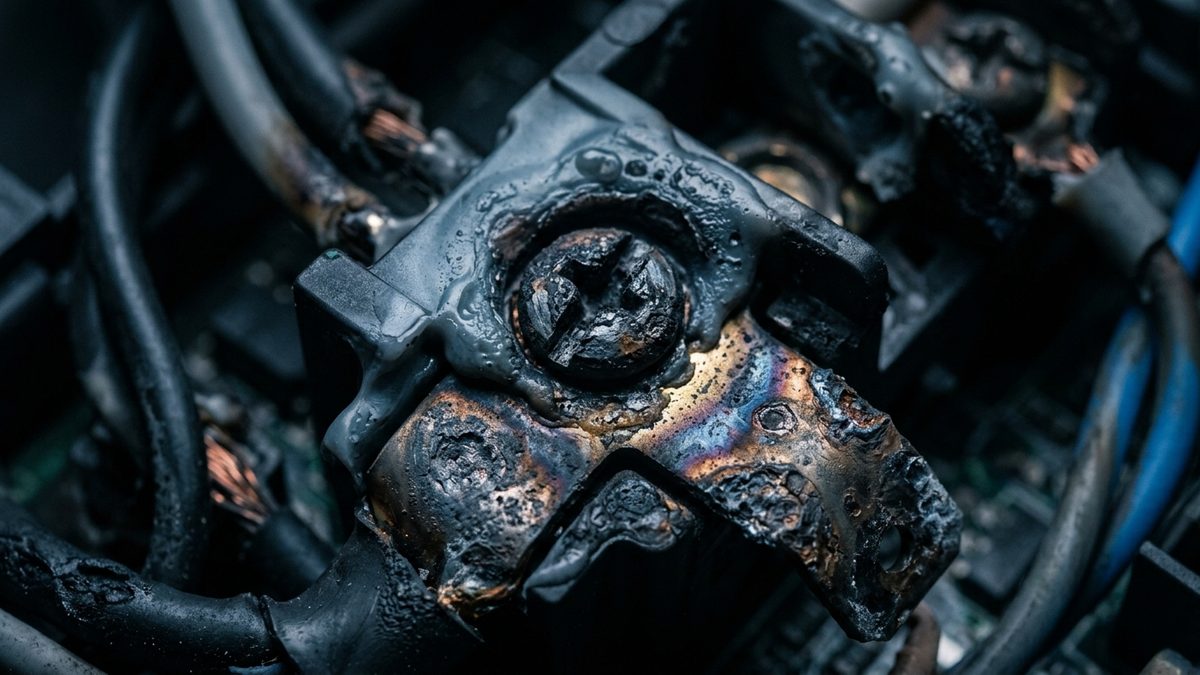
Fire & Explosion
When a receptacle is the origin and when it is a victim
Receptacles and terminations are both a common alleged origin and a common casualty. The physical differences between a connection that failed and one that was destroyed.

Electrical, Electronics & Batteries
“No Fault Found” Is Usually a Real Fault
Units that fail in the field and pass every bench test are rarely mysteries. They are usually cracked solder joints that conduct at room temperature and open under thermal or mechanical load.
Electrical, Electronics & Batteries
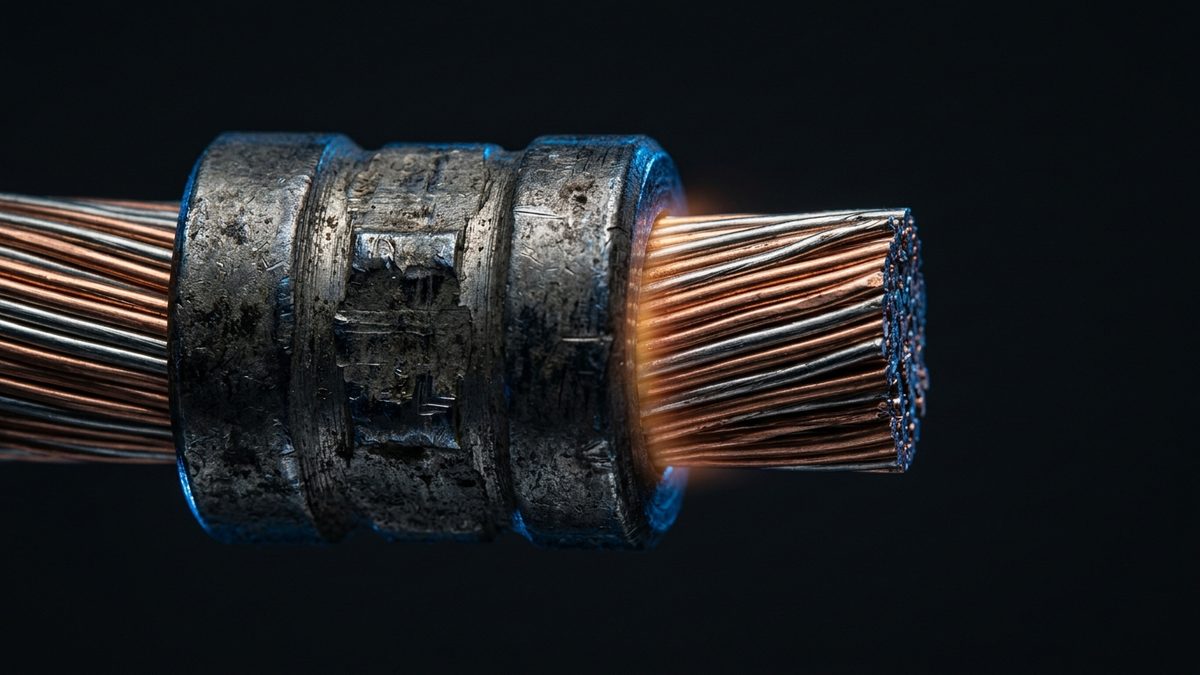
The Glowing Connection: How a Loose Terminal Starts a Fire
A degrading connection can reach ignition temperature while drawing entirely normal current — which is why overcurrent protection never operates and why these fires are so often misattributed.
Electrical, Electronics & Batteries
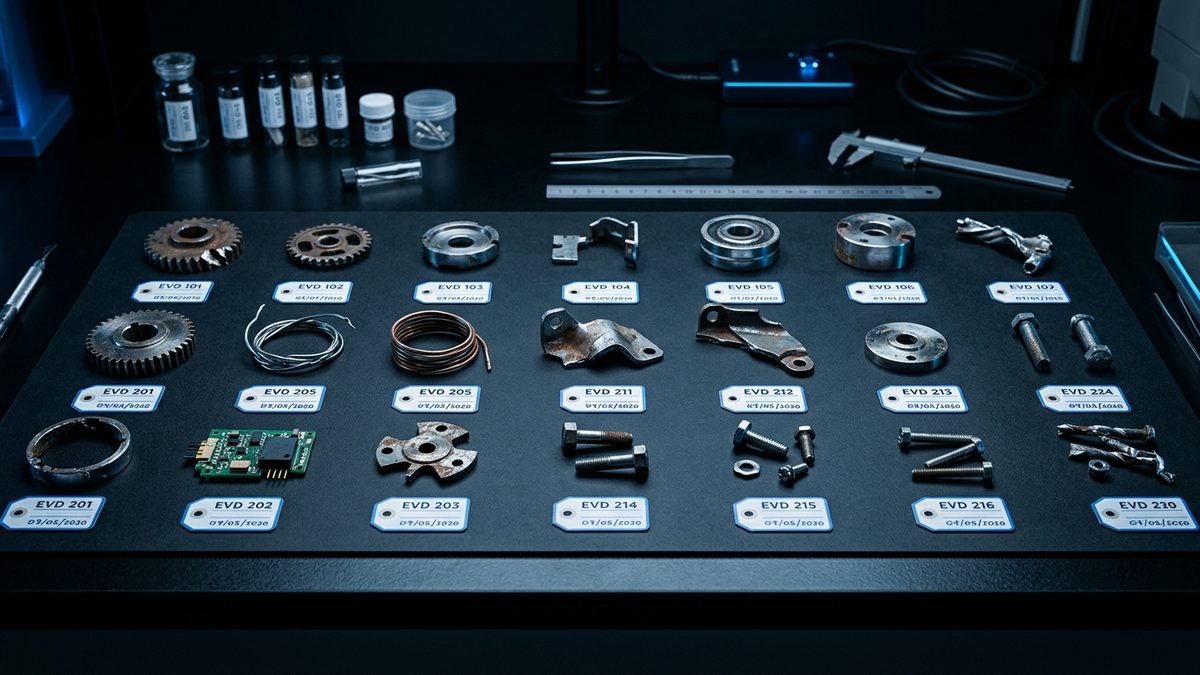
What to Preserve After an Electrical Failure
Electrical failures are unusually good at destroying their own evidence — and the routine, well-intentioned response to an incident destroys most of what remains. A short field guide for counsel and site managers.

Electrical, Electronics & Batteries
ESD or EOS? Reading the Difference Under a Microscope
Electrostatic discharge and electrical overstress leave visibly different damage. The distinction usually decides whether responsibility sits with a handling process or a circuit design.
Electrical, Electronics & Batteries
When the Arc Flash Injury Is Worse Than the Calculation
Incident energy is calculated under IEEE 1584 from assumptions about fault current, arc duration, and working distance. When the burn pattern does not match the number, the discrepancy is usually the most important evidence in the case.

Fire & Explosion
Testing dust as handled, not as supplied
Kst, MEC and MIE govern how a facility is protected. All of them shift with particle size and moisture — which is why the sample the values came from is often the weakest link.
Fire & Explosion
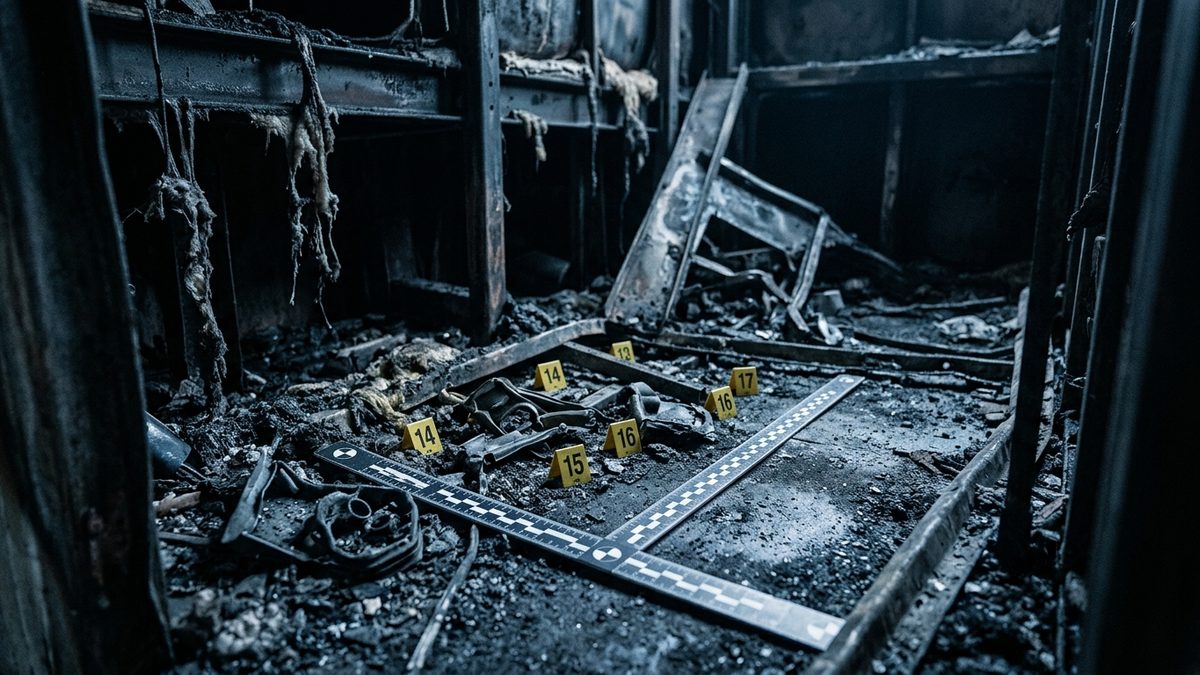
Documenting an electrical fire scene before the excavation begins
Most electrical fire evidence is destroyed during debris removal rather than by the fire itself. What has to be recorded, and in what order, for the analysis to remain possible.
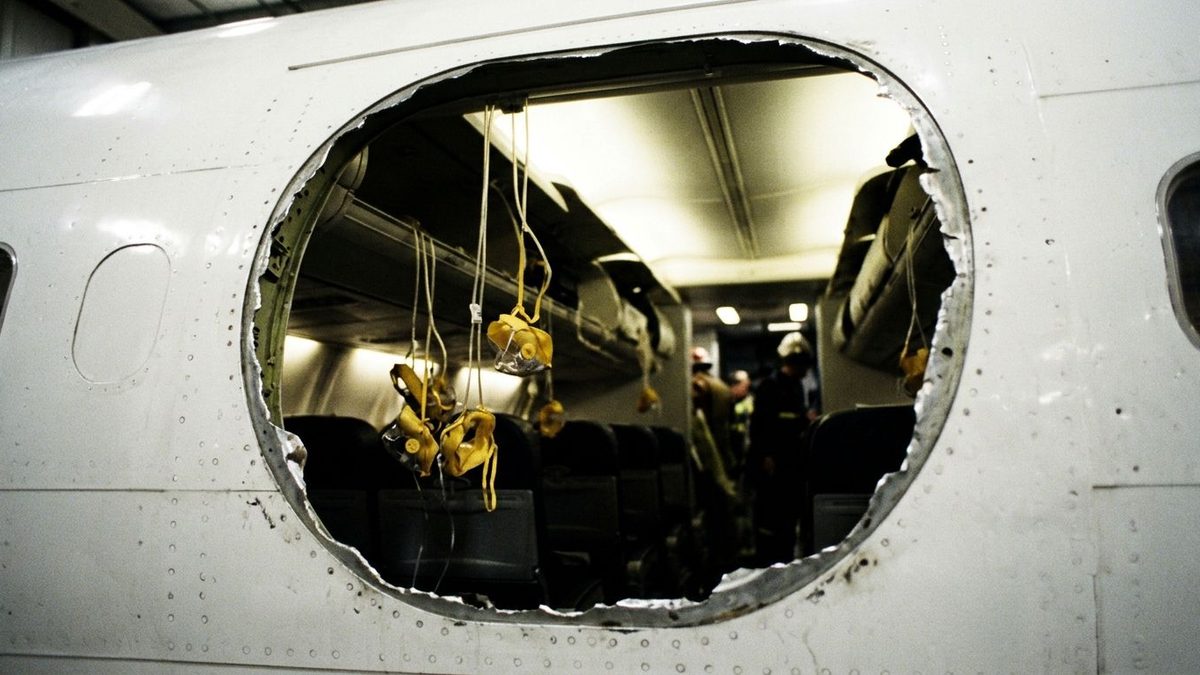
Accident Reconstruction
The door that wasn't bolted: Boeing's 737 Max 9 mid-air breach
On January 5, 2024, a door plug blew out of an Alaska Airlines 737 Max 9 at 16,000 feet. The NTSB found four bolts missing — not broken, missing. The case turned a manufacturing defect into a landmark investigation of Boeing's quality-control system.
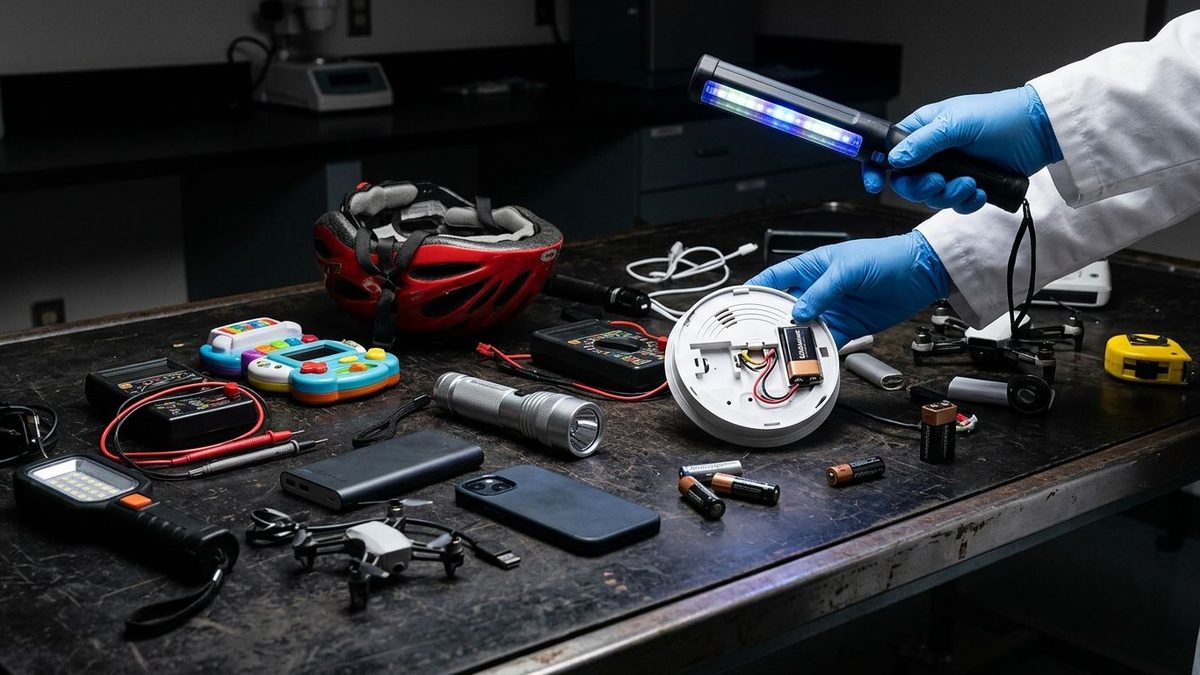
Electrical, Electronics & Batteries
2026 Recall Surge: CO Detectors, Lithium Insoles, and Helmet Failures
Smoke and CO detectors that fail to alert, heated insoles whose batteries ignite when switched off, and bicycle helmets failing impact-attenuation requirements — against a backdrop of more than 3,200 product recalls across major industries in 2025.
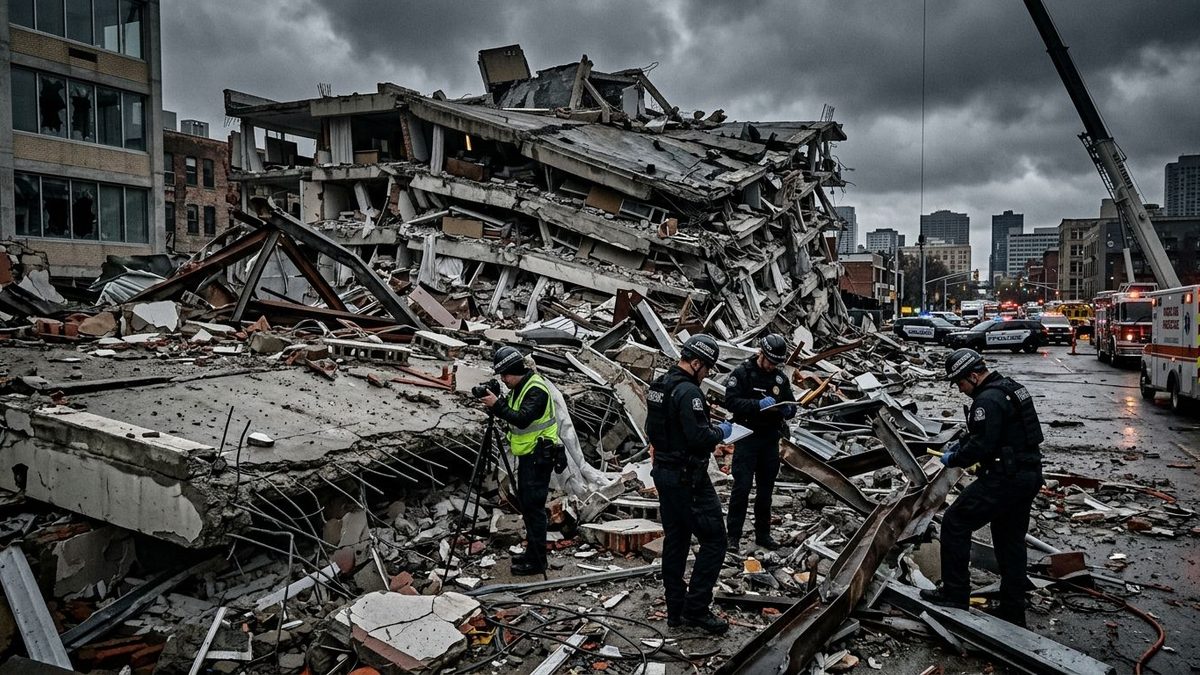
Structural & Civil
The Building That Fell Without a Trigger
At roughly 3:00 AM on May 24, 2026, a nine-story reinforced concrete condo-hotel in Angeles City, Philippines collapsed — with no earthquake, no typhoon, no external trigger. It is now the subject of full forensic structural investigation.
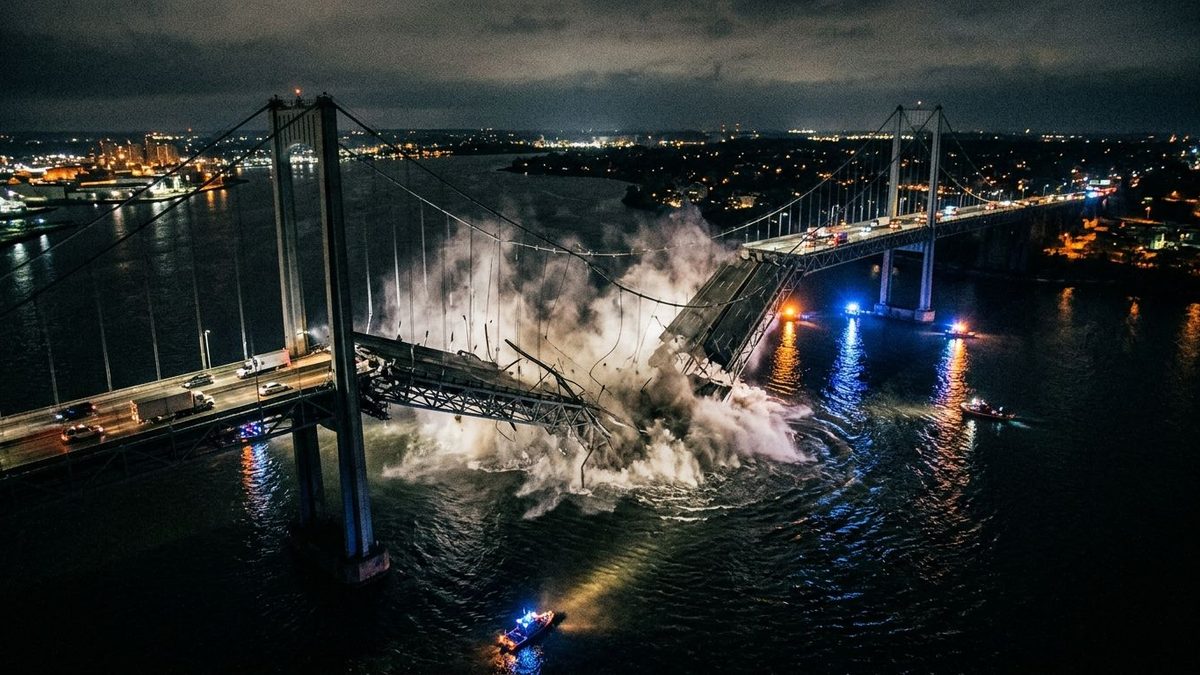
Structural & Civil
The Dali's power failure and the bridge that couldn't survive it
At 1:27 AM on March 26, 2024, the container ship Dali lost propulsion and struck the Francis Scott Key Bridge in Baltimore. The bridge — an open-deck truss design — collapsed in 13 seconds. Six construction workers died. The failure is now the most consequential structural-marine collision case in a generation.

Accident Reconstruction
AI Can Reconstruct Cockpit Voice Recordings from Published Spectrograms
The NTSB confirmed that cockpit voice recordings circulating online from the 2025 UPS Flight 2976 crash were reconstructed using AI from spectrogram images published in official investigation dockets — a developing complication for failure-investigation evidence integrity.

Accident Reconstruction
LaGuardia Runway Collision: A Systems Failure, Not a Material One
On March 22, 2026, a commercial jet collided with a fire truck at LaGuardia Airport, killing two pilots. The NTSB's preliminary report points to a systems gap: emergency vehicles without transponders that an automatic warning system couldn't track.